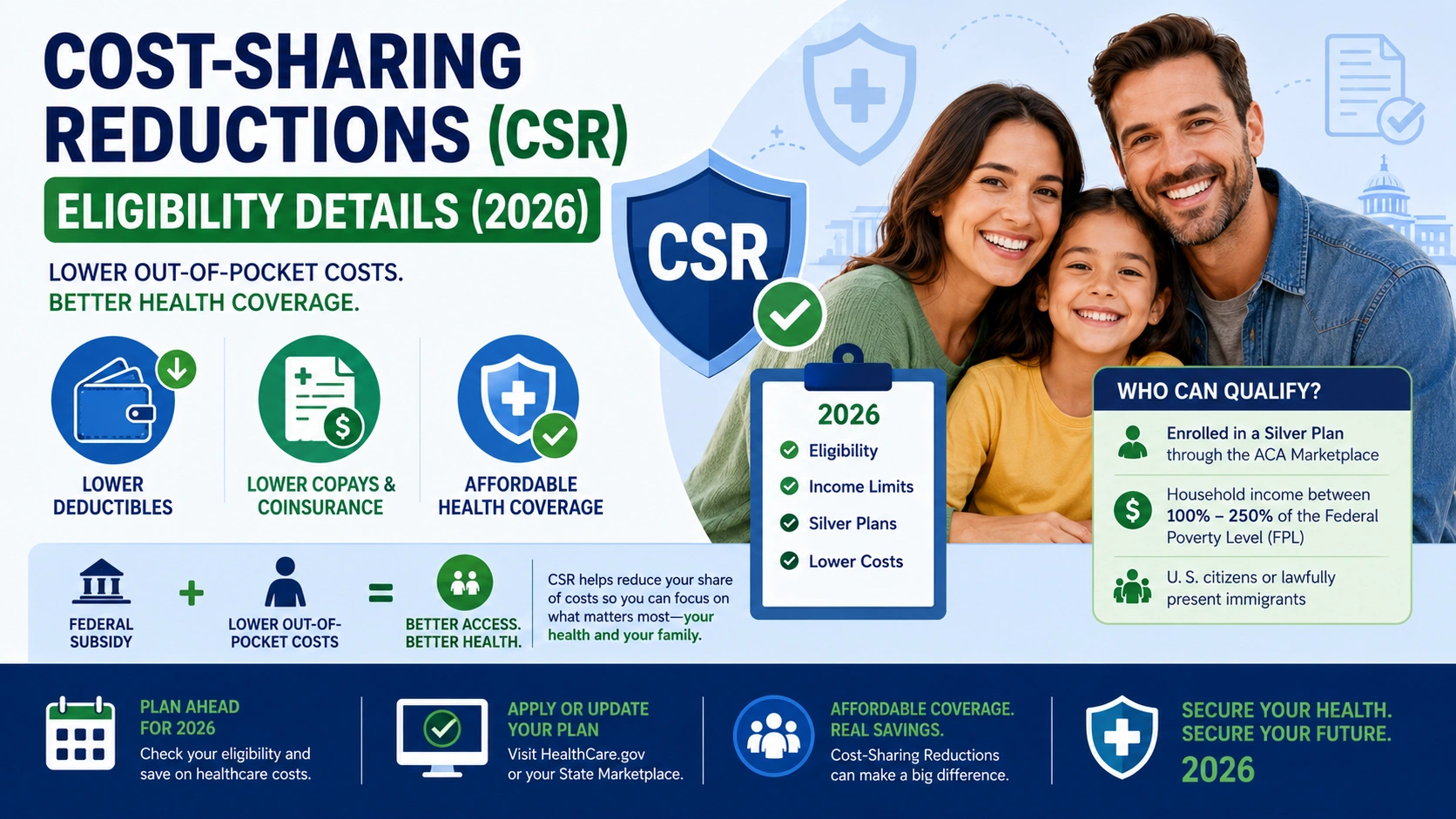
Many seniors and people with chronic health conditions struggle to manage medical costs, prescriptions, specialist visits, and long-term care needs. That’s why Medicare created Special Needs Plans (SNPs) — specialized health plans designed for people who need more focused healthcare support.
But many people still ask:
- Who is eligible for Medicare SNP?
- What is the qualification for Medicare?
- How do you qualify for a C-SNP?
- What are the benefits of a Medicare Special Needs Plan?
This guide explains Medicare SNPs in simple language so seniors and caregivers can better understand their options.
What Is a Medicare Special Needs Plan (SNP)?
A Medicare Special Needs Plan (SNP) is a special type of Medicare Advantage plan created for people with:
- Chronic illnesses
- Certain disabilities
- Low income
- Institutional or nursing home care needs
These plans provide:
- Coordinated healthcare
- Specialized provider networks
- Prescription drug coverage
- Additional support services
SNPs are regulated by Centers for Medicare & Medicaid Services.
What Are the Main Benefits of a Medicare SNP?
Special Needs Plans are designed to simplify healthcare for people with more complex medical or financial needs.
1. Coordinated Medical Care
One major benefit is coordinated treatment between:
- Primary care doctors
- Specialists
- Hospitals
- Pharmacies
- Care managers
This helps reduce:
- Duplicate testing
- Medication conflicts
- Confusing medical bills
2. Prescription Drug Coverage Included
Most SNPs include:
- Medicare Part D prescription drug coverage
This helps lower:
- Medication costs
- Copays
- Out-of-pocket expenses
Many plans also include formularies tailored to chronic illnesses.
3. Extra Benefits Beyond Original Medicare
Depending on the plan and state, SNPs may include:
- Dental care
- Vision exams
- Hearing aids
- Transportation services
- Fitness programs
- Telehealth services
- Meal assistance after hospitalization
These benefits are often valuable for seniors managing ongoing health problems.
4. Lower Healthcare Costs
Some SNPs reduce:
- Deductibles
- Copays
- Coinsurance
For dual eligible individuals, Medicaid may help cover many remaining costs.
5. Specialized Chronic Condition Support
Certain SNPs focus specifically on chronic diseases such as:
- Diabetes
- Heart disease
- Chronic lung disease
- ESRD (kidney failure)
- Dementia
- HIV/AIDS
These plans may provide:
- Disease management programs
- Specialized provider networks
- Medication monitoring
- Preventive care coordination
6. Personalized Care Management
Many SNP members receive access to:
- Nurse coordinators
- Case managers
- Care planning teams
This can help patients:
- Schedule appointments
- Understand medications
- Avoid hospital readmissions
- Manage multiple health conditions
Types of Medicare Special Needs Plans
There are three major SNP categories.
1. D-SNP (Dual Eligible Special Needs Plan)
Who Is Eligible for D-SNP?
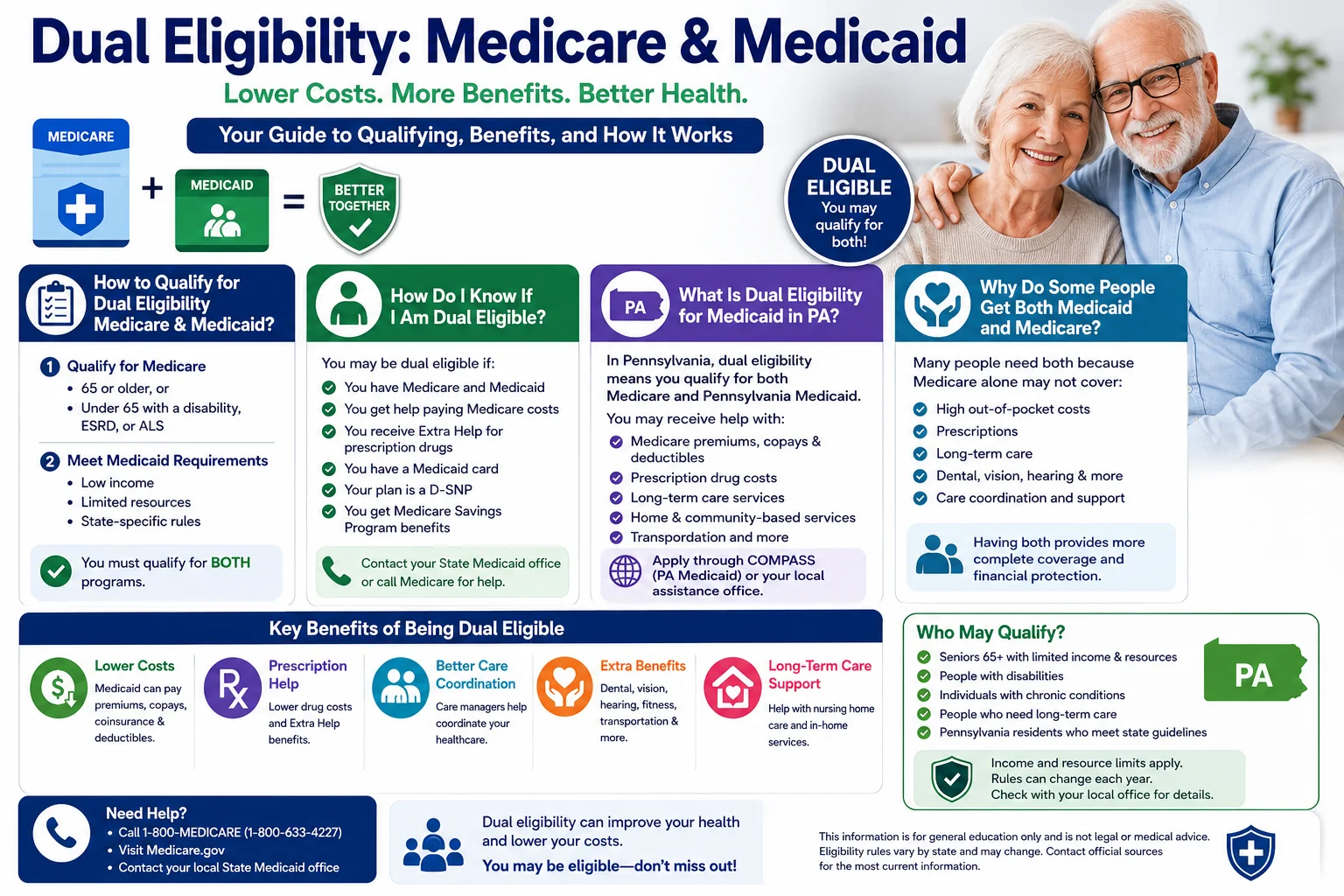
D-SNPs are for people who qualify for both:
- Medicare
- Medicaid
This is called dual eligibility.
D-SNP Eligibility Requirements
Typically, individuals must:
- Be enrolled in Medicare Part A and Part B
- Meet Medicaid eligibility requirements in their state
D-SNP Benefits
- Lower healthcare costs
- Coordinated Medicare and Medicaid services
- Prescription drug coverage
- Additional support services
2. C-SNP (Chronic Condition Special Needs Plan)
What Is a C-SNP?
C-SNPs are designed for people with specific chronic medical conditions.
Medicare C-SNP Qualifications
To qualify, a person must have an approved chronic condition such as:
- Diabetes
- Chronic heart failure
- Cardiovascular disorders
- Chronic lung disease
- ESRD
- Certain autoimmune disorders
A doctor usually confirms eligibility.
C-SNP Benefits
- Specialized treatment coordination
- Disease-focused provider networks
- Medication management
- Targeted preventive care
3. I-SNP (Institutional Special Needs Plan)
I-SNPs are designed for people who:
- Live in nursing homes
- Require long-term institutional care
- Need equivalent home-based nursing care
These plans focus on:
- Long-term healthcare coordination
- Reduced hospitalizations
- Ongoing medical supervision
Who Is Eligible for Medicare SNP?
Eligibility depends on the SNP type.
General Medicare Requirements
Usually, individuals must:
- Be enrolled in Medicare Part A and Part B
- Live within the plan’s service area
Additional requirements apply depending on the SNP category.
What Is the Qualification for Medicare?
Most people qualify for Medicare if they:
- Are age 65 or older
- Have certain disabilities
- Receive SSDI benefits for 24 months
- Have ESRD or ALS
Who Can Apply for SNP?
People may apply if they:
- Meet Medicare eligibility rules
- Fit into one of the SNP categories
- Live where the plan is offered
Availability varies by state and county.
How to Qualify for a C-SNP
To qualify for a Chronic Condition SNP:
- Enroll in Medicare Part A and B
- Receive diagnosis confirmation for a qualifying condition
- Live in the plan’s coverage area
Some plans may require provider documentation.
Medicare SNP Qualifications PDF
Many insurance companies and Medicare resources provide downloadable eligibility guides and PDFs explaining:
- SNP categories
- Income limits
- Chronic condition requirements
- Enrollment periods
Official Medicare Resource
Medicare Special Needs Plans Information
Medicare Special Needs Plans for Seniors
Seniors often benefit from SNPs because these plans may:
- Simplify complex healthcare needs
- Lower prescription costs
- Improve care coordination
- Offer extra non-medical services
For older adults with multiple conditions, SNPs may reduce healthcare stress significantly.
Best SNP Plans by State
The “best” SNP plan depends on:
- Medical conditions
- Prescription medications
- Local provider networks
- State Medicaid rules
- Monthly costs
Some states have stronger SNP availability than others.
Popular providers may include:
- UnitedHealthcare
- Humana
- Aetna
- Blue Cross Blue Shield
- Kaiser Permanente
Availability differs by ZIP code.
List of SNP Plans by State
SNP offerings vary widely across the United States.
Some states offer:
- Multiple D-SNP options
- Large chronic condition networks
- Extensive Medicaid coordination
Others may have fewer plan choices.
People can search available plans using the official Medicare plan finder.
Official Medicare Plan Finder
Advantages and Disadvantages of SNP Plans
Advantages
- Coordinated care
- Lower costs
- Extra benefits
- Specialized chronic disease support
- Prescription coverage included
Possible Disadvantages
- Limited provider networks
- Geographic restrictions
- Referral requirements
- Eligibility verification rules
Is a Medicare SNP Worth It?
For many people with:
- Chronic illnesses
- Limited income
- Complex healthcare needs
an SNP can provide:
- Better organization of care
- Financial relief
- Improved medication access
- Additional healthcare support
However, the right plan depends on individual medical needs and provider preferences.
Final Thoughts
Understanding the benefits of a Medicare Special Needs Plan can help seniors and eligible individuals make smarter healthcare decisions.
SNPs are designed to provide:
- More personalized care
- Better chronic disease management
- Lower healthcare expenses
- Extra support services
Whether someone qualifies for a D-SNP, C-SNP, or I-SNP, these plans can often improve healthcare access and reduce financial burden for people with greater medical needs.
Frequently Asked Questions
Does every Medicare Advantage plan include SNP benefits?
No. SNPs are special Medicare Advantage plans specifically designed for qualifying groups.
Can you switch SNP plans later?
Yes, depending on enrollment periods and eligibility changes.
Do SNP plans cover prescriptions?
Most SNPs include Medicare Part D drug coverage.
Are SNP plans free?
Some plans may have low or $0 premiums, but costs vary by provider and location.
Disclaimer:
This article is for educational purposes only and should not be considered legal, financial, or medical advice. Medicare rules and plan availability vary by state and may change annually. Always review official Medicare resources or speak with a licensed Medicare advisor before enrolling in a health plan.