Introduction
Ebola Virus Disease remains one of the deadliest infectious diseases in the world. The virus has caused repeated outbreaks across Africa for decades, including the devastating 2014 Ebola outbreak in West Africa and the ongoing Ebola outbreak 2026 affecting parts of Central Africa.
Health authorities including the World Health Organization and Centers for Disease Control and Prevention continue monitoring the situation closely because Ebola outbreaks can spread rapidly in areas with weak healthcare infrastructure.
This article explains:
- What Ebola is
- How Ebola spreads
- Symptoms of Ebola virus disease
- The 2014 Ebola epidemic outbreak
- Current Ebola outbreak 2026
- Congo Ebola outbreak updates
- Ebola precautions and prevention
- Travel safety advice
- Global outbreak response
What Is Ebola?
Ebola Virus Disease (EVD) is a severe viral infection caused by viruses from the Ebolavirus family. The disease affects humans and certain animals, especially primates and fruit bats.
The virus was first discovered in 1976 near the Ebola River in the Democratic Republic of the Congo.
Ebola is dangerous because:
- It spreads through direct contact
- It can cause severe bleeding and organ failure
- Fatality rates can be very high
- Outbreaks can overwhelm healthcare systems quickly
How Ebola Spreads
Understanding transmission is critical during any Ebola outbreak.
Ebola Is NOT Mainly Airborne
Unlike COVID-19 or influenza, Ebola does not usually spread through casual airborne transmission in normal daily interactions.
The virus spreads mainly through direct contact with infected bodily fluids.
Main Ways Ebola Spreads
1. Contact With Bodily Fluids
Ebola spreads through infected:
- Blood
- Vomit
- Saliva
- Sweat
- Urine
- Diarrhea
- Breast milk
- Semen
Even small exposures can transmit infection.
2. Contact With Contaminated Surfaces
The virus may spread through contaminated:
- Needles
- Syringes
- Bedding
- Medical equipment
- Clothing
- Hospital surfaces
Healthcare facilities without proper sterilization are high-risk environments.
3. Human-to-Human Transmission
Close physical contact with infected people greatly increases risk.
Family caregivers and healthcare workers are especially vulnerable during outbreaks.
Traditional burial rituals involving touching the deceased have contributed to major transmission events.
4. Animal-to-Human Transmission
Scientists believe some outbreaks begin after exposure to infected wildlife such as:
- Fruit bats
- Chimpanzees
- Gorillas
- Forest antelope
- Avoid Bushmeat and Wild Animals
- Avoid:
- Handling dead wildlife
- Eating improperly cooked bushmeat
- Contact with bats or primates
Handling or eating infected bushmeat may trigger outbreaks.
Isolation and Contact Tracing
Rapid isolation of infected individuals helps stop outbreaks early.
Contact tracing identifies people exposed to confirmed cases.
Symptoms of Ebola Virus Disease
Symptoms usually appear 2–21 days after exposure.
Early Symptoms
- Fever
- Severe fatigue
- Muscle pain
- Headache
- Sore throat
Advanced Symptoms
- Vomiting
- Diarrhea
- Rash
- Internal bleeding
- Organ failure
- Shock
Without treatment, Ebola can rapidly become fatal.
The 2014 Ebola Outbreak: Largest Ebola Epidemic in History
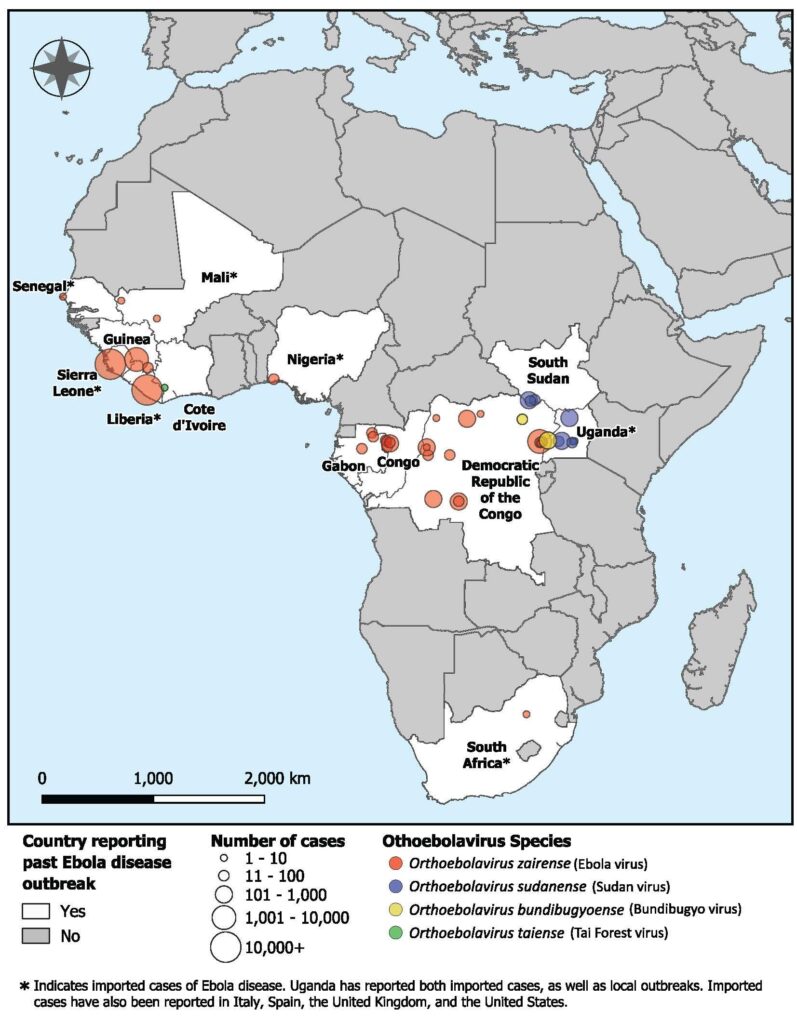
The 2014 Ebola outbreak in West Africa became the deadliest Ebola epidemic ever recorded.
Countries Most Affected
- Guinea
- Liberia
- Sierra Leone
The outbreak later affected several additional countries through imported cases.
Impact of the 2014 Ebola Epidemic Outbreak
The outbreak caused:
- More than 28,000 reported cases
- Over 11,000 deaths
- Major healthcare collapse
- Economic disruption
- Global panic
Healthcare workers died in large numbers due to inadequate protective equipment and delayed response systems.
Ebola Outbreak in the United States
The Ebola outbreak in the United States remained limited during the 2014 crisis.
Imported cases occurred after infected travelers arrived from West Africa.
The response included:
- Airport health screening
- Isolation procedures
- CDC emergency operations
- Contact tracing
The U.S. contained spread successfully through aggressive infection-control measures.
Congo Ebola Outbreak and Ebola Outbreak DRC
The Democratic Republic of the Congo has experienced multiple Ebola outbreaks over the years.
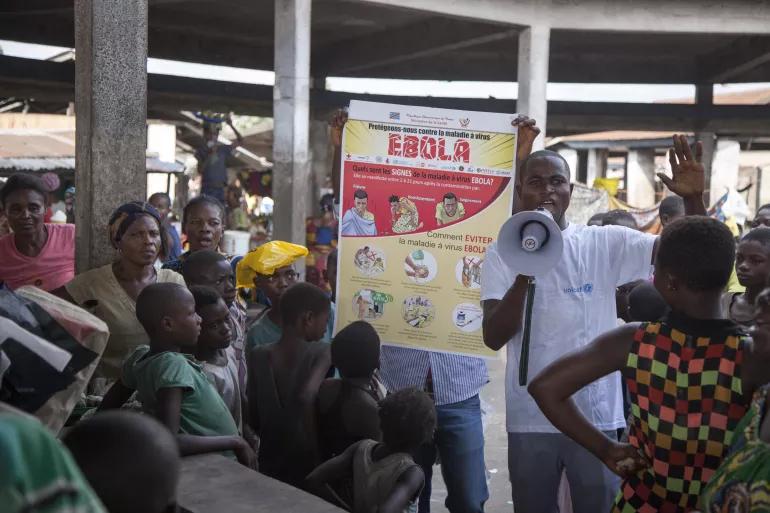
The Congo Ebola outbreak between 2018 and 2020 became especially difficult because violence and armed conflict disrupted healthcare operations.
Challenges included:
- Attacks on healthcare workers
- Public mistrust
- Remote outbreak locations
- Population displacement
Vaccination campaigns later helped reduce transmission significantly.
Current Ebola Outbreak 2026
Ebola Outbreak 2026 Overview
The current Ebola outbreak 2026 is centered in parts of Central Africa, especially eastern DRC and neighboring Uganda.
Health agencies are monitoring:
- Cross-border spread
- Community transmission
- Imported cases
- Healthcare worker infectionsWhy the 2026 Outbreak Is Concerning
Officials are particularly concerned because:
Some affected areas have limited healthcare access
Conflict zones complicate containment
Population movement increases spread risk
Certain Ebola strains have limited vaccine coverage
The WHO has increased emergency surveillance and response coordination across the region.
Ebola Precautions and Prevention
Preventing Ebola requires strict infection-control practices.
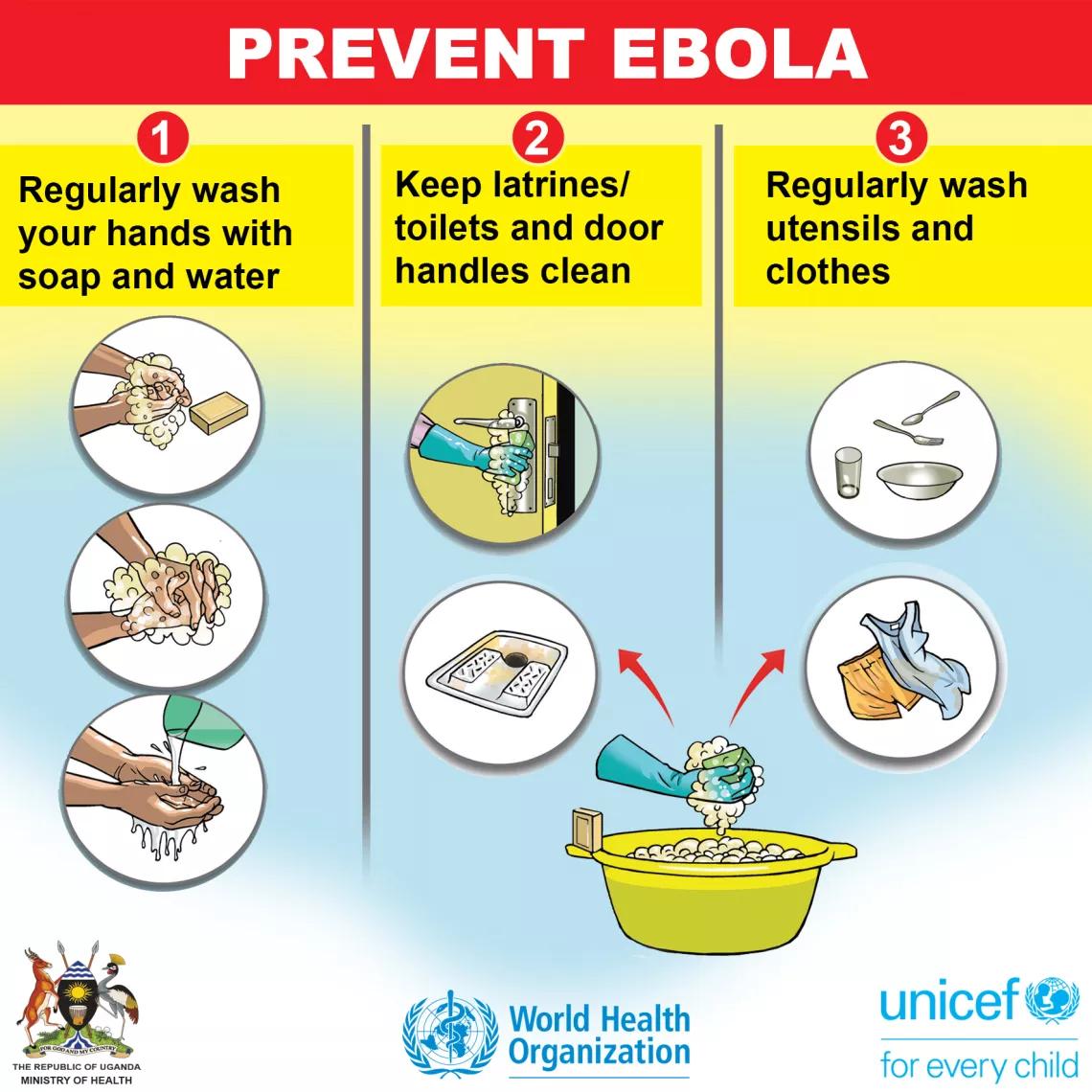
1. Frequent Hand Hygiene
Wash hands regularly with:
Soap and water
Alcohol-based sanitizer
Especially after touching public surfaces or caring for sick individuals.
2. Avoid Contact With Bodily Fluids
Do not touch:
Blood
Vomit
Saliva
Sweat
Used medical materials
Avoid direct contact with symptomatic individuals.
3. Use Protective Equipment
Healthcare workers should wear:
Gloves
Face shields
Masks
Protective gowns
Eye protection
Proper removal of protective gear is critical.
4. Safe Burial Practices
Special burial teams use protective measures to prevent transmission from deceased patients.
5. Avoid Bushmeat and Wild Animals
Avoid:
Handling dead wildlife
Eating improperly cooked bushmeat
Contact with bats or primates
6. Isolation and Contact Tracing
Rapid isolation of infected individuals helps stop outbreaks early.
Contact tracing identifies people exposed to confirmed cases. - Travel Advisory for Ebola-Affected Regions
Travelers should:
Monitor WHO and CDC updates
Avoid unnecessary travel during major outbreaks
Practice strict hygiene
Avoid healthcare facilities unless necessary
Monitor symptoms after returning
Travelers developing symptoms should seek medical attention immediately and report travel history.
Ebola Vaccines and Treatment
There is no simple cure for Ebola, but supportive care greatly improves survival.
Treatment includes:
IV fluids
Oxygen support
Electrolyte correction
Blood pressure management
Treatment of secondary infections
Vaccines developed after the 2014 outbreak have improved outbreak control, especially for certain Ebola strains.
WHO and CDC Response
The WHO, CDC, Africa CDC, and local health ministries coordinate:
Surveillance
Laboratory testing
Vaccination campaigns
Border screening
Emergency response teams
Lessons from the 2014 Ebola epidemic improved global preparedness significantly.
Why Ebola Remains a Global Threat
Ebola remains dangerous because:
Mortality rates can be extremely high
Outbreaks may occur in remote areas
Weak healthcare systems increase spread
Wildlife reservoirs continue to exist
Climate change and deforestation may also increase future outbreak risks.
Conclusion
The Ebola outbreak 2026 shows that Ebola Virus Disease continues to pose a major public health threat. While global preparedness has improved since the catastrophic 2014 Ebola outbreak, outbreaks in Central Africa remain difficult to control due to conflict, limited healthcare resources, and rapid population movement.
Understanding:
how Ebola spreads,
recognizing symptoms early,
following precautions,
and supporting rapid outbreak response
are essential steps for preventing future Ebola epidemics and protecting global health.