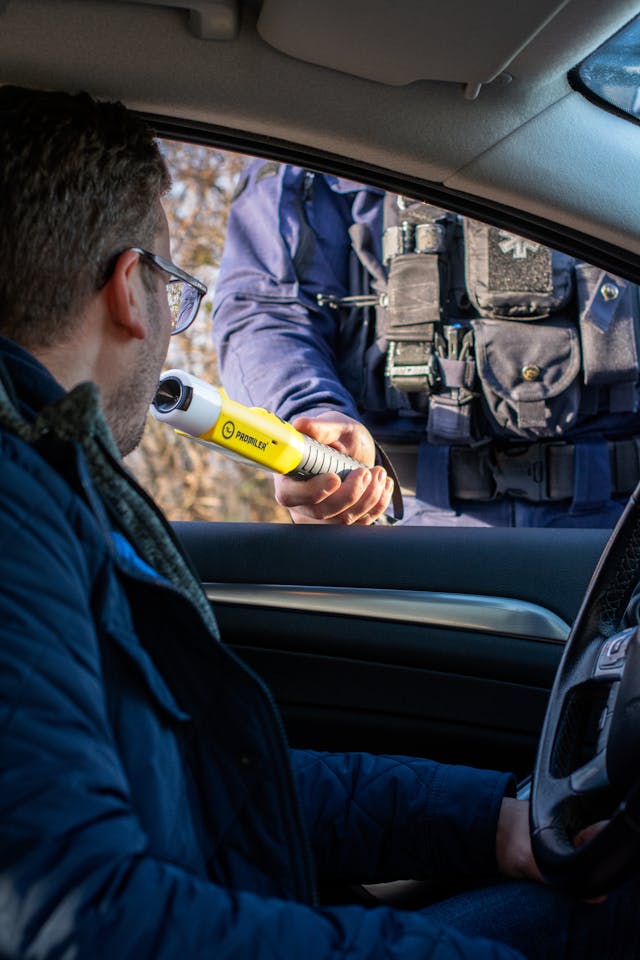
You’ve seen it in movies and on the news: a police officer asks a driver to breathe into a small machine. If the lights flash or a number appears above a certain limit, the driver is in trouble. But have you ever wondered what’s actually happening inside that plastic tube or digital device?
It’s not magic. It’s chemistry. Specifically, a chemical reaction involving a very colorful substance called potassium dichromate.
Let’s break down the science into simple, bite-sized pieces.
The Big Question: Why Can You Measure Alcohol on Your Breath?
First, a quick biology lesson. When you drink an alcoholic beverage (beer, wine, whiskey), the alcohol (called ethanol) is absorbed from your stomach and intestines into your blood.
From there, your blood travels to your lungs. As blood passes through the tiny air sacs in your lungs, some of the alcohol molecules jump from the blood into the air in your lungs. When you exhale, those alcohol molecules come out with your breath.
Key Fact: There is a direct, fixed relationship between the amount of alcohol in your blood and the amount in your breath. For every 2,100 molecules of alcohol in your blood, there is about 1 molecule in your breath. This is called the “2100:1 partition ratio.” By measuring your breath, a machine can mathematically calculate your Blood Alcohol Concentration (BAC).
The Core Chemical: Potassium Dichromate (The “Traffic Light” Chemical)
For over 70 years, the most common chemical used in basic breath testers (often called Breathalyzers, which is actually a brand name) is potassium dichromate.
Here’s what you need to know about this chemical:
- Color: It is bright orange.
- Superpower: It loves to react with alcohol. It is a strong “oxidizing agent,” which is just a fancy way of saying it steals electrons from alcohol, breaking the alcohol down.
The Step-by-Step Magic: How the Test Works
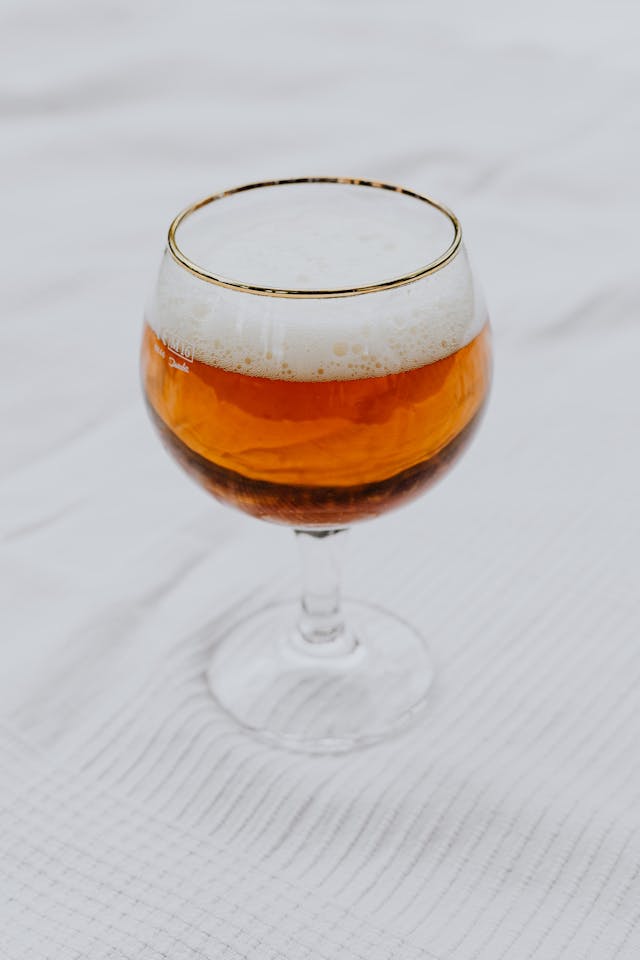
The classic breathalyzer contains a small glass tube or a vial filled with orange potassium dichromate crystals mixed with other chemicals (sulfuric acid and silver nitrate, which act as helpers to speed up the reaction).
Here is what happens, step-by-step:
Step 1: The Blow
The driver blows into the machine. Their breath, containing alcohol molecules, passes through the orange crystals.
Step 2: The Reaction
The alcohol molecules (ethanol) collide with the orange potassium dichromate. The dichromate immediately attacks the alcohol and breaks it down into a different substance called acetic acid (similar to vinegar). In the process, the dichromate gets “used up” and changes form.
Step 3: The Color Change
Here’s the visual magic. When potassium dichromate reacts with alcohol, its molecular structure changes. It turns from orange to greenish-blue (chromium ions).
Step 4: The Measurement
A light sensor inside the machine looks at the orange tube. It measures how much of the orange color has disappeared and how much green has appeared.
- No alcohol: The tube stays bright orange.
- A little alcohol: The tube turns a little green.
- A lot of alcohol: The tube turns completely green.
The more alcohol in your breath, the more dichromate gets used up, and the greener the result. The machine’s computer converts this color change into a number on the screen (e.g., 0.08% BAC).
A Simple Analogy: The Sponge Bucket
Think of the orange potassium dichromate like a dry white sponge in a bucket. Imagine you pour red paint (alcohol) into the bucket.
- The sponge soaks up the red paint.
- As the sponge soaks it up, the white sponge turns pink.
- The more red paint you pour, the darker pink the sponge becomes.
In the breathalyzer, the breath provides the “red paint” (alcohol), and the “sponge” (potassium dichromate) changes from orange to green based on how much alcohol it absorbs.
Important: Newer, Fancier Methods (Fuel Cell Sensors)
While the orange-to-green chemical test is the classic method, many modern police breath testers use a different technology called a Fuel Cell Sensor.
How a fuel cell works:
- Your breath passes over a platinum electrode.
- The platinum acts like a cold flame. It instantly burns the alcohol molecules on its surface.
- This “burning” reaction produces a tiny amount of electricity. (Yes, you are basically making a battery with your breath!)
- The more alcohol in your breath, the more electricity is generated.
- The machine measures the electrical current and converts it to a BAC number.
Fuel cells are preferred today because they are more specific to alcohol (they don’t react with other things like acetone, which diabetics might have on their breath) and don’t need to be refilled with orange chemicals after every test.
Can You Fool the Test?
In short, no. These chemical reactions are very reliable. Here’s why common myths are false:
- Mouthwash or breath spray: These often contain alcohol. If you use them right before a test, they will cause a positive result. However, officers watch you for 15-20 minutes before a test to ensure you don’t put anything in your mouth. Also, the alcohol from mouthwash disappears from your mouth quickly.
- Copper pennies or batteries: Putting metal in your mouth does nothing. The machine measures chemicals in your deep lung air, not your mouth.
- Eating an onion or garlic: These might change your breath odor, but they do not react with potassium dichromate or fuel cells. They will not affect the chemical reading.
Summary Table: The Main Chemical
| Feature | The Classic Breathalyzer |
|---|---|
| Primary Chemical | Potassium Dichromate |
| Starting Color | Bright Orange |
| Ending Color (with alcohol) | Greenish-Blue |
| What is measured? | The amount of color change from orange to green |
| Is it specific to alcohol? | Mostly yes, but can rarely react with acetone (found in diabetics) |
The Bottom Line
The simple breath test for alcohol is a brilliant example of chemistry in action. Whether it’s the classic potassium dichromate turning from orange to green, or a modern fuel cell generating electricity, the principle is the same: alcohol from your breath drives a chemical reaction. By measuring how much of that reaction occurs, police can accurately (and non-invasively) determine how much a person has had to drink.
So next time you see a traffic stop, you’ll know there’s a colorful, clever chemical reaction happening inside that handheld device. Don’t drink and drive—not just because it’s illegal, but because chemistry will always tell the truth.
1. What chemical is used to detect alcohol in breath?
The most famous traditional chemical is potassium dichromate (which turns from orange to green when it reacts with alcohol).
Modern breath testers (fuel cell devices) don’t use a visual chemical color change. Instead, they use platinum metal in a fuel cell sensor to burn the alcohol and generate electricity.
2. How does an alcohol breath tester work?
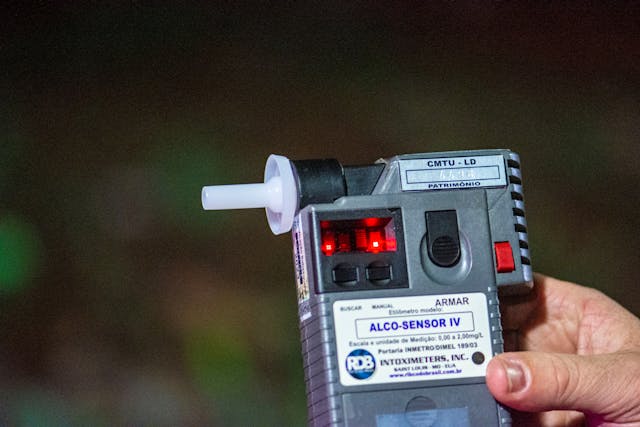
There are two common methods:
Method 1: The Classic Chemical Test (Potassium Dichromate)
- You blow into a tube containing orange potassium dichromate crystals.
- Alcohol in your breath reacts with the dichromate.
- The dichromate turns greenish-blue.
- A light sensor measures how much color change occurs. More alcohol = more green = higher BAC reading.
Method 2: The Modern Fuel Cell Test (Platinum)
- Your breath passes over a platinum electrode.
- The platinum burns (oxidizes) the alcohol without a flame.
- This burning reaction produces a tiny electric current.
- The machine measures the current. More alcohol = more electricity = higher BAC reading.
3. Can GERD affect a breathalyzer?
Yes, possibly. But not in the way you might hope.
- GERD (Gastroesophageal Reflux Disease) causes stomach acid and stomach contents to rise up into your esophagus and mouth.
- If you have recently drunk alcohol, your stomach contains unabsorbed alcohol. A GERD-related burp or reflux event can bring stomach alcohol (not lung alcohol) into your mouth.
- This mouth alcohol gives a falsely high breathalyzer reading because the machine measures alcohol from your mouth, not your deep lungs.
- However: Police are trained to watch for this. The 15-20 minute observation period (see below) helps ensure mouth alcohol has cleared. Some people with severe GERD still argue this affects results.
4. What chemicals are used to test for alcohol?
Outside of breath testing, here are other chemicals used for alcohol testing:
| Test Type | Chemical Used | What Happens |
|---|---|---|
| Breath (classic) | Potassium dichromate | Orange → green |
| Breath (modern) | Platinum (in fuel cell) | Creates electric current |
| Blood test | Alcohol dehydrogenase (an enzyme) | Enzyme converts alcohol and produces a measurable color change |
| Urine test | Various enzymes & color reagents | Similar to blood tests |
| Saliva test | Alcohol oxidase | Produces a color change |
5. What is the 20 minute rule for alcohol?
The 20 minute rule is a standard procedure used by police before giving a breathalyzer test.
What it means:
The officer must observe you for 15-20 minutes before the test. During this time:
- You cannot put anything in your mouth (no food, drink, gum, mints, cigarettes, or vomit).
- You cannot burp or regurgitate.
Why? To clear any “mouth alcohol.” Alcohol left in your mouth from a recent drink, mouthwash, or a burp from your stomach will give a false high reading. After 15-20 minutes, this mouth alcohol naturally evaporates, leaving only the deep-lung alcohol that accurately reflects your blood alcohol level.
6. What are the first signs of alcohol gastritis?
Alcohol gastritis is stomach lining inflammation caused by drinking. Early signs include:
- Gnawing or burning pain in the upper belly (just below the ribs)
- Nausea or feeling queasy
- Bloating and belching
- Loss of appetite
- Feeling uncomfortably full after eating a small amount
- Vague stomach discomfort that comes and goes
These symptoms often appear within hours of heavy drinking or after weeks of regular drinking.
7. How do I know if alcohol has damaged my stomach?
Beyond the early signs above, more serious damage shows as:
- Vomiting, especially vomiting blood (red or looks like coffee grounds) – this is a medical emergency
- Black, tarry stools (digested blood) – another emergency sign
- Severe, persistent upper abdominal pain
- Unexplained weight loss
- Feeling very weak or dizzy (from internal bleeding)
If you have black stools or vomit blood, see a doctor immediately.
A doctor can diagnose stomach damage through:
- An endoscopy (camera down your throat to look at your stomach lining)
- Stool tests (to check for hidden blood)
- Blood tests (to check for anemia from blood loss)
8. Which alcohol is hardest on your stomach?
Generally, high-concentration alcohols and sugary mixers are hardest on the stomach.
| Alcohol Type | Why It’s Harsh |
|---|---|
| Hard liquor (whiskey, vodka, gin, rum) drunk straight | High alcohol concentration directly irritates and inflames the stomach lining |
| Sugary cocktails | Sugar + alcohol delays stomach emptying, causing more irritation and nausea |
| Red wine | High in tannins and histamines, which can trigger stomach issues in sensitive people |
| Beer (especially cheap, high-carb beer) | Carbonation expands the stomach and can worsen reflux; gluten may irritate some |
Least harsh: Clear liquors with water or soda water (e.g., vodka soda) in small amounts, but no alcohol is truly “gentle” on an inflamed stomach.
9. Can you reverse alcohol gastritis?
Yes, in most cases – if caught early and you stop drinking.
- Acute alcohol gastritis (short-term, after a single heavy drinking episode): Often goes away in a few days with abstinence, bland food, and sometimes antacids.
- Chronic alcohol gastritis (from months or years of drinking): Partially reversible. If you stop drinking completely, the stomach lining can heal over weeks to months. However, severe damage (ulcers, bleeding, atrophy of the stomach lining) may be permanent.
To reverse it:
- Stop drinking alcohol completely (at least until healed).
- Eat a bland, non-spicy, low-acid diet.
- Your doctor may prescribe acid-reducing medications (PPIs like omeprazole) or stomach protectants (sucralfate).
- Treat any underlying H. pylori infection if present.
Warning: If you continue drinking despite gastritis, you risk developing stomach ulcers, internal bleeding, and even stomach cancer over many years.
Final Takeaway
The breathalyzer’s chemistry (potassium dichromate or platinum) is clever and reliable. But your own body’s chemistry – especially your stomach – can interfere with results (via GERD) and more importantly, can be severely damaged by long-term alcohol use. Listen to your stomach’s early warning signs before permanent damage sets in.