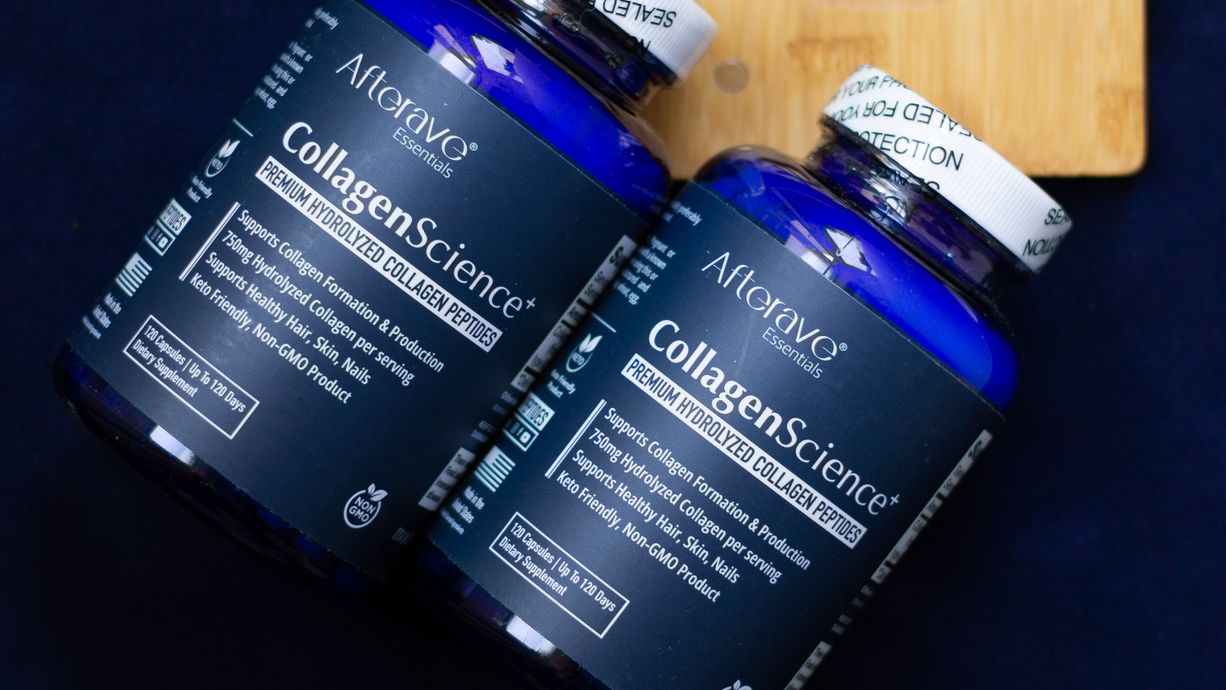
The effects of collagen on bones are not like those of a painkiller—you won’t feel them instantly. To truly know if it’s working, you need to look beyond mere subjective feelings and focus on objective indicators that reveal what’s happening inside your skeletal system.
You can assess its effectiveness through three distinct levels:
📊 Level 1: The Most Scientific Evidence — Medical Tests
This is the most reliable approach, primarily involving DEXA scans and blood biomarker analysis.
-
DEXA Scan (Dual-Energy X-ray Absorptiometry): This is the gold standard for measuring Bone Mineral Density (BMD). Clinical studies have confirmed that consistent supplementation with specific collagen peptides can significantly increase BMD in the spine and femoral neck. For example, a 12-month trial on women with osteopenia showed that taking 5 grams of specific collagen peptides daily led to a significant increase in BMD.
⚠️ Important Note: Changes in BMD are a slow process. It is not recommended to repeat DEXA scans within a short period (e.g., 3–6 months) to evaluate efficacy. It typically takes 1–2 years to see measurable changes. A lack of short-term numerical change does not mean the collagen isn’t working.
-
Blood Tests (Bone Turnover Markers): These are earlier and more sensitive indicators of whether collagen is working. Bone tissue is constantly undergoing “destruction” (resorption) and “rebuilding” (formation). Blood markers reflect this dynamic balance. Collagen’s effectiveness is shown through two key markers:
- P1NP (Procollagen type I N-terminal propeptide): A sensitive marker of bone formation. An increase indicates that new collagen and bone matrix are being generated.
- CTX-1 (C-terminal telopeptide of type I collagen): A marker of bone resorption (breakdown). A decrease indicates that the rate of bone degradation is slowing down.
💪 Level 2: Subjective Experience — Physical Sensations
While subtle internal changes are hard to feel, your body might send you some positive signals:
- Improved Joint Comfort: Bone health and joint function are closely linked. You may notice reduced stiffness in your joints during daily activities and improved flexibility.
- Faster Recovery After Exercise: If you are active, you might feel that muscle and joint soreness after workouts diminishes more quickly than before.
- Stronger Nails and Hair: Collagen is a key component of nails and hair. Some people notice their nails become less brittle and their hair appears shinier and healthier.
⏳ Level 3: Realistic Expectations — The Timeline
Understanding the timeline of action helps you set realistic expectations and prevents you from giving up prematurely due to a lack of immediate results.
- Changes in Bone Turnover Markers (Blood Tests): 3 to 6 months. This is the earliest point at which medical testing can capture measurable shifts in bone metabolism. One study showed that collagen supplementation, combined with calcium and vitamin D, demonstrated improvements in bone turnover markers as early as 3 months.
- Changes in Bone Mineral Density (DEXA): 1 to 2 years or longer. Significant increases in BMD take more time. Research indicates that 12 months of consistent supplementation is often required to see clinically significant improvements in BMD. A longer-term study spanning 4 years even found that daily collagen supplementation led to sustained and significant increases in bone density.
💎 Summary: Putting It All Together
The most reliable way to determine if collagen is positively impacting your bone density is to combine “medical testing” with “physical awareness”:
- Establish a Baseline: Before starting collagen, get a baseline blood test for bone turnover markers (P1NP, CTX-1) if possible.
- Be Patient and Consistent: Stick to your daily supplementation routine and maintain a healthy lifestyle (including weight-bearing exercise and a balanced diet).
- Retest Regularly: Retest your blood markers in 3–6 months to look for positive changes. Use DEXA scans as a long-term (1–2 years or more) assessment tool.
- Listen to Your Body: Note improvements in joint comfort, recovery times, and nail/hair health as secondary supportive indicators.
By combining scientific data with patient observation, you can clearly track whether collagen is effectively building a stronger foundation for your skeletal health.
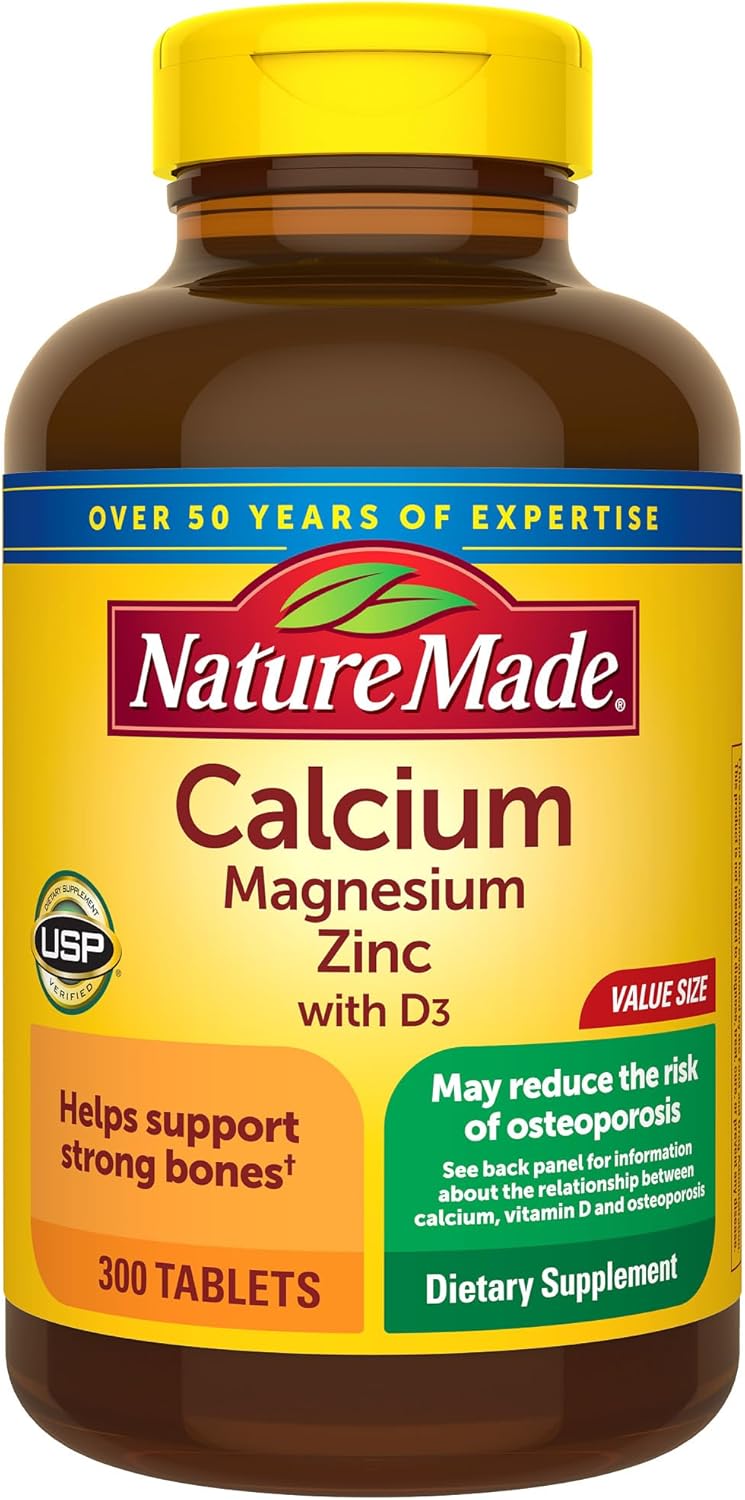
If you’re looking for a high-quality supplement that combines collagen with calcium and magnesium for optimal bone support, Life Extension Bone Strength Collagen Formula is an excellent choice. Its advanced formula ensures superior absorption and comprehensive skeletal nourishment.