Table of Contents
The bottom line: What you eat directly impacts your brain function and mood via the gut-brain axis. Highly processed foods, refined sugars, industrial seed oils, processed meats, and excessive alcohol are linked to increased inflammation and a higher risk of depression & anxiety. Swapping these for a whole-food diet rich in omega‑3s, fiber, and antioxidants—like the Mediterranean or MIND diet—can significantly improve mental well‑being. Small, consistent changes matter more than perfection.
Introduction: Your Brain on Food
The field of nutritional psychiatry is rapidly gaining traction, confirming what many have long suspected: the connection between your gut and brain is powerful. Up to 95% of your serotonin—a key mood regulator—is produced in your gastrointestinal tract. This means that the fuel you provide your body doesn’t just affect your waistline; it affects your mind.
If you are struggling with focus, fatigue, or low mood, your diet might be a contributing factor. Research suggests that certain foods are linked to cognitive decline and an increased risk of depression, while a nutrient-dense diet can lower that risk by 25 to 35%.
🚫 Food #1: Ultra-Processed Foods
⚠️ The Problem These are the packaged snacks, fast foods, and ready-to-eat meals that line supermarket shelves. They are often devoid of fiber and rich in additives, preservatives, and inflammatory ingredients. A 2022 analysis found a higher intake of ultra-processed foods (UPFs) was linked to a 53% higher risk of depression or anxiety.
🚫 Food #2: Added & Refined Sugars
⚠️ The Problem We aren’t just talking about candy. Sugar hides in ketchup, salad dressings, breads, and pasta sauces. While they offer a quick energy spike, they cause a crash that leads to irritability and fatigue. Excess sugar wreaks havoc on gut health and exacerbates inflammation, worsening mood and anxiety.
🚫 Food #3: Industrial Seed Oils
⚠️ The Problem Oils like soybean, sunflower, corn, and canola are highly processed and high in omega-6 fatty acids. While we need some omega-6, the modern diet often contains too many, creating an imbalance that promotes neuroinflammation and oxidative stress in the brain.
🚫 Food #4: Processed Meats
⚠️ The Problem Sausages, bacon, hot dogs, and deli meats are linked to cognitive issues. One seven-year study found a 17% increase in cognitive issues among people who consumed at least one serving of ultra-processed meat a day. These meats are often high in nitrates and saturated fats, which are hard on the brain.
🚫 Food #5: Excessive Alcohol
⚠️ The Problem While a glass of wine might feel relaxing, alcohol is a depressant. It disrupts sleep quality and can interfere with neurotransmitter balance. If you feel jittery or more anxious after drinking, it may be a sign that alcohol is negatively impacting your brain chemistry.
What to Eat Instead: Fuel Your Brain
You don’t need a complicated plan. The Mediterranean Diet and the MIND Diet (Mediterranean-DASH Intervention for Neurodegenerative Delay) are considered the gold standards for brain health.
Healthy Fats
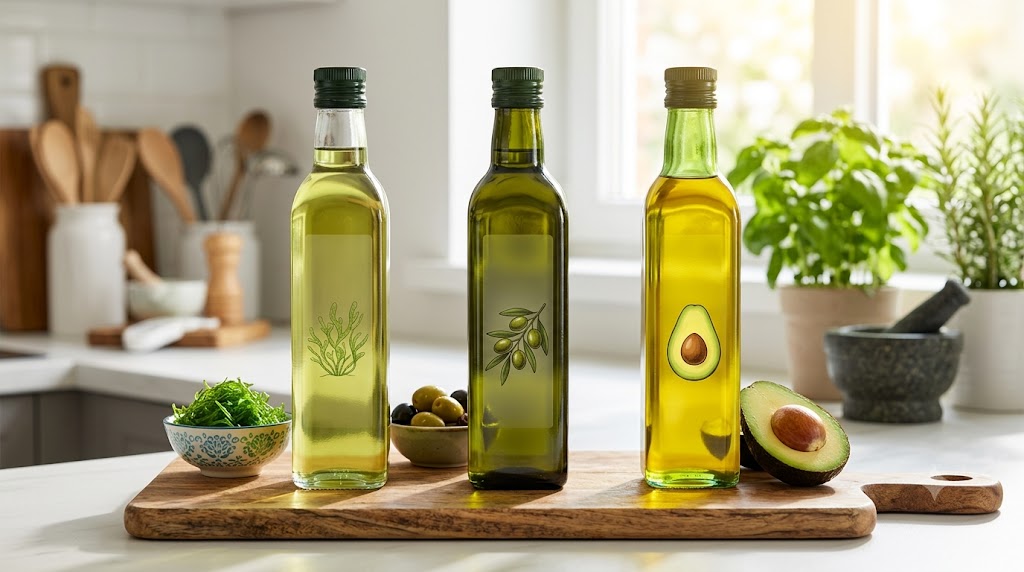
Incorporate extra virgin olive oil, avocados, and oily fish (salmon, sardines) rich in omega‑3s to reduce inflammation.
Fiber-Rich Foods
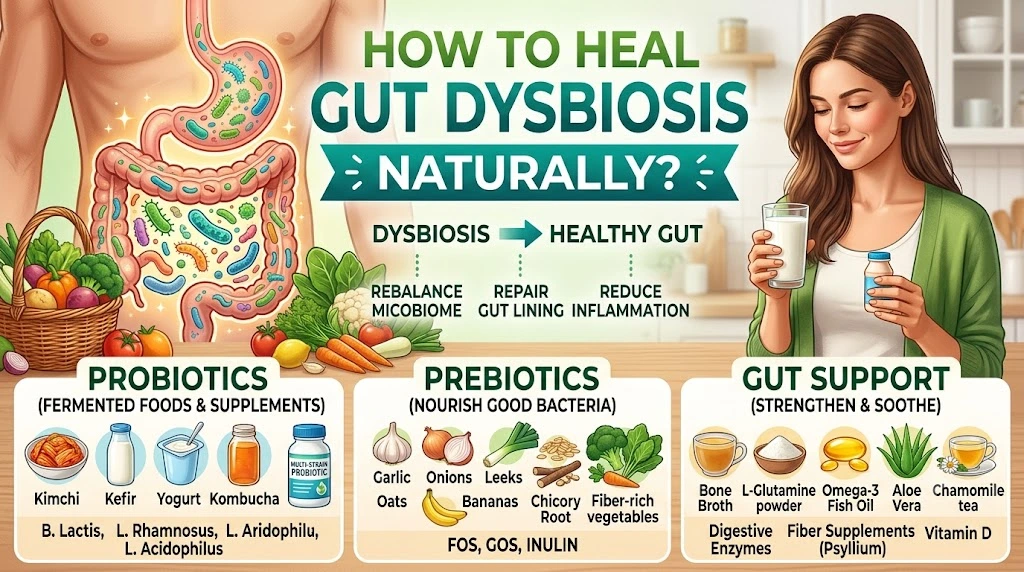
Feed your gut microbiome with whole grains (barley, oats), legumes (lentils, chickpeas), and plenty of vegetables. Healthy gut bacteria help produce short-chain fatty acids that support mood.
Colorful Produce
Aim for a variety of colorful fruits and vegetables. Research suggests that every half‑cup increase in fruits or vegetables is linked to a decrease in depression risk.
Fermented Foods
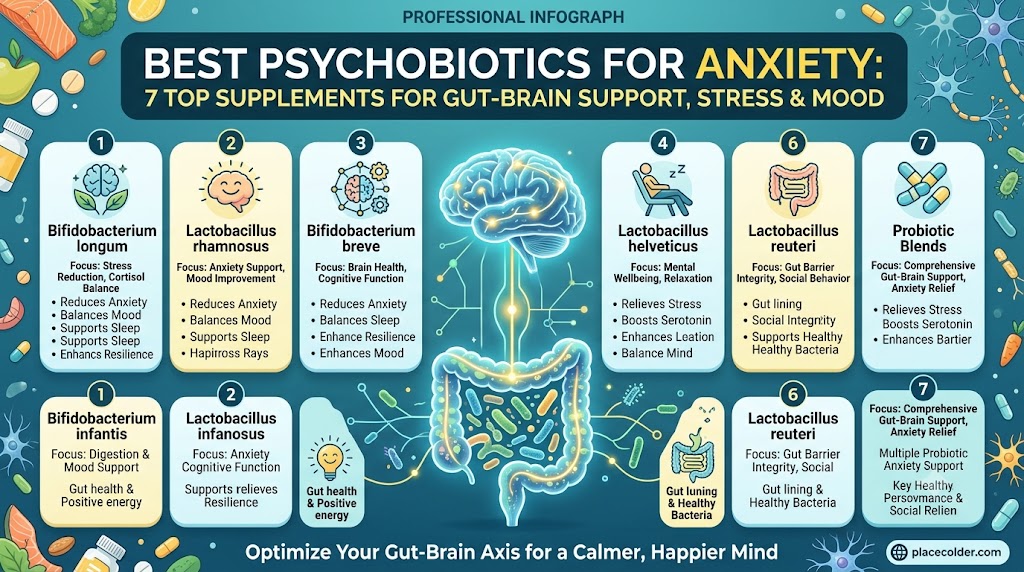
Yogurt, kefir, and kimchi introduce probiotics that support a healthy gut‑brain axis.
✅ Small shifts matter: Swap white bread for whole‑grain, replace sugary drinks with water, and cook meals at home using olive oil instead of butter or seed oils.
FAQs About Food and Mental Health
No. Nutritional psychiatry is not a replacement for medication or therapy. However, research like the SMILES trial shows that dietary improvement can lead to “full remission” in a significant number of patients with major depression, making it a powerful adjunctive treatment.
Some people notice a difference in energy and clarity within a few days. However, consistency is key. It is about changing biological systems over time. Aim for healthy eating 80% of the time; perfection isn’t necessary.
The Mediterranean diet is widely recommended due to its high content of anti‑inflammatory foods and healthy fats. The MIND diet, which combines Mediterranean and DASH principles, is specifically designed for neurodegenerative delay and cognitive function.
Disclosure: We use affiliate links. If you purchase through these links, we may earn a small commission at no extra cost to you. We only recommend products we believe will add value to your journey.
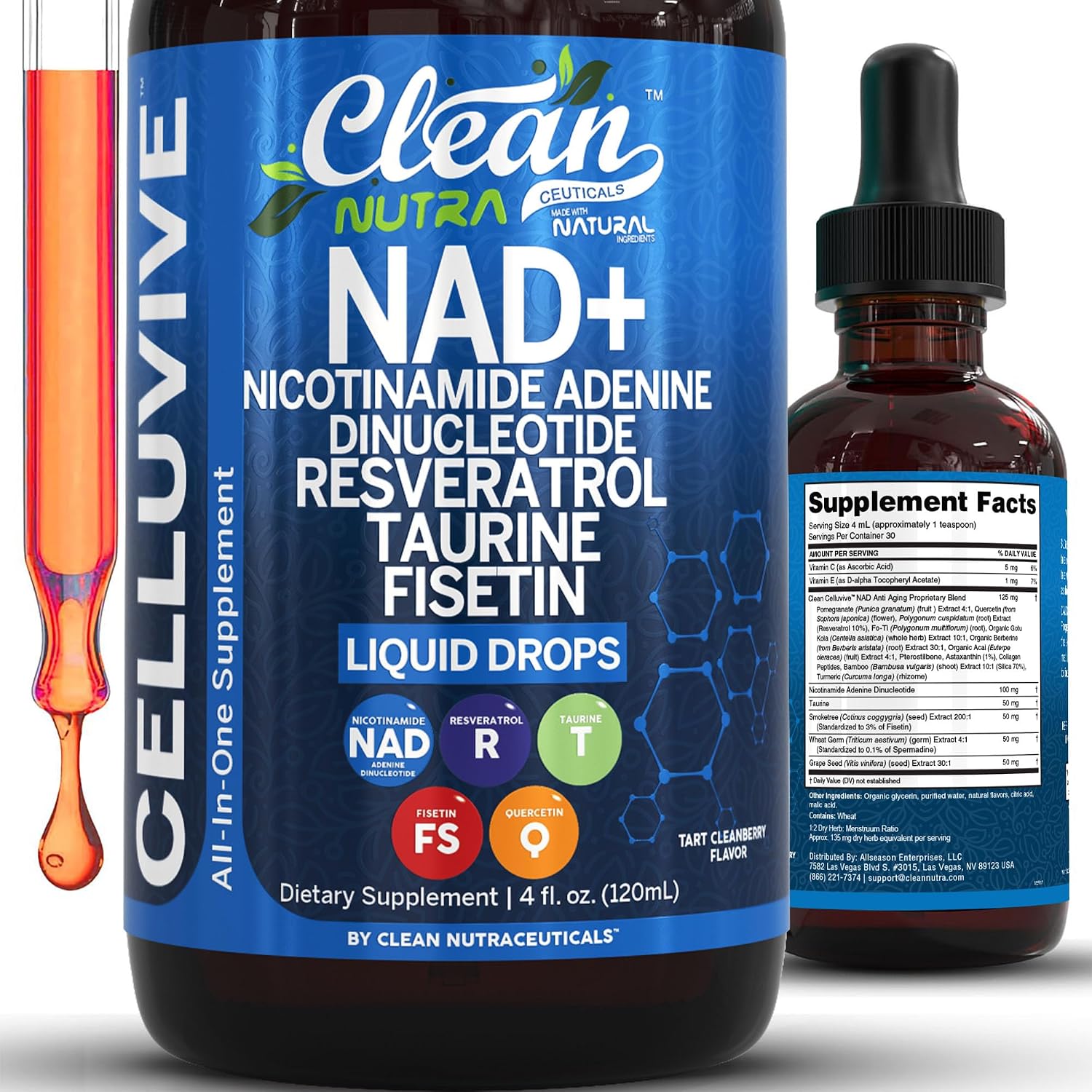
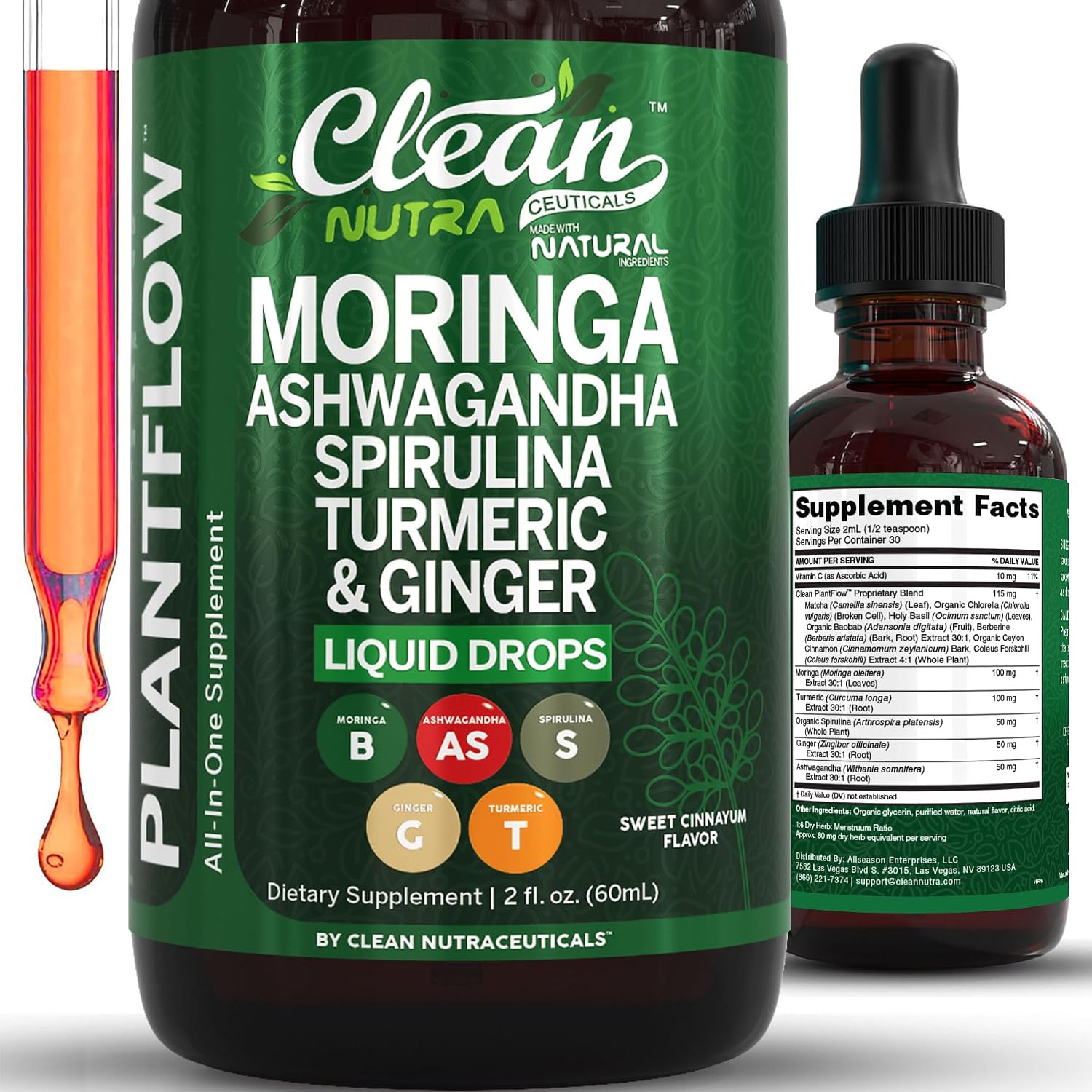
Ready to start your brain‑boosting journey? Here are a few resources I love:
Disclaimer: This article is for informational and educational purposes only. It is not intended to be a substitute for professional medical advice, diagnosis, or treatment. Always seek the advice of your physician or another qualified health provider with any questions you may have regarding a medical condition or dietary changes, especially if you are managing a mental health disorder. Never disregard professional medical advice or delay in seeking it based on content from this article.
Disclosure: As an Amazon Associate, I earn from qualifying purchases. The links provided are affiliate links. This helps support the creation of content like this at no additional cost to you. We are transparent and committed to providing honest opinions and recommendations.
Fuel your mind. Nourish your soul.