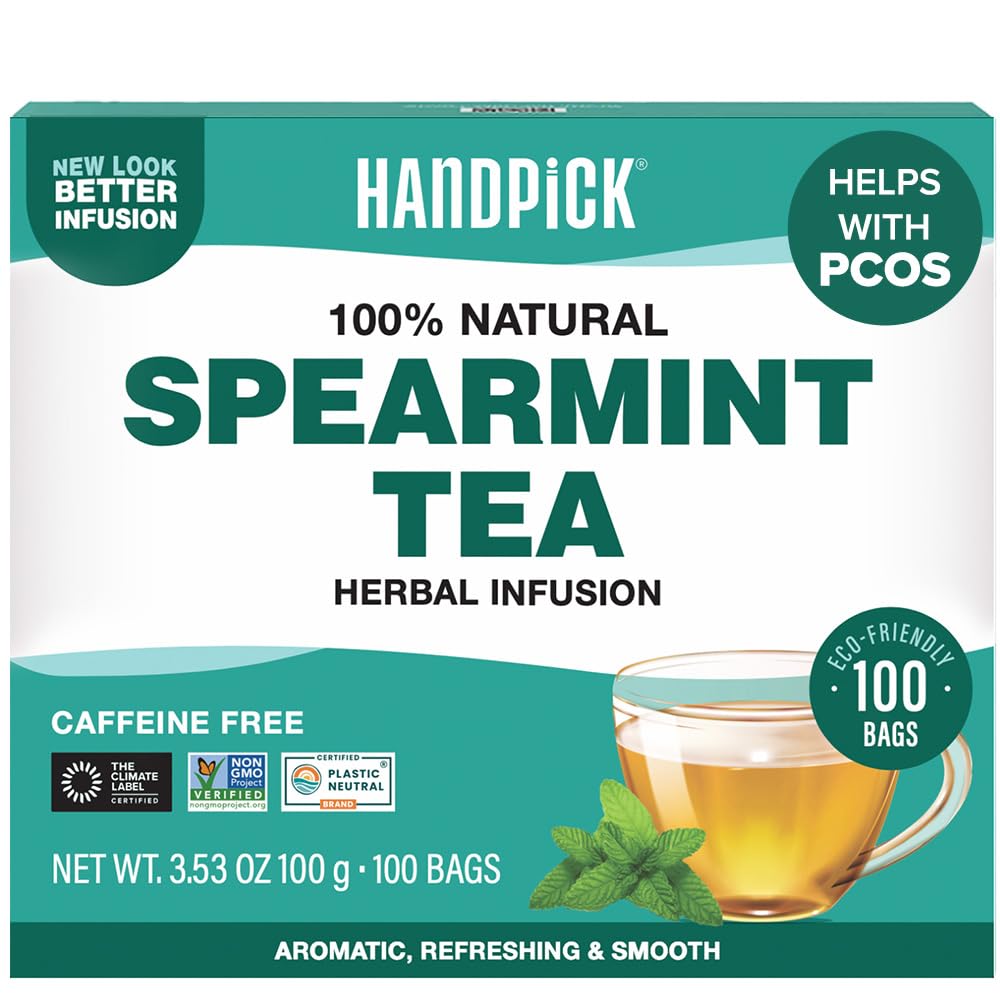
Zinc is a crucial mineral that often doesn’t get the attention it deserves in conversations about PCOS and fertility. Research is increasingly showing that many women with Polycystic Ovary Syndrome have lower levels of zinc, and correcting this deficiency can be a powerful tool for managing symptoms and improving reproductive health.
If you’re wondering how much zinc you should take for PCOS-related fertility issues, the answer depends on your specific needs. Let’s break down the science-backed dosages and what they can do for you.
💊 The Recommended Dosage Range
While the general recommended daily allowance for adult women is around 8 mg, this amount is often insufficient for women with PCOS, particularly those who are zinc deficient.
For therapeutic purposes aimed at improving PCOS symptoms and fertility, clinical studies typically use higher dosages. A common and effective range is 15 to 40 mg of elemental zinc per day. Many studies on women with PCOS have used a dosage of 50 mg of elemental zinc per day, which has been shown to provide significant benefits.
📌 Quick Dosage Summary for PCOS
- General maintenance: 8–11 mg/day
- Therapeutic range for PCOS symptoms: 15–40 mg/day
- Clinical research dose (most studied): 50 mg/day (elemental zinc)
- Upper safe limit (adults): 40 mg/day for long-term use
⚠️ Always consult your healthcare provider before starting any supplement, especially at higher doses.
🔬 What the Research Says: Dosage & Benefits
Here is a breakdown of the specific dosages used in clinical trials and their observed effects on PCOS and fertility:
Dosage: 50 mg/day of elemental zinc (often as 220 mg of zinc sulfate) • Duration: 8 weeks
Key Findings: This dosage led to a significant reduction in hirsutism (excessive hair growth) and alopecia (hair loss) in women with PCOS. While this particular study did not find a significant change in overall hormonal profiles, other research confirms zinc’s role in improving hyperandrogenism by modulating testosterone metabolism.
Dosage: 50 mg/day of elemental zinc, often combined with magnesium • Duration: 12 weeks
Key Findings: This combination significantly decreased markers of inflammation (like hs-CRP) and oxidative stress. This is vital because chronic inflammation and oxidative stress are core contributors to insulin resistance and hormonal imbalances in PCOS, which directly impact fertility.
Dosage: 8–12 mg/day (lower dose, synergistic with other minerals)
Key Findings: Zinc is essential for proper insulin signaling. Even at lower doses, when combined with nutrients like magnesium and vitamin D, it has been shown to improve fasting insulin levels and HOMA-IR scores, addressing a root cause of PCOS.
Dosage: Observed in studies with 30–50 mg/day
Key Findings: One of the most compelling findings is that women with PCOS who were infertile had significantly lower levels of zinc than PCOS women who were fertile. A specific protein, zinc-α2-glycoprotein, was found to be a predictor of fertility, with a level above 42 µg/ml indicating fertility potential in women with PCOS.
Dosage: 30 mg/day (in combination with other nutrients)
Key Findings: Zinc plays a role in neurotransmitter function. Studies show that zinc supplementation can reduce symptoms of depression and anxiety, which are common in women with PCOS, by modulating the HPA axis and reducing neuroinflammation.
Dosage: 30–50 mg/day
Key Findings: Zinc’s anti-inflammatory and antibacterial properties help manage acne, a frequent PCOS complaint. It also supports hair follicle health, reducing the hair thinning often associated with hyperandrogenism.
🤔 Why Is Zinc So Important for PCOS Fertility?
Zinc is involved in over 300 enzymatic reactions in the body and is critical for several processes that are often impaired in PCOS:
- Hormone Regulation: Zinc plays a direct role in the synthesis and metabolism of reproductive hormones, including testosterone and estrogen. It helps modulate hormone receptor sensitivity at the cellular level.
- Insulin Sensitivity: Zinc is essential for proper insulin signaling. By improving insulin sensitivity, it helps combat insulin resistance, a root cause of PCOS.
- Ovulation & Follicle Maturation: Animal studies show that zinc deficiency can negatively affect ovulation. Furthermore, zinc is crucial for the maturation of ovarian follicles, a key step in preparing an egg for release.
- Fertility Potential: A specific protein, zinc-α2-glycoprotein, was found to be a predictor of fertility, with a level above 42 µg/ml indicating fertility potential in women with PCOS.
⚠️ Important Safety Considerations
While zinc is beneficial, it is essential to use it wisely.
- The Upper Limit: The tolerable upper intake level for zinc for adults is 40 mg per day. Exceeding this regularly can lead to side effects like nausea, vomiting, and stomach cramps.
- Long-Term Use: Taking high doses of zinc over a long period can lead to copper deficiency, as zinc and copper compete for absorption. This can, in turn, lead to other health issues like anemia and reduced immunity.
- Medication Interactions: Oral zinc can interfere with the absorption of certain antibiotics (like quinolones and tetracyclines) and medications for rheumatoid arthritis (like penicillamine).
💡 The Bottom Line
For women with PCOS looking to improve their fertility, a therapeutic dose of 15 to 50 mg of elemental zinc per day is commonly used in research and clinical practice.
The most evidence-backed dosage for improving PCOS symptoms is 50 mg/day of elemental zinc, as this has been studied extensively in clinical trials. However, because the upper safe limit is 40 mg, a daily dose of 30–40 mg is a practical and effective target for many women.
Crucially, you should always consult with your healthcare provider before starting a zinc supplement. They can help you determine the right dosage for your individual needs, check for potential interactions with other medications, and monitor your levels to ensure you are getting the benefits without the risks. This is especially important if you are also taking other supplements like copper, as they need to be balanced correctly.
🛒 Top Zinc Supplement for PCOS Support
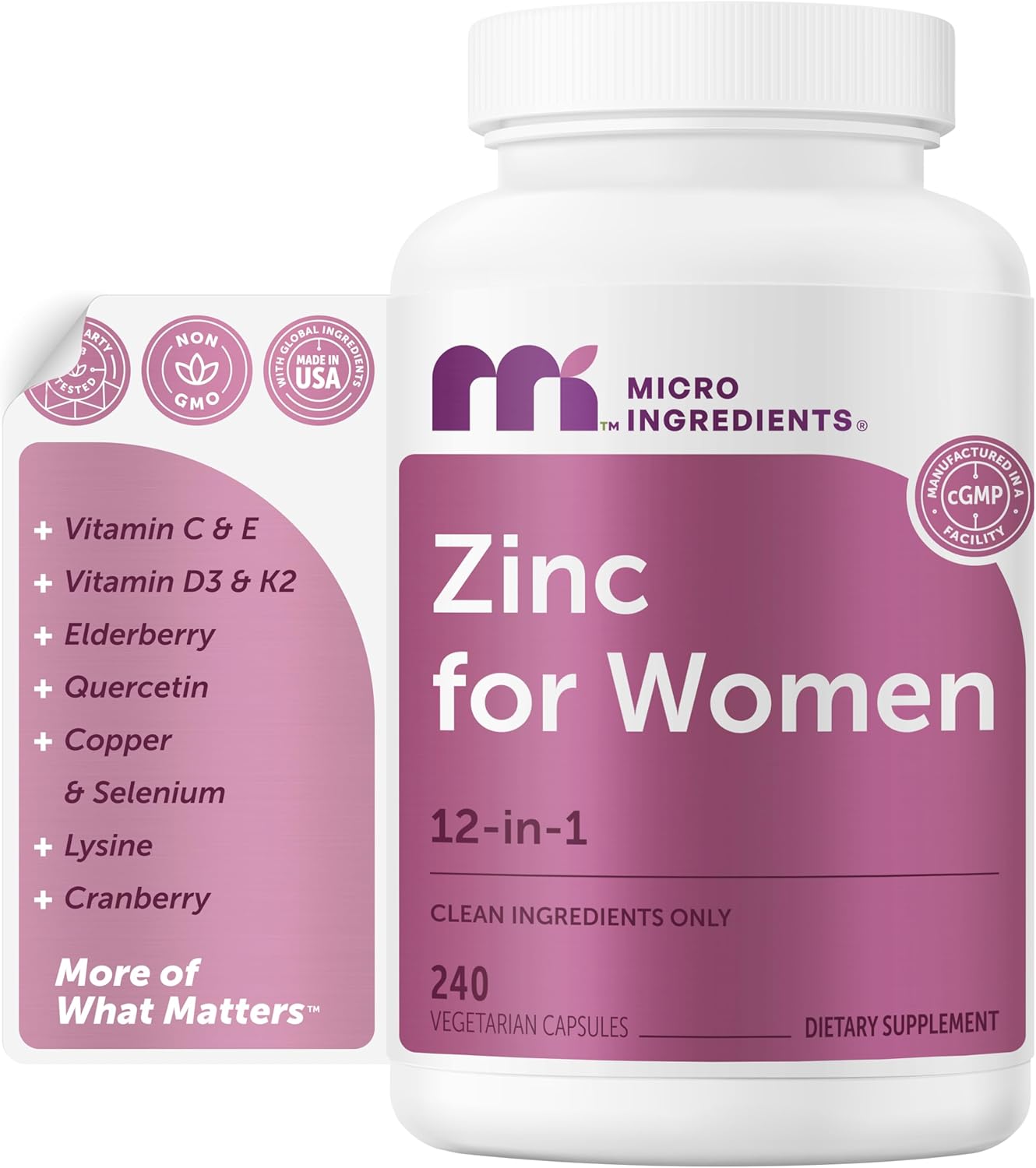
High-quality zinc supplement for PCOS & fertility
Check Price on Amazon →❓ Frequently Asked Questions About Zinc & PCOS
Can I take 50 mg of zinc daily for PCOS?
Yes, 50 mg/day of elemental zinc is the dosage most commonly used in PCOS clinical trials and has been shown to be effective for reducing hirsutism, inflammation, and oxidative stress. However, because the upper safe limit is 40 mg, this dose should only be taken under medical supervision and for a limited period (e.g., 8–12 weeks).
How long does it take for zinc to improve PCOS symptoms?
Most clinical studies show significant improvements in inflammatory markers and hormonal symptoms within 8 to 12 weeks of consistent supplementation. For fertility outcomes, such as improved ovulation, it may take 3 to 6 months of combined zinc supplementation and lifestyle changes.
Is it safe to take zinc with metformin or birth control pills?
Zinc is generally safe to take alongside metformin and oral contraceptives. Some studies actually investigate zinc as an adjunct therapy to metformin to improve insulin sensitivity. However, zinc can interact with certain antibiotics and penicillamine. Always consult your doctor before combining zinc with any medication.
Should I take zinc with copper?
Yes, if you are taking high-dose zinc (above 30 mg/day) for an extended period, it’s wise to also supplement with copper (1–2 mg/day) to prevent zinc-induced copper deficiency. Many high-quality zinc supplements include a small amount of copper for this reason. Your healthcare provider can advise on the right ratio for you.
What form of zinc is best for PCOS?
Zinc picolinate, zinc citrate, and zinc glycinate are among the most bioavailable forms and are well-absorbed. Zinc sulfate, used in many clinical trials, is also effective but may cause more stomach upset. Zinc picolinate is often preferred for its superior absorption and tolerability.