You might be surprised to learn that the answer to whether vinegar pickles are good for your gut is not a simple yes or no. It depends entirely on the type of pickle you’re eating. While many people assume all pickles are created equal in terms of health benefits, the process used to make them—specifically, fermentation versus quick-pickling in vinegar—determines their impact on your digestive system.
The Key Difference: Fermented vs. Vinegar Pickles
To get to the bottom of this, we need to distinguish between two primary types of pickles.
🥒 Fermented pickles are made through a natural process where cucumbers are submerged in a saltwater brine. This environment encourages the growth of beneficial bacteria, primarily lactic acid bacteria (LAB), which then ferment the sugars in the cucumbers. This process creates the sour taste and, crucially, produces live probiotics—the “good” bacteria that are so beneficial for your gut microbiome. These are the pickles that offer the most significant gut health benefits.
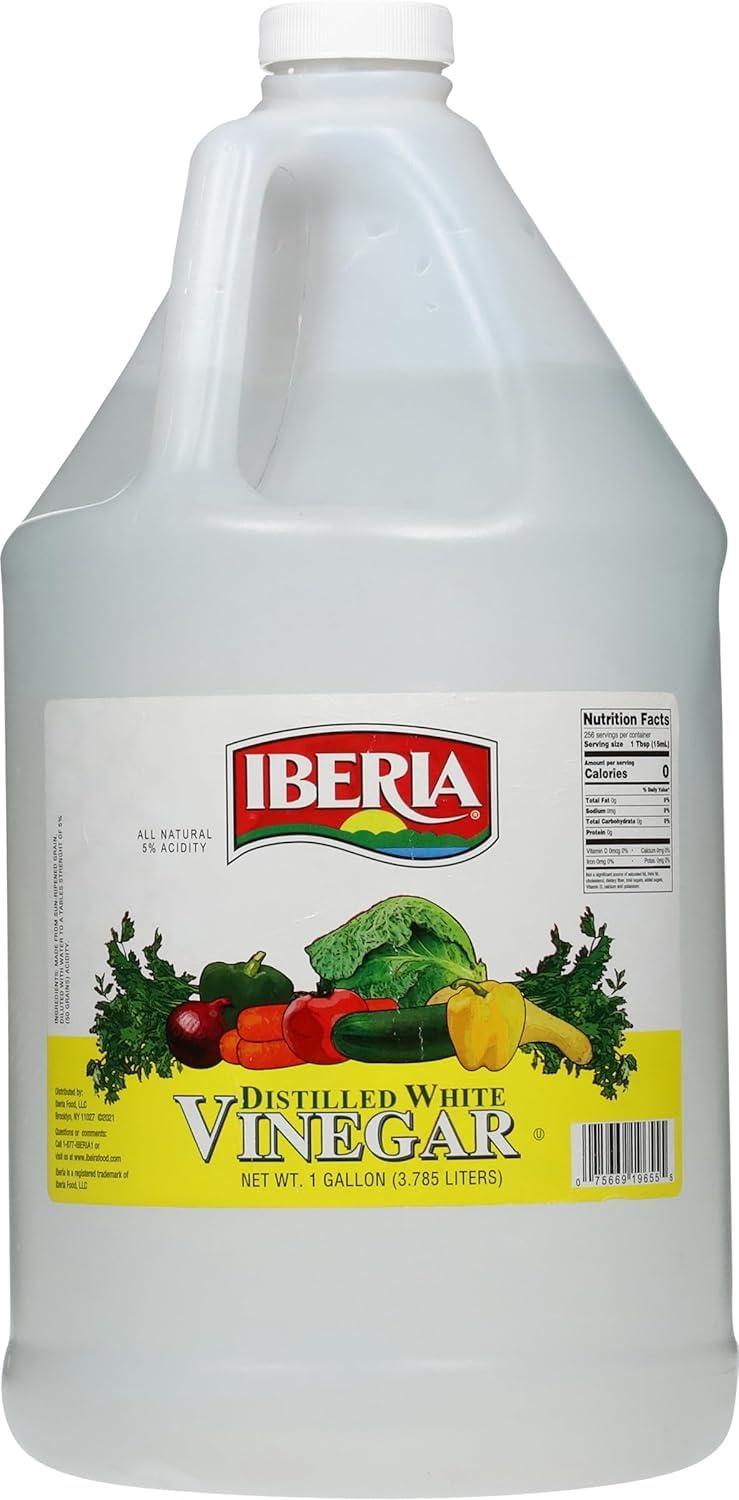
🧪 Vinegar pickles, also known as quick pickles, skip the fermentation process altogether. Instead, they are preserved by soaking them in an acidic solution, typically made of vinegar, water, salt, and spices. The high acidity immediately preserves the vegetable, but it does not allow for the growth of live probiotic bacteria.
The Vinegar Pickle Dilemma
So, to answer the core question: Are vinegar pickles good for gut health? The consensus is that they are not a source of probiotics. Commercial vinegar pickles are also often pasteurized, a process that uses high heat, which effectively kills any beneficial bacteria that might have been present.
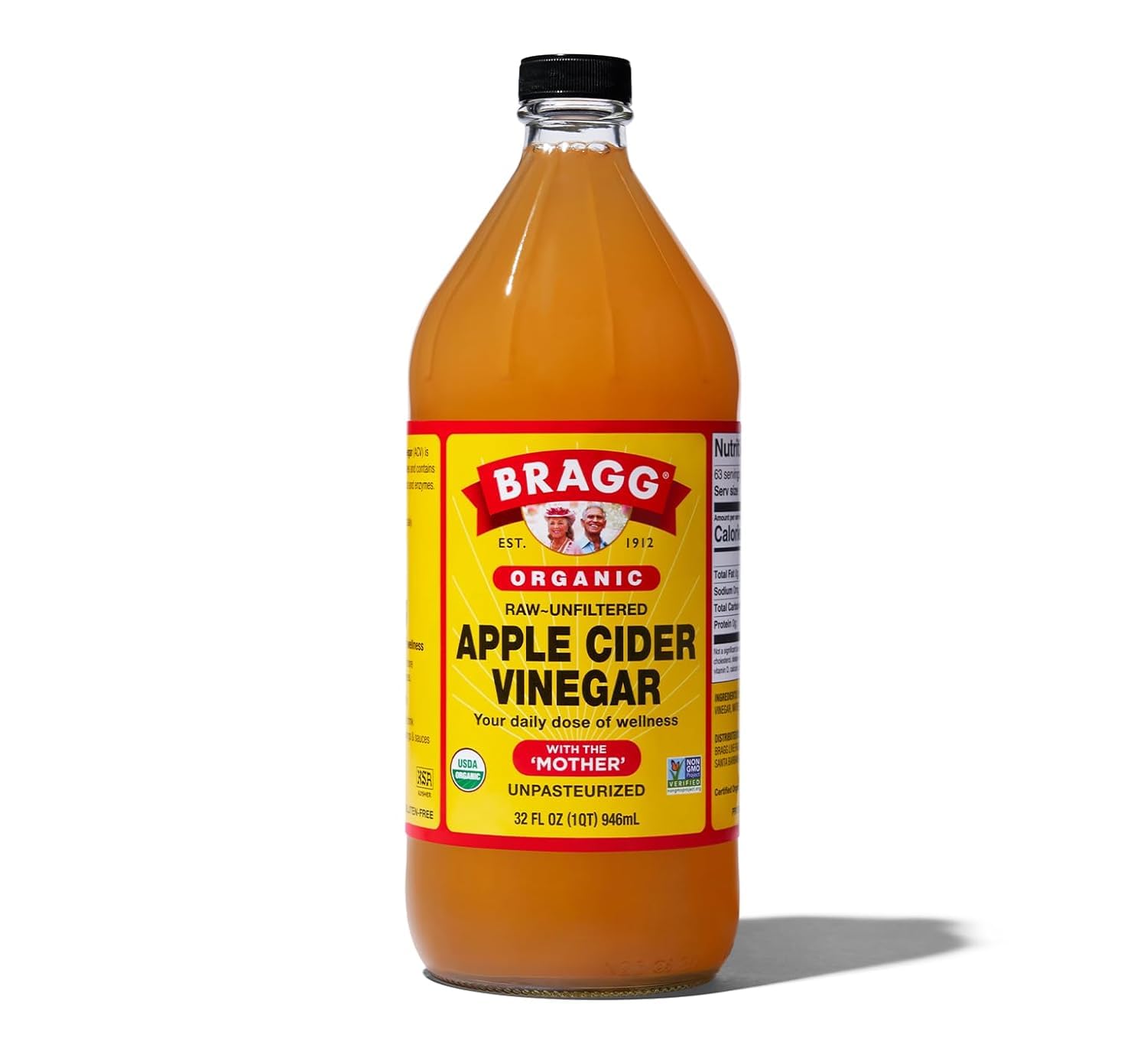
However, there is a silver lining. Vinegar itself, which is primarily acetic acid, has been the subject of studies showing other health benefits. For instance, vinegar has been linked to better blood sugar control and may even help with weight management by reducing appetite. While these benefits are notable, they are distinct from the probiotic boost to the gut microbiome.
Furthermore, a review of scientific literature on probiotics in food challenges the notion that vinegar-preserved cucumbers lack all probiotic effects, noting scientific assumptions about the probiotic potential of vinegar itself. Another study on Japanese pickles found that even vinegar-preserved types contained viable LAB, though their growth was retarded by the acidification from the vinegar. This suggests that while less ideal than fermented versions, vinegar pickles may offer a complex middle ground rather than being entirely without merit.
✅ Vinegar pickles (the pros)
- Low-calorie, crunchy snack
- May support blood sugar control (acetic acid)
- Can aid appetite regulation
- Long shelf life (no refrigeration needed)
❌ Vinegar pickles (the cons)
- No live probiotics (pasteurisation kills them)
- Often high in sodium
- Lack the gut-microbiome diversity boost
- Not a fermented food
How to Choose Pickles for Gut Health
If your primary goal is to improve your gut health, the choice is clear. Look for naturally fermented pickles. These are often found in the refrigerated section of grocery stores, as the live bacteria require cooler temperatures to survive. The label might explicitly state “fermented,” “contains live cultures,” or “probiotic.”
Avoid vinegar-based pickles that are found on room-temperature shelves for probiotic benefits. While they can be a tasty and low-calorie snack with some health benefits of their own, they don’t provide the live bacteria necessary for a healthy gut.
🔍 Quick tip: If the ingredient list starts with “vinegar” and the jar is on a non-refrigerated shelf, it’s a quick pickle. If it lists “salt” and “water” as the main brine ingredients and is kept chilled, it’s likely fermented.
A Note of Caution
⚠️ Sodium alert: Regardless of which type you choose, it’s essential to consume pickles in moderation. Both fermented and vinegar-based pickles are notoriously high in sodium. For people with high blood pressure or those watching their salt intake, excessive consumption can be harmful. It’s always best to check the nutrition label to make an informed choice that fits your dietary needs.
The Bottom Line
Are vinegar pickles good for gut health? If you’re after live probiotics—the kind that directly nourish your microbiome—the answer is no. But if you appreciate the tangy flavour and want a low-calorie snack that may offer metabolic perks, vinegar pickles can still have a place in your diet. Just don’t confuse them with fermented pickles when it comes to gut health.
🥗 For the best gut benefits, reach for the chilled, fermented jars – and always check the label for live cultures.
© 2026 • Written for gut-health enthusiasts • Always consult your healthcare provider for personalised dietary advice.