You’ve probably heard the saying “an apple a day keeps the doctor away” — but what about the peel? While many fruit skins are packed with fiber and nutrients, others can cause digestive distress, contain natural toxins, or simply be impossible to chew. So how do you tell the difference?
The short answer is this: Most fruit skins are technically edible, but several common ones should always be avoided — either because they’re toxic, irritating, or completely indigestible.
Let’s break down exactly which fruit skins you should never eat, why they’re problematic, and which ones are perfectly safe (and even healthy) to consume.
Fruit Skins You Should Never Eat
1. Mango Skin
Verdict: Do NOT eat.
Mango skin contains urushiol — the same compound found in poison ivy and poison oak . For many people, eating mango skin can cause an itchy rash around the mouth, swollen lips, or even digestive upset. While the fleshy inside is perfectly safe (and delicious), the skin is a different story.
Fun fact: People who are highly sensitive to poison ivy are more likely to react to mango skin. The reaction happens because the fruit grows on trees related to the cashew and pistachio family.
If you accidentally eat a small piece, you’ll probably be fine — but regularly consuming mango skin isn’t recommended.
2. Cashew Fruit Skin (Cashew Apple)
Verdict: Do NOT eat raw.
Fresh cashew apples (the fruit attached to the cashew nut) contain the same urushiol compound in their skin as mangoes. The raw skin can cause severe contact dermatitis and mouth irritation . This is why cashews are always sold shelled and roasted — the heat destroys the toxic oil.
Unless you’re harvesting cashews yourself (unlikely for most readers), you probably won’t encounter this. But it’s worth knowing that not everything in the produce section labeled “fruit” has an edible peel.
3. Raw Jackfruit Skin
Verdict: Do NOT eat.
Jackfruit has a thick, spiky, rubbery rind that’s extremely difficult to chew and digest . While not toxic like mango skin, it’s tough, fibrous, and offers no nutritional benefit. The sticky latex sap that oozes from the skin can also irritate your hands and mouth.
The edible parts are the sweet yellow pods (arils) inside — the skin should go straight to the compost bin.
4. Durian Skin
Verdict: Do NOT eat.
The durian’s outer shell is covered in sharp spikes and has a woody, fibrous texture that’s completely inedible. Inside, the creamy flesh is what people either love or hate — but the skin itself has no culinary use.
5. Citrus Peels (Oranges, Lemons, Grapefruits — The White Pith)
Verdict: The outer zest is fine; the thick white pith is unpleasant but not toxic.
Technically, you can eat citrus peels — the colored outer layer (zest) is commonly used in cooking. However, the thick white pith underneath is extremely bitter, tough, and difficult to digest in large quantities . While it won’t poison you, eating an entire orange peel will likely cause stomach discomfort.
The exception: People with citrus allergies should avoid all parts of the peel.
Fruit Skins That Are Difficult or Unpleasant to Eat
Some skins aren’t toxic — they’re just not worth the effort.
| Fruit | Skin Characteristics | Edible? |
|---|---|---|
| Pineapple | Tough, spiky, fibrous | No — the rough outer layer is inedible |
| Banana | Thick, bitter, and astringent | No — but some cultures cook with the peel (after thorough preparation) |
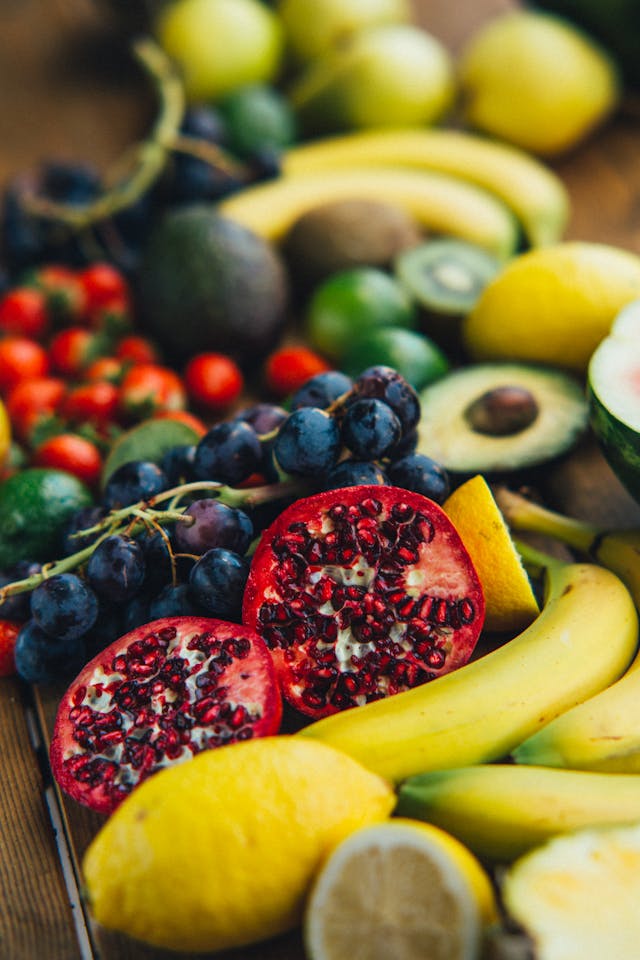
| Pomegranate | Leathery and tough | No — eat the arils, discard the rind |
| Coconut | Hard, woody shell | No — the brown shell is inedible |
| Papaya | Bitter and slightly irritating | No — contains latex that can irritate the stomach |
| Watermelon | Thick green rind | Surprisingly, yes — pickled or cooked, but not raw |
A 2007 study on fruit skin sensory properties found that peels generally require more chewing force and taste significantly more bitter than the flesh . This bitterness is often a plant’s natural defense mechanism — discouraging animals from eating the skin before the fruit is ripe.
The “Old School” Warning: Why Historical Advice Still Matters
In 1858, Scientific American published a fascinating article about fruit skins and digestion. The author warned that:
“The skin of all the plum tribe is wonderfully strong… If not thoroughly masticated before taken into the stomach, the rind of plums is rarely, if ever, dissolved by the gastric juice.”
While modern science has shown that most plum skins are digestible when chewed properly, the underlying point remains: poorly chewed fruit skins can cause digestive irritation — especially for people with sensitive stomachs or conditions like IBS .
The article also warned about dried raisins and currants, noting that if swallowed whole, they may pass through the digestive system undigested. This is still relevant today — dried fruit skins are concentrated and tough.
Fruit Skins That Can Cause Specific Health Problems
Unripe Persimmon Skin
Persimmons are tricky. When ripe, the skin is edible. When unripe, the skin contains high levels of tannins that can react with stomach acid to form a hard mass called a bezoar (essentially a fruit-based stone). This is rare but serious.
Unripe Banana Skin
Ripe banana skins are tough but technically edible. Unripe (green) banana skins contain high levels of tannins that can cause constipation and stomach pain. The flesh is fine — but stick to ripe bananas if you’re experimenting with peel-eating.
Fruits with Pesticide Concerns
This isn’t about natural toxicity, but it’s worth mentioning: A 2023 study in PubMed found that consumers’ decisions to eat fruit peels depend largely on pesticide residue concerns . Peaches, apples, and grapes are often on the “Dirty Dozen” list — meaning their skins can harbor higher pesticide levels if grown conventionally .
Solution: Wash thoroughly, buy organic when possible, or peel these fruits if you’re concerned.
The Bottom Line: A Quick Reference Table
| Fruit | Skin Edible? | Why/Why Not |
|---|---|---|
| Mango | ❌ No | Contains urushiol (poison ivy compound) |
| Cashew apple | ❌ No (raw) | Same urushiol issue |
| Jackfruit | ❌ No | Tough, fibrous, inedible |
| Durian | ❌ No | Woody, spiky shell |
| Pineapple | ❌ No | Tough and spiky |
| Banana | ❌ No (raw) | Bitter, astringent |
| Pomegranate | ❌ No | Leathery and tough |
| Papaya | ⚠️ No (raw) | Contains latex, can irritate |
| Citrus (orange, lemon) | ⚠️ Zest only | White pith is bitter and tough |
| Watermelon | ✅ Yes (cooked) | Rind can be pickled or stir-fried |
| Kiwi | ✅ Yes | Fuzzy but edible (golden kiwis have smoother skin) |
| Apple | ✅ Yes | Nutrient-rich but wash thoroughly |
| Pear | ✅ Yes | Edible, though sometimes tough |
| Peach | ✅ Yes | Fuzzy but safe (wash well) |
| Plum | ✅ Yes | Edible when ripe and chewed well |
| Grapes | ✅ Yes | Edible (and full of resveratrol) |
Safe Preparation Tips
If you’re planning to eat edible fruit skins, follow these guidelines:
- Wash thoroughly — Run under cool water and scrub with a produce brush to remove dirt, bacteria, and pesticide residue .
- Buy organic when possible — Especially for thin-skinned fruits like apples, peaches, and grapes.
- Chew well — Poorly chewed skins can cause digestive discomfort .
- Introduce slowly — If you’re not used to eating fruit skins, your digestive system may need time to adjust (thanks to the extra fiber).
When in Doubt, Peel It
The simple rule? If you don’t know whether a fruit’s skin is edible — peel it. Most of the fruit’s nutrients are in the flesh anyway, and you’ll avoid any unpleasant surprises.
That said, the next time someone tells you to “eat your peels,” you can confidently respond: “Unless it’s a mango.”