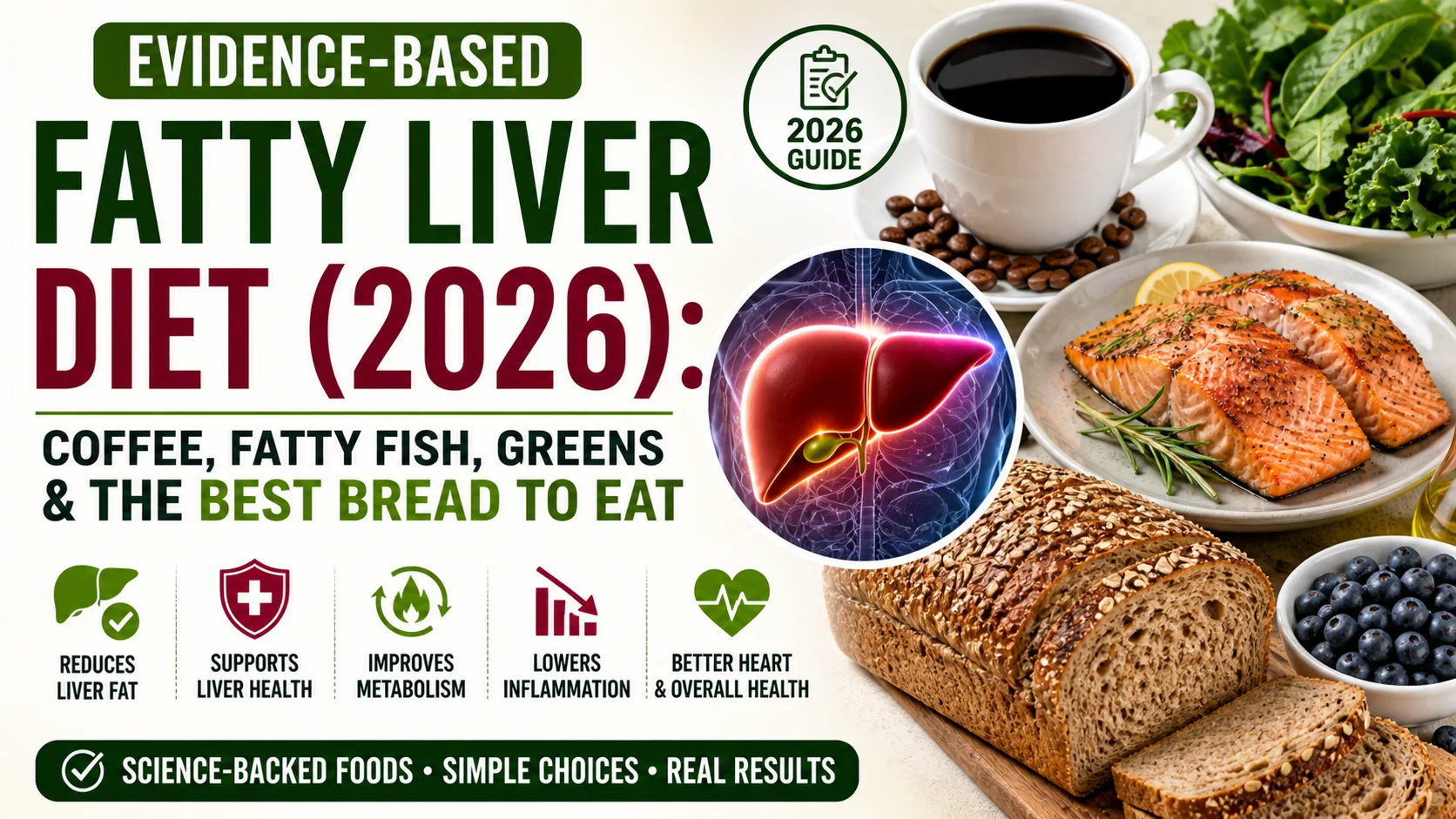
If you have been diagnosed with fatty liver disease—or suspect you might—you are not alone. Nearly 1 in 3 adults in the United States has non-alcoholic fatty liver disease (NAFLD), now clinically referred to as MASLD (Metabolic Dysfunction-Associated Steatotic Liver Disease). The good news? Unlike many chronic conditions, fatty liver is reversible. The most powerful tool at your disposal is your diet.
This comprehensive guide answers all your pressing questions: What foods repair a fatty liver? What should you absolutely avoid? What is the best breakfast? And most importantly—what is the quickest way to reduce liver fat?
💡 The bottom line up front: Losing just 5-10% of your body weight combined with a Mediterranean-style diet is the most clinically proven approach to reversing fatty liver disease.
👉 Browse top-rated liver health supplements on Amazon (USA)
What Foods Are Good for Fatty Liver Repair?
The most recommended dietary approach for fatty liver disease is the Mediterranean diet. This eating pattern is rich in fruits, vegetables, lean proteins, and healthy fats—and it is high in fiber, vitamins, minerals, and polyphenols (plant compounds with antioxidant and anti-inflammatory properties).
The Best Foods for Liver Repair
Specific Serving Targets
According to the Mayo Clinic, here is what you should aim for weekly:
- Vegetables: At least 3 servings daily (1 serving = 1 cup raw or ½ cup cooked)
- Fruits: At least 2 servings daily (1 serving = 1 cup fresh fruit)
- Fish & Seafood: 3 or more servings weekly (1 serving = 3-5 oz)
- Legumes & Beans: 3 or more servings weekly (1 serving = ½ cup)
- Nuts & Seeds: 4 servings weekly (1 serving = ¼ cup)
A Note on Coffee, Green Tea & Walnuts
Polyphenols—plant compounds found in black coffee, green tea, and walnuts—contain antioxidants and anti-inflammatory properties that can help reduce liver fat. Drinking 2-3 cups of black coffee daily (no sugar or creamer) is one of the simplest and most effective habits for liver health.
⚠️ Important: Fruit juices are not recommended. Even 100% fruit juice is high in calories and low in fiber compared to whole fruit. Always choose fresh or frozen whole fruits instead.
What NOT to Eat with Fatty Liver
Just as important as knowing what to eat is knowing what to avoid. These foods directly contribute to fat buildup in the liver:
Foods to Eliminate or Severely Limit
🔴 The #1 change you can make: Eliminate sugary drinks and fruit juices. Fructose (the type of sugar in these beverages) is uniquely harmful to the liver and directly promotes fat accumulation.
What is the Quickest Way to Reduce a Fatty Liver?
The quickest evidence-based approach combines three key strategies:
1. Calorie Reduction + Weight Loss
Losing 5-10% of your body weight is the single most effective intervention for reversing fatty liver. For a 200-pound person, that is just 10-20 pounds of weight loss.
2. Alternate-Day Fasting (Emerging Evidence)
A 2025 clinical trial randomly assigned 80 adults with NAFLD to different interventions for 3 months. The results:
| Intervention | Liver Fat Reduction |
|---|---|
| Fasting + Exercise | 5.0% |
| Fasting Only | 2.0% |
| Exercise Only | 1.0% |
| Control (no intervention) | 0.2% |
What alternate-day fasting looks like: Eating only 600 calories on “fast days” and eating normally on “feed days”.
💡 Practical takeaway: Alternate-day fasting plus regular exercise produced the best results. However, any diet that leads to sustainable weight loss is beneficial.
3. Replace Saturated Fats with Unsaturated Fats
Simply swapping butter for olive oil and fatty meats for fish can lower liver fat independent of weight loss.
How Long Does It Take?
With consistent dietary changes and weight loss:
- 4-8 weeks: Liver enzymes (ALT/AST) often begin to normalize
- 3-6 months: Significant reduction in liver fat visible on imaging
- 6-12 months: Potential reversal of simple steatosis (fatty liver without scarring)
What is the Best Breakfast for Fatty Liver?
A liver-healthy breakfast should be high in fiber, moderate in protein, and low in added sugar. Here are evidence-backed options:
Top Breakfast Choices
1. Oatmeal with Berries
- ½ cup rolled oats cooked with water or unsweetened almond milk
- Top with ½ cup fresh or frozen berries
- Add a sprinkle of cinnamon (anti-inflammatory)
- Why it works: Oats provide soluble fiber that helps control blood sugar; berries are rich in polyphenols
2. Vegetable Omelet
- 1-2 whole eggs or egg whites
- Fill with spinach, tomatoes, bell peppers, and mushrooms
- Serve with 1 slice of 100% whole grain toast
- Why it works: Eggs are a complete protein; vegetables provide antioxidants; whole grains add fiber
3. Greek Yogurt Parfait
- ½ cup plain Greek yogurt (unsweetened)
- ¼ cup walnuts or almonds
- ½ cup fresh berries or sliced apple
- Why it works: Protein keeps you full; nuts provide healthy fats; berries add polyphenols
4. Green Smoothie
- Handful of spinach or kale
- ½ cup frozen berries
- 1 tablespoon chia seeds or flaxseeds
- Unsweetened almond milk
- Why it works: Nutrient-dense; high in fiber; no added sugar
5. Moong Dal Chilla (Indian Lentil Crepe)
- Batter made from soaked moong dal (split yellow lentils)
- Grated bottle gourd (lauki) mixed into the batter
- Serve with small bowl of plain curd
- Why it works: High in fiber and plant protein; curd supports gut health
Breakfast Foods to AVOID
- Sugary cereals (even “healthy” granola)
- Pastries, donuts, muffins
- White toast with butter or jelly
- Flavored yogurt (often loaded with sugar)
- Fruit juice (even fresh-squeezed)
7-Day Meal Plan for Fatty Liver
This sample meal plan follows the plate method: fill half your plate with non-starchy vegetables, one-quarter with whole grains, and one-quarter with lean protein.
| Day | Breakfast | Lunch | Dinner | Snack |
|---|---|---|---|---|
| Monday | Oatmeal with berries + walnuts | Bean and barley soup + spinach salad | Baked salmon + brown rice + asparagus | Handful of almonds + green tea |
| Tuesday | Vegetable omelet (spinach, tomatoes) + whole grain toast | Quinoa bowl with chickpeas, cucumber, olive oil | Grilled chicken + roasted Brussels sprouts + sweet potato | Apple slices + 1 tbsp almond butter |
| Wednesday | Greek yogurt + berries + chia seeds | Leftover grilled chicken + quinoa + side salad | Baked cod + steamed broccoli + ½ cup brown rice | Celery sticks + hummus |
| Thursday | Smoothie (kale, berries, flax, almond milk) | Lentil soup + side of roasted carrots | Turkey burger (no bun) + mixed greens + roasted zucchini | Small handful of walnuts |
| Friday | Moong dal chilla + curd (or 2 eggs + spinach) | Sardine or tuna salad on whole grain crackers | Baked trout + cauliflower rice + side salad | Pear + 5-6 almonds |
| Saturday | Overnight oats (chia, berries, unsweetened almond milk) | Leftover trout + cauliflower rice + greens | Vegetable curry (light coconut milk) + brown rice | Roasted chickpeas |
| Sunday | Two poached eggs + avocado on whole grain toast | Leftover vegetable curry | Grilled shrimp + quinoa + roasted asparagus | Bowl of fresh berries |
🔄 Non-vegetarian swaps: Replace chicken or fish with tofu, tempeh, or beans as desired. Aim for fish 2-3 times weekly for omega-3 benefits.
21-Day Fatty Liver Diet Plan Overview
A structured 21-day plan can help establish lasting habits. Here is a week-by-week framework:
Week 1 (Days 1-7): Foundation
- Breakfast: Green tea + oatmeal with berries
- Lunch: Green vegetables (broccoli, spinach) + grilled chicken or beans
- Dinner: Salad with olive oil + baked fish + small portion of rice
Week 2 (Days 8-14): Expansion
- Breakfast: Scrambled eggs with vegetables on whole wheat toast
- Lunch: Boiled carrots, broccoli, and bread + small serving of curd
- Dinner: Grilled shrimp + salad
Week 3 (Days 15-21): Refinement
- Breakfast: Smoothie (banana, nuts, protein powder, almond milk)
- Lunch: Tomato or lentil soup with tortillas or rotis
- Dinner: Brown rice + stir-fried vegetables in olive oil
📝 Note: These are general guidelines. Adjust portions based on your caloric needs and hunger levels. Consider consulting a healthcare provider before starting any new diet plan.
Fatty Liver Diet Plan PDF & Free Resources
Several reputable sources offer free downloadable resources:
- University of Washington Medical Center offers a patient handout titled “Fatty Liver Disease and Nutrition” (PE1832) available as a free PDF in multiple languages
- Mayo Clinic provides comprehensive online guides with sample meal plans and the plate method
- Apollo 24|7 offers detailed diet guidelines with foods to eat and avoid
For a more structured approach, the “Fatty Liver Diet Cookbook for Beginners” (published May 2025) contains 200+ recipes with complete nutritional breakdowns, designed specifically for liver health.
Woman-Specific Fatty Liver Diet Plan
Women with fatty liver face unique considerations due to hormonal influences. Here are specific tips:
Key Considerations for Women
- Hormonal changes: Estrogen protects the liver; menopause increases NAFLD risk
- Body composition: Women may store fat differently, affecting liver fat accumulation
- Pregnancy: Fatty liver can worsen during pregnancy (acute fatty liver of pregnancy is a separate condition requiring immediate medical attention)
Sample Day for Women
| Meal | Options |
|---|---|
| Breakfast | Oatmeal with berries + walnuts + green tea |
| Lunch | Large salad with mixed greens, chickpeas, olive oil + 3 oz grilled salmon |
| Dinner | Baked cod + roasted broccoli + ½ cup quinoa |
| Snacks | Apple slices, handfufl of almonds, or Greek yogurt |
Additional Tips for Women
- Iron levels: If you have heavy periods, monitor iron status (excess iron stresses the liver)
- Bone health: Weight-bearing exercise helps both liver and bones
- Stress management: Chronic stress increases cortisol, which promotes fat storage (including in the liver)
Alcoholic Fatty Liver Diet (AFLD)
Alcoholic fatty liver disease (AFLD) occurs from excessive alcohol consumption. The first and most critical step is complete alcohol cessation.
Key Differences: AFLD vs. NAFLD Diet
| Aspect | NAFLD (Non-Alcoholic) | AFLD (Alcoholic) |
|---|---|---|
| Primary intervention | Weight loss + Mediterranean diet | Complete alcohol cessation |
| Alcohol | Avoid entirely | Absolutely zero alcohol |
| Dietary approach | Same Mediterranean diet principles | Same Mediterranean diet principles |
| Nutritional deficiencies | Less common | Common (thiamine, folate, B vitamins, zinc) |
| Protein needs | Standard (0.8-1.0 g/kg) | Often higher (1.2-1.5 g/kg) to repair damage |
Specific AFLD Dietary Considerations
- Thiamine (Vitamin B1) supplementation is often necessary, as alcohol impairs absorption
- Higher protein intake (lean chicken, fish, eggs, legumes) supports liver regeneration
- Monitor for malnutrition – heavy drinkers often replace meals with alcohol
- Gradual refeeding if malnutrition is severe (risk of refeeding syndrome)
⚠️ Warning: If you have AFLD, do not attempt to “cut back” – stop completely. Any alcohol consumption accelerates liver damage. Seek medical supervision for alcohol withdrawal if you are dependent.
Free Fatty Liver Diet Plan: Summary Guidelines
Here is a free, printable summary of the fatty liver diet:
DO Eat This:
✅ Non-starchy vegetables (broccoli, spinach, asparagus) – 3+ servings daily
✅ Fresh or frozen fruit – 2 servings daily (NO juice)
✅ Fatty fish (salmon, sardines) – 3+ servings weekly
✅ Lean poultry, eggs, and beans – daily protein source
✅ 100% whole grains (oats, brown rice, quinoa)
✅ Nuts and seeds – 4 servings weekly
✅ Olive oil for cooking
✅ Black coffee and green tea – 2-3 cups daily
✅ Water – stay well hydrated
AVOID This:
❌ Sugary drinks (soda, fruit juice, sweet tea)
❌ White bread, white rice, regular pasta
❌ Pastries, donuts, cookies, cake
❌ Fried foods (french fries, fried chicken)
❌ Red meat (limit to occasional only)
❌ Processed meats (bacon, sausage, deli meat)
❌ Butter and full-fat dairy
❌ Alcohol – completely
Frequently Asked Questions (FAQ)
Q1: Can fatty liver be reversed completely?
A: Yes – for simple steatosis (fatty liver without scarring), weight loss of 5-10% combined with a Mediterranean-style diet can completely reverse the condition. Advanced fibrosis is harder but still improves significantly.
🌿 Support Your Liver Health Journey 🌿
Complement your fatty liver diet with top-rated supplements trusted by thousands of USA customers.
✅ Omega-3 Fish Oil – May reduce liver fat (2024 evidence)
✅ Milk Thistle – Most researched herb for liver health
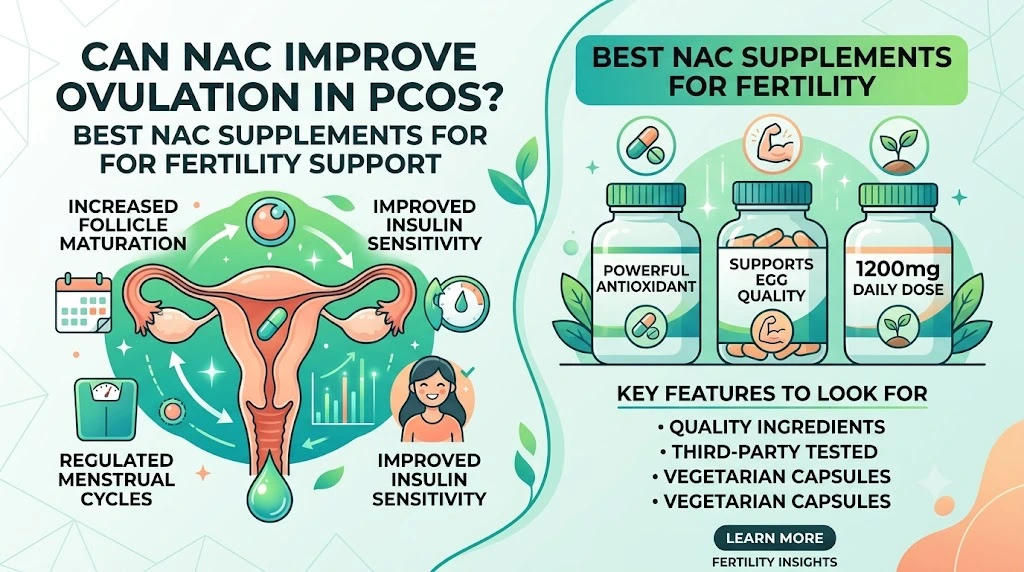
✅ NAC – Supports natural glutathione production
🔗 Universal Amazon link – works for all USA customers. As an Amazon Associate, I earn from qualifying purchases.
Q2: How long does it take to reverse fatty liver?
A: With consistent diet changes and weight loss, liver enzymes (ALT/AST) often improve in 4-8 weeks. Significant reduction in liver fat is typically seen in 3-6 months.
Q3: Is coffee good for fatty liver?
A: Yes. Multiple large studies show that 2-3 cups of black coffee daily reduces liver fat, fibrosis, and cancer risk. Avoid sugar and creamer.
Q4: Can I eat eggs with fatty liver?
A: Yes. Eggs are rich in choline, which is essential for fat transport out of the liver. Up to 3 whole eggs per day is fine for most people.
Q5: Is fruit bad for fatty liver?
A: No – whole fruit is good in moderation. Berries, apples, and citrus are best. Limit high-sugar fruits like grapes, mangoes, and bananas. Avoid fruit juice entirely.
Q6: What is the best bread for fatty liver?
A: 100% whole grain bread or sprouted grain bread (like Ezekiel) with at least 3g of fiber and less than 2g of sugar per slice. Avoid white bread.
Q7: Can I take supplements for fatty liver?
A: Some studies suggest omega-3 fatty acids and vitamin E may improve liver fat, but more research is needed. Only take supplements prescribed by a healthcare professional.
Q8: Is fasting good for fatty liver?
A: Emerging research shows alternate-day fasting (600 calories on fast days) plus exercise reduced liver fat by 5% in 3 months – more than diet or exercise alone. However, any sustainable weight loss approach works.
Q9: What is the difference between NAFLD and MASLD?
A: MASLD (Metabolic Dysfunction-Associated Steatotic Liver Disease) is the new name for NAFLD, adopted to better reflect the metabolic factors (obesity, diabetes, high cholesterol) that cause the condition.
Q10: Do I need to see a doctor for fatty liver?
A: Yes. If you have risk factors (obesity, diabetes, high cholesterol) or elevated liver enzymes on blood tests, see a healthcare provider for proper diagnosis and monitoring.
Comparison Table: Foods to Eat vs. Avoid
| Category | EAT (Liver-Friendly) | AVOID (Liver-Stressing) |
|---|---|---|
| Vegetables | Broccoli, spinach, asparagus, carrots, bell peppers | Starchy vegetables in excess (potatoes, corn) |
| Fruits | Berries, apples, citrus (whole fruit) | Fruit juice, canned fruit in syrup |
| Grains | Oats, brown rice, quinoa, 100% whole grain bread | White bread, white rice, regular pasta, sugary cereals |
| Protein | Salmon, sardines, skinless chicken, eggs, beans, lentils | Fatty beef, bacon, sausage, hot dogs, fried chicken |
| Fats | Olive oil, avocado oil, nuts, seeds, avocado | Butter, margarine, shortening, hydrogenated oils |
| Beverages | Water, black coffee, green tea, unsweetened tea | Soda, fruit juice, sweet tea, alcohol |
| Snacks | Raw nuts, seeds, fresh fruit, vegetable sticks | Chips, cookies, candy, pastries, ice cream |
🛍️ Affiliate Section: Supplements for Liver Health
While diet is the foundation, certain supplements may support liver health. The Mayo Clinic notes that omega-3 fatty acids and vitamin E have shown promise in some studies, though you should only take supplements prescribed by a healthcare professional.
👉 Browse top-rated liver health supplements on Amazon (USA)
*This link shows you real-time bestsellers including milk thistle, NAC, omega-3s, and comprehensive liver support formulas.*
Popular Liver Support Supplements
| Supplement | Potential Benefit | Evidence Level |
|---|---|---|
| Omega-3 Fish Oil | May reduce liver fat | ★★★★☆ (2024 systematic review) |
| Milk Thistle (Silymarin) | May lower liver enzymes | ★★★★☆ (multiple RCTs) |
| Vitamin E | May improve liver inflammation | ★★★☆☆ (PIVENS trial) |
| NAC | Supports glutathione production | ★★★★☆ |
⚠️ Important: Always consult your healthcare provider before starting any supplement, especially for liver disease.
Final Summary Table
| If you want to… | Do this… |
|---|---|
| Reverse fatty liver | Lose 5-10% body weight + Mediterranean diet |
| Choose the best breakfast | Oatmeal with berries or vegetable omelet on whole grain toast |
| Protect your liver daily | Drink 2-3 cups of black coffee |
| Reduce liver fat quickly | Try alternate-day fasting + exercise (under medical supervision) |
| Find a structured plan | Use the 7-day meal plan above or download a free PDF guide |
| Know what bread to eat | 100% whole grain or sprouted grain (≥3g fiber per slice) |
| Avoid completely | Sugary drinks, alcohol, white bread, processed meats |
| Shop supplements | Click here for Amazon’s liver health bestsellers |
📌 Final Word
Reversing fatty liver disease is not about quick fixes or extreme detoxes. It is about sustainable, evidence-based changes to your diet and lifestyle. The Mediterranean diet, regular exercise, and gradual weight loss of 5-10% are your most powerful tools.
Start with one change this week: replace sugary drinks with water or black coffee. Add one serving of leafy greens to your daily meals. Choose whole grains over refined carbohydrates. Small, consistent steps lead to lasting results.
Your liver has an remarkable ability to heal itself—give it the right fuel and it will.
👉 Shop all top-rated liver health products on Amazon (USA)
⚠️ Disclaimer
As an Amazon Associate, I earn from qualifying purchases made through links on this page, including https://amzn.to/426YOjY. This article is for informational purposes only and does not constitute medical advice. Always consult a healthcare professional before starting any new diet or supplement regimen, especially if you have diagnosed liver disease, hepatitis, cirrhosis, or take prescription medications. Individual results may vary. These statements have not been evaluated by the FDA. Supplements are not intended to diagnose, treat, cure, or prevent any disease.