📋 Table of Contents
1. 🧴 What Are Gel Nails?
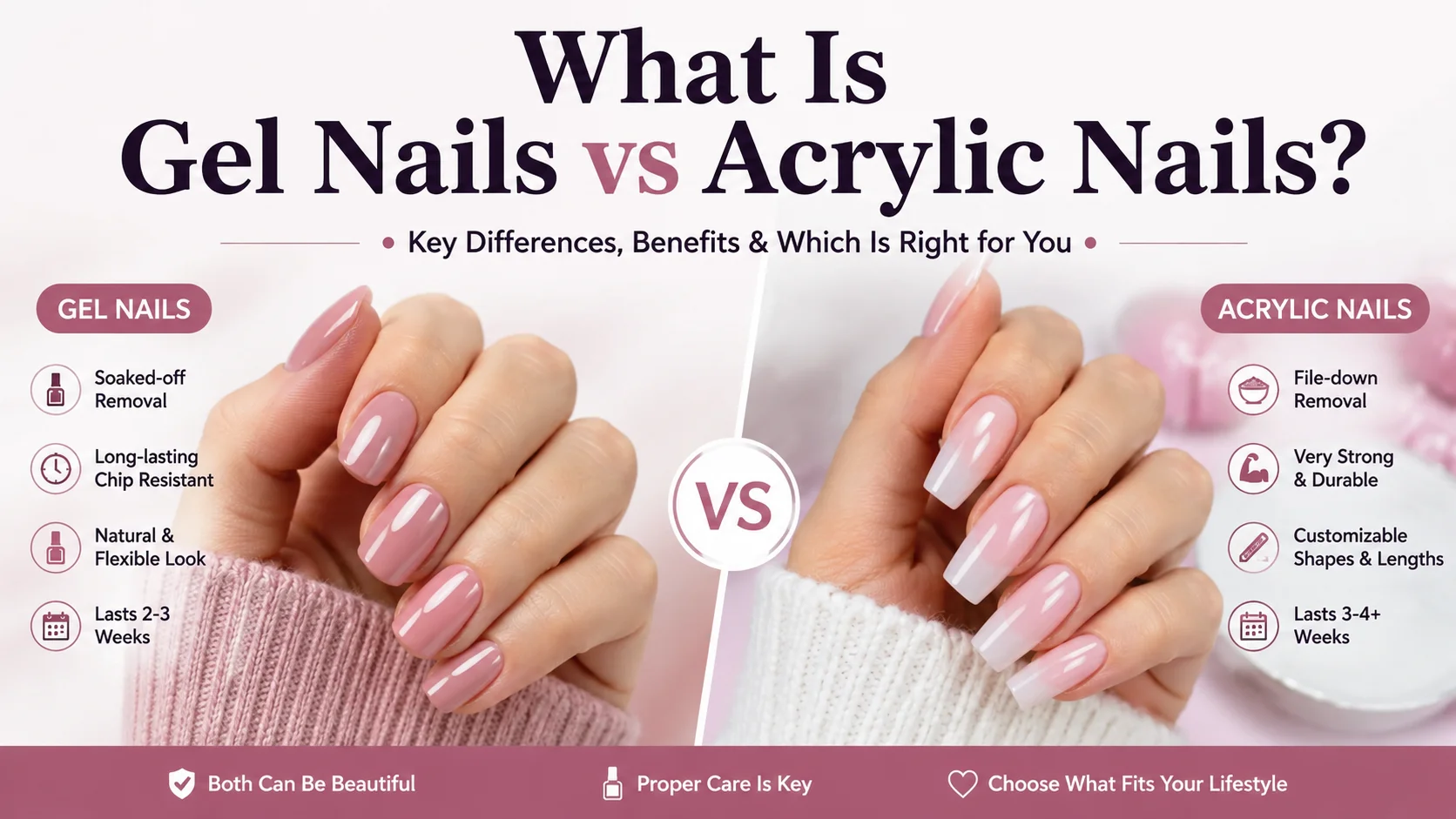
Gel nails are a type of nail enhancement created using a gel-based formula that’s applied in layers and cured under a UV or LED lamp. The light hardens the gel, giving you a glossy, durable finish that can last up to three weeks without chipping.
There are actually two main types of gel nails:
- Soft gel polish — applied like regular nail polish, cured under a lamp, and perfect for shorter, natural-looking nails. It’s flexible and lightweight.
- Hard gel — used to create structured manicures and extensions. It’s more durable, offers a glossy finish, and lasts several weeks.
Gel extensions (like the popular Après Gel-X) are also available — these are clear gel tips applied with a special gel and filed to your desired shape. They’re fast, odor-free, and gentle on natural nails.
2. 🧪 What Are Acrylic Nails?
Acrylic nails are created by mixing a liquid monomer with a powder polymer to form a creamy, paste-like substance. This mixture is then sculpted over your natural nail or a tip using a brush. Once exposed to air, it hardens into a strong, protective layer.
Acrylics have been around for decades and are known for their extreme strength and durability. They can withstand a lot of wear and tear, making them a favorite for those who want long, dramatic nails or need extra reinforcement for weak natural nails.
The combination of liquid and powder hardens through a chemical reaction, so no UV light is required. Once hardened, the acrylic can be filed, shaped, and polished to perfection.
3. 🔍 Gel vs. Acrylic: The Key Differences
The three main differences between gel and acrylic nails come down to application method, materials, and cost.
| Aspect | Gel Nails | Acrylic Nails |
|---|---|---|
| Application | Layers cured under UV/LED lamp | Liquid + powder, air-dries |
| Consistency | Gel-like, flexible, natural feel | Thicker, bulkier, very rigid |
| Strength | Durable but less strong | Extremely strong |
| Finish | High-shine, glossy | Can be glossy but may look thicker |
| Odor | Virtually odorless | Strong chemical smell |
| Removal | Soak-off with acetone | Requires filing or soaking |
4. ✅ Pros & Cons of Gel Nails
🌟 The Good
- Natural look & feel – flexible and lightweight.
- Chip-resistant – lasts up to 3 weeks.
- Odorless – no harsh chemical smells.
- Quick drying – cured in seconds.
- Less damaging – generally gentler than acrylics.
⚠️ The Not-So-Good
- Limited strength – not for very weak nails.
- UV exposure – curing lamps emit radiation.
- Allergic reactions – acrylates can cause dermatitis.
- Nail damage – frequent use can weaken nails.
- Removal is harsh – acetone soaking is drying.
5. ✅ Pros & Cons of Acrylic Nails
🌟 The Good
- Extreme durability – withstands heavy use.
- Versatility – any length or design.
- Long-lasting – 3–4 weeks with fills.
- No UV light – air-dries naturally.
⚠️ The Not-So-Good
- Chemical exposure – strong odors.
- Nail damage – improper removal thins nails.
- Allergic reactions – acrylates can trigger dermatitis.
- Infection risk – lifting can trap bacteria.
- Maintenance – regular fills every 2–3 weeks.
- Bulkier look – can appear thicker.
6. 🏥 Health and Safety Comparison
Both gel and acrylic nails come with health considerations. Here’s what you need to know:
⚠️ Shared Risks
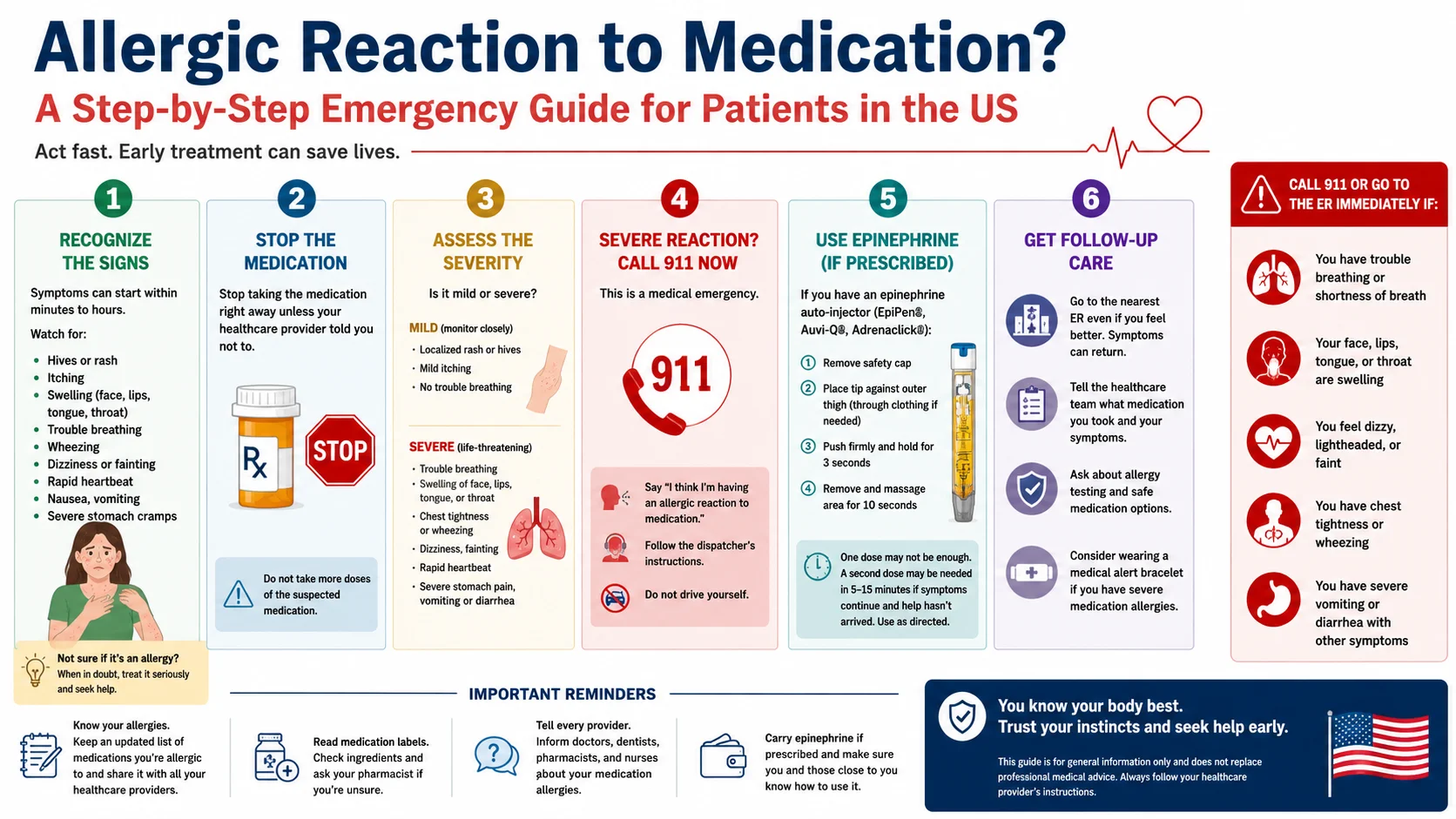
Both contain acrylates – chemicals that can cause allergic contact dermatitis (ACD). Symptoms include redness, itching, cracking, and peeling. In some cases, allergic reactions can be irreversible.
🔬 Gel Nails: Specific Concerns
- UV exposure – linked to skin aging and increased cancer risk.
- Nail weakening – studies show reduced key amino acids by 22–30%.
- TPO controversy – the EU recently banned a photoinitiator found in some gels.
🔬 Acrylic Nails: Specific Concerns
- Chemical exposure – formaldehyde measured at higher levels than gel.
- Nail thinning – can make natural nails weaker over time.
- Onycholysis – nail separation from the bed can lead to infection.
🌿 The healthier choice? Dermatologists generally suggest gel nails may be slightly less damaging than acrylics when applied and removed properly. However, the healthiest option is to give your nails regular breaks and always choose a licensed salon.
7. 💰 Cost and Maintenance
| Factor | Gel Nails | Acrylic Nails |
|---|---|---|
| Initial cost | More expensive | More affordable |
| Maintenance | Fills every 2–3 weeks | Fills every 2–3 weeks |
| Longevity | 2–3 weeks | 3–4 weeks |
| Removal cost | Soak-off removal | Filing and soaking required |
8. 🎯 Which One Should You Choose?
| Choose Gel Nails If… | Choose Acrylic Nails If… |
|---|---|
| You want a natural, flexible look | You want extreme strength and durability |
| You prefer odorless application | You want long, dramatic nails |
| You’re willing to pay more for a premium finish | You’re on a budget |
| You don’t mind UV exposure | You want to avoid UV light |
| You have naturally strong nails | You have weak or brittle nails |
🛍️ Shop Nail Care Essentials
Ready to elevate your nail game? Discover must-have tools, polishes, and treatments for salon-quality nails at home.
👉 Explore on AmazonFind top-rated strengtheners, base coats, and more.
🌟 Premium Nail Products
From strengtheners to glossy top coats, discover everything you need for beautiful, long-lasting nails.
✨ Shop NowCurated picks for healthy, gorgeous nails.
9. ❓ FAQs: Everything You Still Want to Know
The healthiest option is natural nails with regular polish. If you must choose between gel and acrylic, dermatologists suggest gel may be slightly less damaging when applied and removed properly. However, both carry risks. The key is to give your nails breaks between applications and always visit a licensed, hygienic salon.
Neither is completely “safe,” but gel nails are generally considered less damaging to natural nails than acrylics. However, gel nails come with UV exposure risks and potential allergic reactions. Acrylics involve stronger chemicals and more aggressive filing.
- UV exposure – linked to skin aging and cancer risk.
- Allergic reactions – acrylates can cause irreversible allergies.
- Nail damage – frequent use weakens nails.
- Harsh removal – acetone soaking can be drying.
- Higher cost – more expensive than acrylics.
Yes and no. Gel polish is applied over your natural nails like regular polish but cured under a lamp — it’s not a “fake nail” but an enhancement. However, gel extensions (like Gel-X) are artificial tips applied to extend the length. So gel nails can be either a polish enhancement or a full extension, depending on the type you choose.
You can, but experts strongly advise against at-home kits. Improper application or removal increases the risk of nail damage, infections, and allergic reactions. Always visit a licensed professional for the safest experience.
Gel nails: 2–3 weeks. Acrylic nails: 3–4 weeks with proper maintenance. Both require fills every 2–3 weeks as your natural nails grow out.
Gel nails are generally more expensive than acrylics. However, many find the natural look and odorless application worth the extra cost.
💭 Final Thoughts
Choosing between gel and acrylic nails ultimately comes down to your lifestyle, budget, and nail goals. If you want a natural, flexible look with minimal odor, gel is your best bet. If you need extreme strength and love dramatic lengths, acrylics are the way to go.
Remember: healthy nails are beautiful nails. Whether you choose gel or acrylic, always prioritize proper application, professional removal, and regular breaks to keep your natural nails strong and gorgeous.