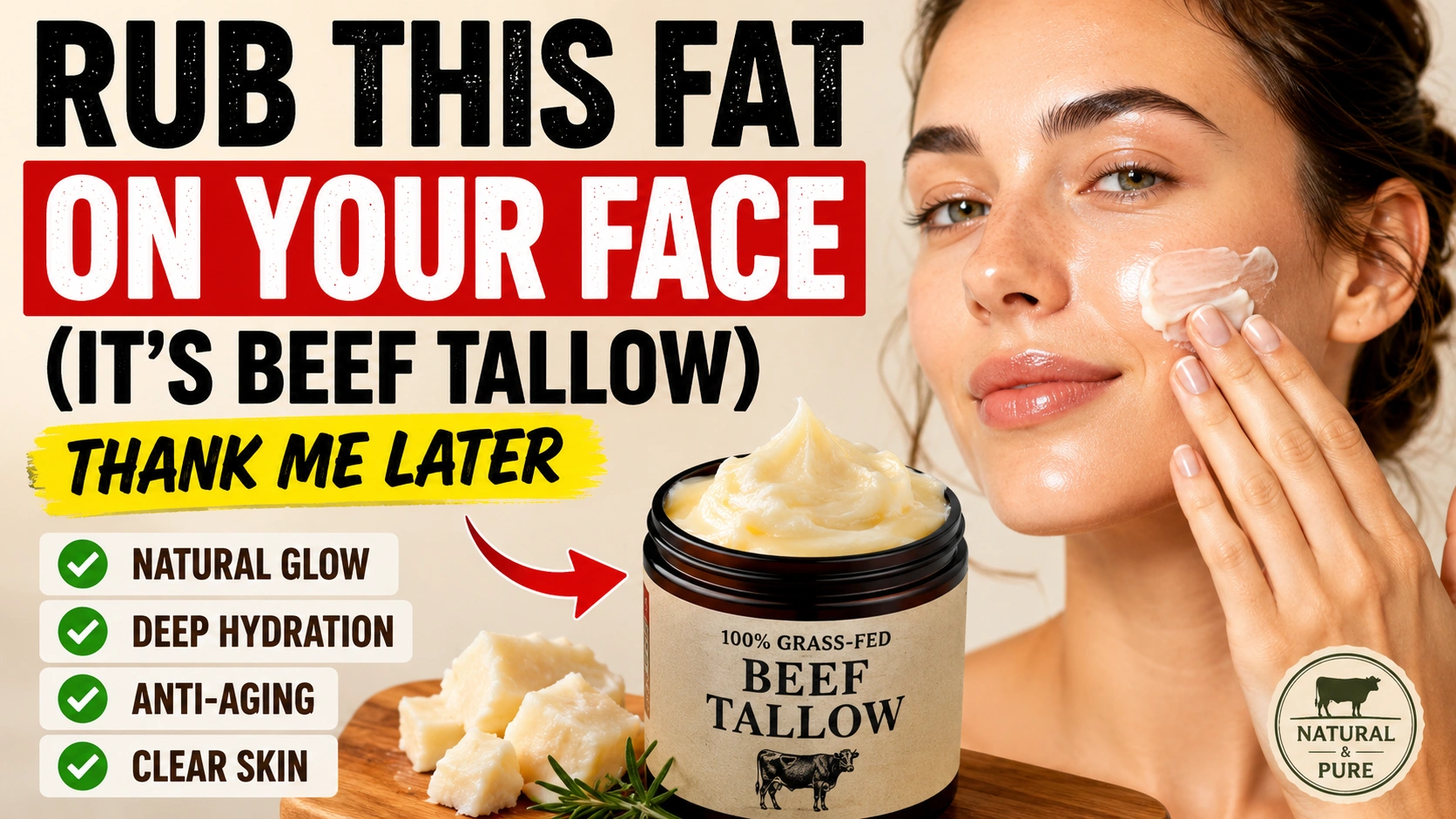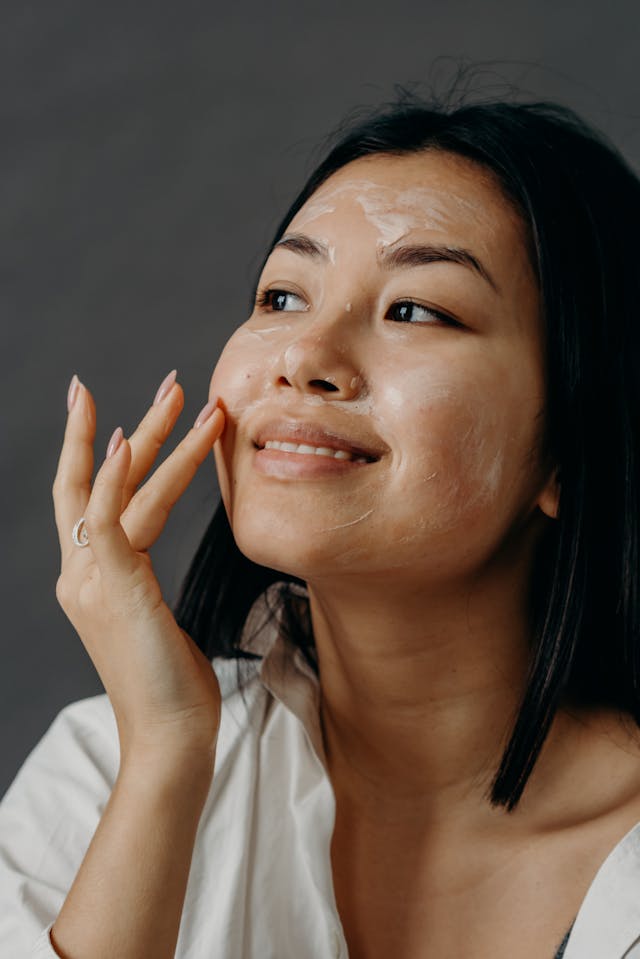
Beef tallow is not a reliable replacement for sunscreen. While some social media posts claim it offers natural sun protection, there’s no strong scientific evidence showing beef tallow provides consistent or adequate UV protection like a tested SPF product. For conditions such as lupus, where UV exposure can trigger flares and skin damage, medically tested sunscreen is especially important.
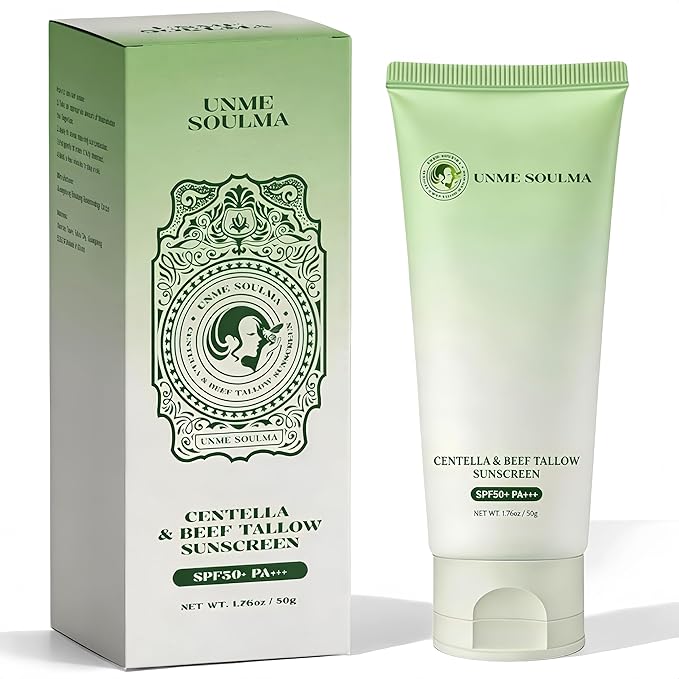
Centella Beef Tallow Sunscreen
🌿 Natural UV Protection
Affiliate Disclosure: As an Amazon Associate I earn from qualifying purchases. This product link goes to Amazon, and if you make a purchase, I may receive a small commission at no extra cost to you. This does not affect the price you pay or our product recommendations.
Medical & Legal Disclaimer: The information provided on this website is for general informational purposes only and does not constitute medical advice. Always consult with a qualified dermatologist or healthcare professional before changing your sun protection routine. The statements made about beef tallow sunscreen have not been evaluated by the FDA. This product is not intended to diagnose, treat, cure, or prevent any disease, including skin cancer. Individual results may vary. Your use of this product is solely at your own risk.
Editorial Disclaimer: This website participates in affiliate marketing programs. We only recommend products we have researched, but we cannot guarantee product quality, safety, or efficacy. Always read labels, patch test, and follow manufacturer instructions.
Prices and availability are accurate as of the date shown on Amazon.
Is Beef Tallow Better Than Sunscreen?
Beef tallow:
- Contains fats and fat-soluble vitamins like A, D, E, and K
- May help moisturize dry or irritated skin
- Some people use it as a natural skincare balm
But it does not:
- Provide verified broad-spectrum UVA/UVB protection
- Have standardized SPF testing
- Protect against long-term UV damage, skin aging, or skin cancer
A true sunscreen undergoes laboratory SPF and UVA testing. Beef tallow does not.
If someone enjoys beef tallow for moisturizing, it can sometimes be used alongside sunscreen — not instead of it.
What Sunscreen Is Best for Lupus?
People with lupus are often highly photosensitive, meaning UV light can worsen symptoms or trigger flares.
Dermatologists usually recommend:
Mineral (physical) sunscreens
These sit on top of the skin and reflect UV rays.
Best ingredients:
- Zinc oxide
- Titanium dioxide
Why they’re preferred for lupus:
- Broad-spectrum UVA/UVB protection
- Less irritating for sensitive skin
- Better tolerance in inflammatory skin conditions
Look for:
- SPF 50 or higher
- Broad-spectrum
- Fragrance-free
- Water-resistant if outdoors
Examples often recommended by dermatologists include:
- La Roche-Posay Anthelios Mineral SPF
- EltaMD UV Physical
- Blue Lizard Sensitive Mineral Sunscreen
- CeraVe Hydrating Mineral Sunscreen
What Is the Healthiest Sunscreen to Use?
The “healthiest” sunscreen is generally considered one that:
- Provides strong UVA and UVB protection
- Causes minimal irritation
- Has a good safety profile
- Encourages consistent daily use
Mineral sunscreens are commonly favored for sensitive skin
Active ingredients:
- Zinc oxide
- Titanium dioxide
Benefits:
- Less likely to sting or irritate
- Start protecting immediately after application
- Good for children and sensitive skin
Chemical sunscreens
Use ingredients like:
- Avobenzone
- Octocrylene
- Homosalate
Benefits:
- Often lighter and more invisible on skin
- Easier for darker skin tones cosmetically
Potential downsides:
- Can irritate sensitive skin in some people
- Some ingredients are under ongoing environmental and absorption research
Do Dermatologists Prefer Chemical or Mineral Sunscreen?
Most dermatologists say:
The best sunscreen is the one you will actually wear consistently.
That said:
Dermatologists often prefer mineral sunscreens for:
- Lupus
- Rosacea
- Eczema
- Sensitive skin
- Post-procedure skin
Chemical sunscreens may be preferred for:
- Sports and sweating
- Darker skin tones needing less white cast
- Daily wear under makeup
Many modern sunscreens also combine both mineral and chemical filters.
Key Takeaway
- Beef tallow may work as a moisturizer, but it is not a proven sunscreen
- For lupus and photosensitive conditions, broad-spectrum SPF 50+ sunscreen is strongly recommended
- Mineral sunscreens with zinc oxide are commonly considered the safest and gentlest option for sensitive skin
- Consistent sunscreen use, hats, UPF clothing, and shade are all important for lupus protection