For decades, the formula for staying awake was simple: sugar, caffeine, and a splash of artificial neon coloring. The modern energy drink became the crutch of the exhausted student, the overworked parent, and the graveyard-shift employee. Welcome to the war between the quick fix and the long game Adaptogen Drinks vs. Energy Drinks
But if you look at the beverage aisle today, a new competitor is stealing shelf space. It doesn’t promise a “sugar rush” or “extreme blast.” Instead, it whispers promises of balance, resilience, and calm focus.
The Old Guard: The Chemical Spike
Traditional energy drinks (like Monster, Red Bull, or Bang) operate on a simple physiological principle: stimulation. They flood your system with high doses of caffeine (often 150-300mg per can) and simple sugars.
The mechanism: These ingredients block adenosine (the chemical that makes you feel tired) and spike your blood glucose. The result is almost immediate. Within fifteen minutes, your heart rate increases, your pupils dilate, and you feel a wave of alertness.
The downside: What goes up must come down. The “crash” is the hallmark of the energy drink. When the caffeine and sugar metabolize, your blood sugar plummets and adenosine rebounds with a vengeance. You end up more tired than when you started. Long-term reliance can lead to adrenal fatigue, jitters, and insulin resistance.
The New Contender: The Stress Buffer
Adaptogen drinks take a radically different approach. Instead of forcing your engine to rev higher, they try to optimize how your engine handles stress.
Adaptogens are a class of herbs and mushrooms—such as Ashwagandha, Rhodiola Rosea, Lion’s Mane, and Reishi—that have been used in Ayurvedic and Chinese medicine for centuries. These ingredients help the body regulate cortisol (the stress hormone).
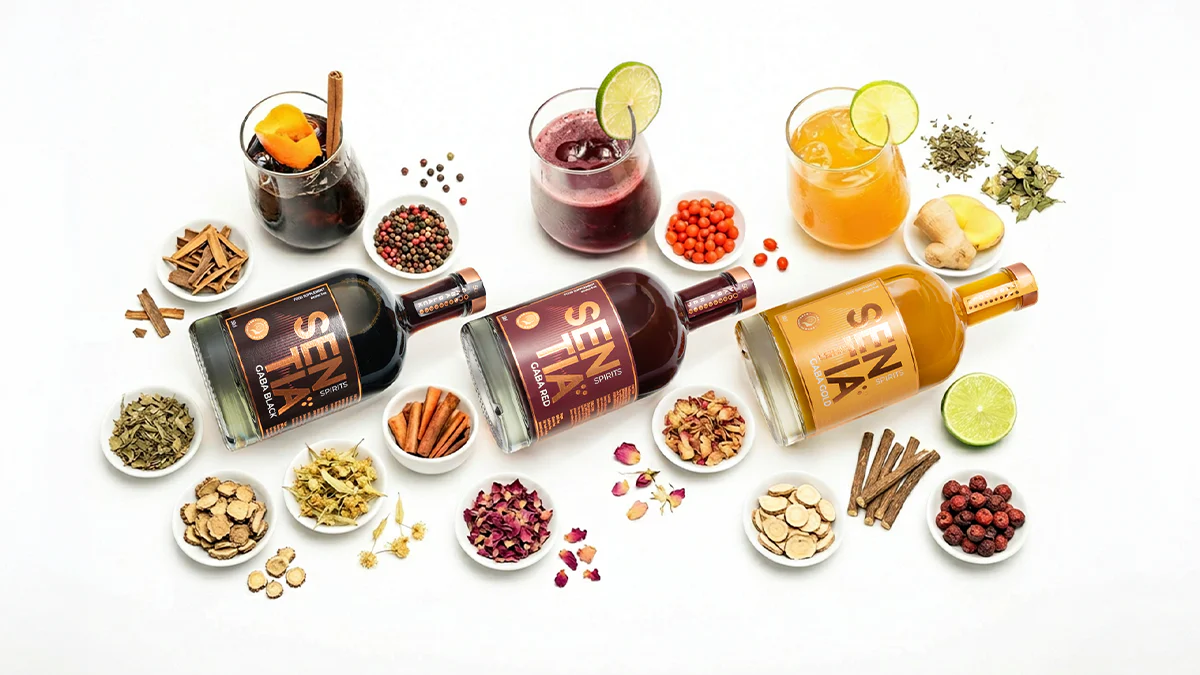
Black, Gold & Red Collection Free Shipping
The mechanism: When you drink an adaptogen-infused beverage (like Rasa, Four Sigmatic, or Recess), you aren’t getting a “hit.” You are getting a modulator. If you are wired and anxious, adaptogens help calm you down. If you are fatigued and foggy, they help lift the haze. This is called “homeostasis.”
The downside: Adaptogens are not magic bullets. They do not work instantly. To feel the effects of an adaptogen drink, you often need to consume them consistently over days or weeks. Furthermore, the “lift” you get from a mushroom latte is subtle compared to the explosive jolt of a Monster.
Head-to-Head Comparison
| Feature | Energy Drinks | Adaptogen Drinks |
|---|---|---|
| Speed | Immediate (15-20 min) | Gradual (30-60 min; builds over time) |
| The Feeling | Aggressive alertness, high heart rate | Calm focus, physical relaxation |
| The Crash | Severe crash; fatigue rebounds | No crash; gentle return to baseline |
| Sugar Content | Very high (30-60g per can) | Low to zero (naturally sweetened) |
| Primary Goal | Overcome sleep deprivation | Reduce stress & burnout |
| Health Risk | Heart palpitations, diabetes risk | Interactions with thyroid/BP meds* |
Always consult a doctor, as adaptogens can interact with certain pharmaceuticals.
Why the Shift is Happening
The rise of adaptogen drinks signals a cultural shift away from “hustle culture” and toward “wellness culture.”
The old model said: Work until you break, then drink this to patch the hole.
The new model says: The workload isn’t decreasing, so let’s change how your body reacts to it.
Gen Z and Millennials—who grew up mainlining energy drinks in college—are now dealing with chronic anxiety and sleep disorders. They are realizing that caffeine is a loan shark: it gives you energy now, but demands interest in the form of anxiety and exhaustion later.
Adaptogen drinks offer a different transaction: resilience.
The Verdict: Which One Should You Choose?
There is a time and place for both.
Choose an Energy Drink if: You are driving across the country at 2 AM, need to finish a last-minute deadline in the next 60 minutes, or are about to run a marathon. You need immediate horsepower.
Choose an Adaptogen Drink if: You are facing a 10-hour workday of high-stress meetings. You want to avoid the 3:00 PM slump. You are recovering from burnout. You want to think clearly without feeling “wired.”
The Bottom Line: Energy drinks turn you into a sprinting cheetah—fast, but needing to rest after the chase. Adaptogen drinks turn you into a migrating bird—steady, resilient, and capable of going the distance.
If you are tired of the boom-and-bust cycle of modern energy, it might be time to put down the can of lightning bolts and pick up a mushroom latte. Your adrenal glands will thank you.
Adaptogen Drinks vs. Energy Drinks:
You’ve read the debate. On one side: traditional energy drinks—fast, harsh, and followed by a brutal crash. On the other: adaptogen drinks—slow, balanced, but sometimes weak or unproven.
But what if a single product combined the best of both worlds? The ritual of coffee. The science of adaptogens. And zero of the jitters.
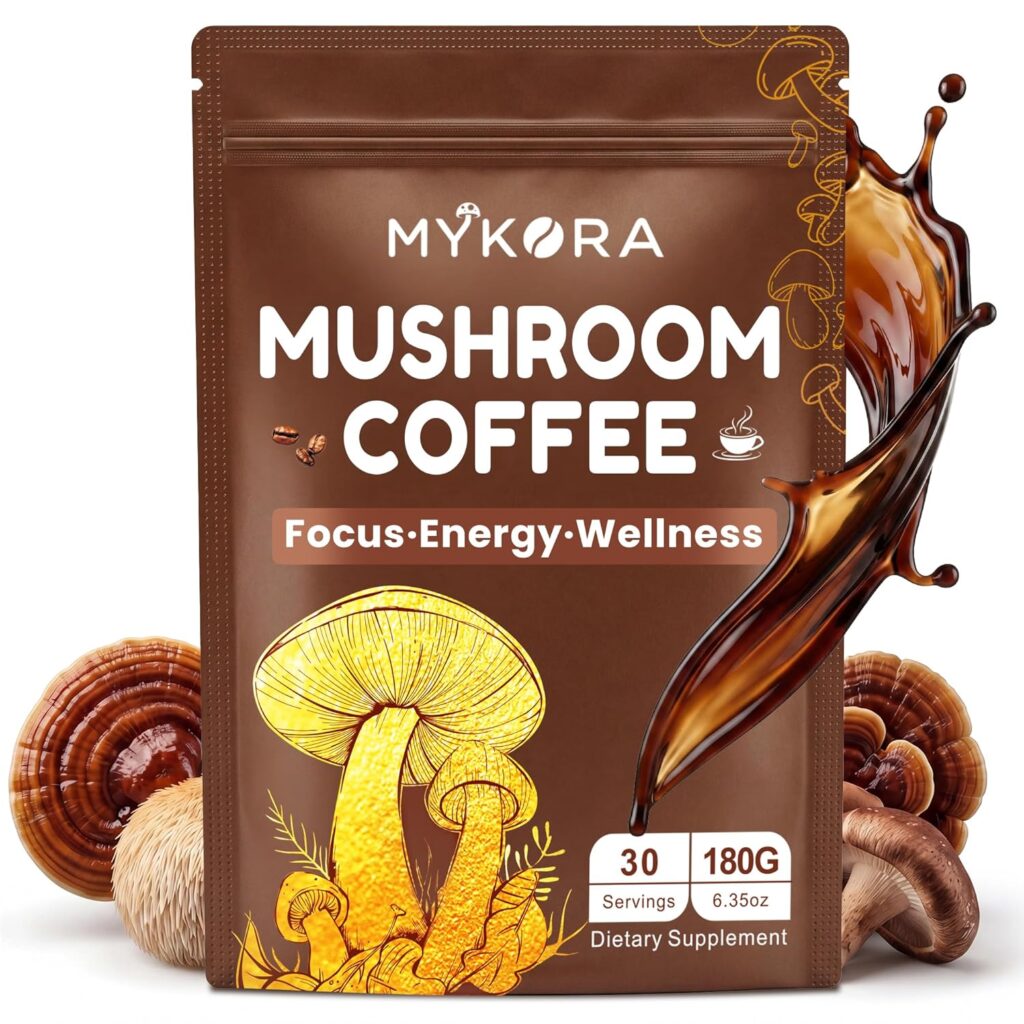
Meet MYKORA Mushroom Coffee – an organic, instant mushroom coffee that has already generated over $150,000 in Amazon sales. It’s not a trend. It’s a proven bestseller.
And now, creators can earn high commissions by sharing it.
The Problem: Energy Drinks Are a Loan Shark
As covered in our deep dive earlier, traditional energy drinks offer a bad deal:
- Spike then crash – blood sugar rollercoaster
- Jitters and anxiety – too much synthetic caffeine
- Long-term health risks – heart strain, insulin spikes, adrenal fatigue
Consumers are waking up. They want smooth, sustainable energy – not a panic attack in a can.
The Solution: Adaptogen Drinks That Actually Work
Not all adaptogen drinks are created equal. Some use homeopathic doses. Others taste like dirt.
MYKORA solves both problems by anchoring its formula in something familiar and beloved: premium organic Arabica coffee.
You still get the rich, roasty coffee experience. But instead of just caffeine, you get 2000mg of six functional mushrooms per serving.
What drink relaxes your brain?
Several drinks have scientifically supported calming effects on the nervous system. The best ones work by either boosting GABA (the brain’s primary inhibitory neurotransmitter) or lowering cortisol.
Top brain-relaxing drinks:
| Drink | Key Active Compound | Mechanism | Evidence |
|---|---|---|---|
| Matcha / L-theanine tea | L-theanine (amino acid) | Increases GABA, serotonin, and dopamine; promotes alpha brain waves (relaxed alertness) | Multiple human RCTs; reduces stress without drowsiness |
| Chamomile tea | Apigenin (flavonoid) | Binds to benzodiazepine receptors (mild, safe) | Well-studied for generalized anxiety disorder (GAD) |
| Ashwagandha latte | Withanolides (adaptogen) | Lowers cortisol, modulates GABA receptors | Shown to reduce stress and insomnia in 8-week trials |
| Reishi mushroom tea | Triterpenes & polysaccharides | GABAergic activity; also lowers cortisol | Traditional use + emerging human studies on fatigue and calm |
| Magnesium-based drinks (e.g., Natural Calm) | Magnesium glycinate/citrate | Regulates NMDA receptors, reduces neuronal excitability | Proven for mild anxiety and muscle relaxation |
Best overall for pure relaxation without sedation: Chamomile tea or L-theanine-infused drinks.
Best for daytime calm + focus: Matcha (contains L-theanine + low caffeine).
What is the most powerful adaptogen?
There is no single “most powerful” because adaptogens target different systems. However, based on clinical research and traditional use, three stand out as potent for specific purposes:
1. Most powerful for stress & cortisol reduction: Ashwagandha
- Why: Multiple randomized trials show it reduces serum cortisol by 15–30% within 60 days. It also improves sleep quality, reduces anxiety, and lowers perceived stress.
- Dose: 300–600 mg of root extract (withanolides standardized to 5% or higher).
- Note: Too powerful for some – can cause thyroid elevation or sedation.
2. Most powerful for mental fatigue & focus: Rhodiola Rosea
- Why: Acts quickly (within hours to days) to reduce burnout-related fatigue, improve attention, and increase mental stamina during high-pressure tasks. It modulates monoamines (dopamine, serotonin) and stress peptides.
- Dose: 200–400 mg of standardized extract (3% rosavins + 1% salidroside).
- Note: Can be overly stimulating if taken late in the day.
3. Most powerful for physical stamina & ATP production: Cordyceps militaris
- Why: Increases cellular energy (ATP) and oxygen utilization. Used by elite athletes and in traditional Chinese medicine for fatigue recovery.
- Dose: 500–1500 mg daily.
- Note: Less direct effect on anxiety or sleep; primarily for energy.
Overall “most powerful” for general stress resilience:
Ashwagandha wins for sheer cortisol-lowering effect and broad application. But if you need cognitive performance under pressure, Rhodiola is stronger. If you need physical recovery, Cordyceps.
⚠️ Important: “Powerful” also means potential side effects and interactions. Ashwagandha, for example, should be avoided in hyperthyroidism, pregnancy, and with sedatives. Always start with a low dose.
2000mg Adaptogenic Mushroom Blend – Clinically Relevant Doses
Many mushroom coffees hide 50mg of “proprietary blend” in fine print. MYKORA delivers a full 2 grams of organic mushrooms per cup:
| Mushroom | Function | Evidence |
|---|---|---|
| Lion’s Mane | Focus & clarity | Supports nerve growth factor (NGF); human studies show improved cognitive performance |
| Reishi | Calm balance | Lowers cortisol; reduces stress without sedation |
| Cordyceps | Stamina & vitality | Increases ATP production; used by athletes |
| Turkey Tail | Gut & immune support | High in prebiotic polysaccharides (PSK) |
| Shiitake | Everyday immunity | Rich in beta-glucans |
| King Trumpet | Digestive wellness | Natural erinacines for gut-brain axis |
Smoother Energy, Fewer Jitters
Because the mushrooms modulate how your body responds to caffeine, you get:
- No adrenaline spike → no jitters
- Steady 4-6 hours of alertness → no 2 PM crash
- Mental clarity, not just wakefulness → perfect for deep work
Organic, Clean & Lifestyle-Friendly
- USDA organic mushrooms
- Clean MCT oil for brain fuel
- Vegan, gluten-free, no artificial anything
Instant, Easy, Delicious
Just add hot water. Or iced water. Or your favorite milk. One scoop, one mug, zero fuss.
A Word on Safety (From Our Previous Deep Dive)
MYKORA is safe for most adults. But as discussed earlier:
- Pregnant/breastfeeding? Avoid (no safety data on high-dose mushrooms)
- Autoimmune conditions? Consult your doctor (mushrooms modulate immunity)
- Low blood pressure or blood thinners? Reishi can affect both – ask your physician
- Diabetics? MYKORA is unsweetened (0g sugar), but monitor blood sugar closely as cordyceps and lion’s mane may lower glucose. Do not replace diabetes meds.
Always check with a healthcare provider before starting any adaptogen routine.
☕ MYKORA Mushroom Coffee
Do not use this product if you are: pregnant, nursing, have an autoimmune disorder (e.g., lupus, rheumatoid arthritis, Hashimoto’s), thyroid disease, low blood pressure, or are taking blood thinners, sedatives, or diabetes medication. If you have diabetes, monitor blood sugar closely as mushrooms may lower glucose levels.
Always consult a qualified healthcare professional before adding any functional mushroom or adaptogen product to your routine, especially if you have a pre‑existing condition or take prescription medications. Individual results may vary. This product is not intended to diagnose, treat, cure, or prevent any disease.
*Based on verified Amazon sales data. ‘Smoother energy’ refers to consumer reported reduced jitters compared to traditional energy drinks.
1. Do adaptogen drinks actually work?
Short answer: Yes, but with important caveats. They work differently and more subtly than pharmaceuticals or caffeine.
The evidence: Several adaptogens have clinical backing, primarily for stress, fatigue, and cognitive function.
- Rhodiola Rosea: Multiple randomized controlled trials show it reduces mental fatigue and improves attention during stressful tasks (e.g., exam periods, night shifts). Effects can appear within hours to days.
- Ashwagandha: Well-studied for lowering cortisol (the primary stress hormone). A 2019 study found that 600mg/day significantly reduced stress and insomnia. However, effects typically take 2–4 weeks of consistent use.
- Lion’s Mane: Early human trials (small sample sizes) suggest it may improve mild cognitive impairment and nerve growth factor synthesis, but most evidence is preclinical.
Why people think they don’t work:
- No “hit” sensation. Unlike energy drinks, adaptogen drinks won’t jolt you awake. If you expect a Red Bull replacement, you’ll be disappointed.
- Inconsistent formulations. Many canned adaptogen drinks contain very low, near-homeopathic doses. Check labels for standardized extracts (e.g., “Ashwagandha root extract 300mg”).
- Individual variability. Some people are non-responders due to genetics or gut microbiome differences.
Verdict: Adaptogen drinks can work for reducing stress-related fatigue and promoting calm alertness, but they are not acute stimulants. Look for third-party tested brands with meaningful dosages.
2. Who should not drink adaptogens?
Adaptogens are generally safe, but several groups should avoid them or consult a doctor first.
| Condition / Situation | Reason / Specific Adaptogen of Concern |
|---|---|
| Pregnancy or breastfeeding | Insufficient safety data. Ashwagandha, in particular, may induce uterine contractions in high doses. |
| Autoimmune diseases (RA, lupus, MS, Hashimoto’s) | Adaptogens like Ashwagandha, Rhodiola, and Reishi can stimulate the immune system, potentially worsening disease activity. |
| Thyroid disorders (especially hyperthyroidism) | Ashwagandha increases thyroid hormone production (shown in studies to raise T4). Hyperthyroid patients could experience palpitations, heat intolerance, or worsening symptoms. |
| Low blood pressure (hypotension) | Many adaptogens (e.g., Reishi, Schisandra) have mild blood-pressure-lowering effects. Combined with BP meds, they may cause dizziness or fainting. |
| On sedatives or sleep meds | Adaptogens like Reishi and Ashwagandha have GABAergic properties – they can enhance the effect of benzodiazepines, zolpidem, or alcohol, causing excessive drowsiness. |
| Scheduled for surgery | Stop adaptogens at least 2 weeks prior. Several affect blood pressure, bleeding risk (Reishi has antiplatelet effects), or anesthesia interactions. |
| Hormone-sensitive cancers (breast, prostate, ovarian) | Some adaptogens (e.g., Ashwagandha, Maca) may theoretically influence estrogen or testosterone pathways. Avoid unless oncologist approves. |
General rule: If you take any prescription medication (especially for thyroid, blood pressure, diabetes, or mental health), consult a doctor or clinical herbalist before starting adaptogens.
3. Are adaptogens safe for diabetics?
Mixed answer: Some adaptogens may benefit blood sugar control, but others pose risks, especially when combined with diabetes medications.
Potentially beneficial for Type 2 diabetics:
- Ginseng (American/Panax): Several studies show it improves fasting blood glucose and post-meal insulin sensitivity. However, it can lower blood sugar significantly – dose adjustment of metformin or insulin may be needed.
- Cinnamon (not strictly an adaptogen but often blended): Modest evidence for lowering HbA1c.
- Fenugreek: Helps with glucose uptake.
Risky or caution-required adaptogens for diabetics:
- Ashwagandha: Can lower blood glucose significantly. A 2015 study found it reduced fasting blood sugar by 12% in diabetics. Combined with insulin or sulfonylureas, this can cause hypoglycemia (dangerously low blood sugar: sweating, confusion, seizure).
- Rhodiola: May influence glucose metabolism and increase insulin sensitivity – again, potential for hypoglycemia.
Critical warnings for diabetics:
- Never replace prescribed diabetes medication with adaptogens.
- Monitor blood sugar closely when starting any adaptogen drink – especially if you use insulin or glipizide/metformin.
- Watch for hidden sugars. Many commercial adaptogen drinks add cane sugar, agave, or fruit juice. Always read labels; “healthy” adaptogen sodas can have 10–20g sugar per can.
- Kidney disease caution: Many diabetics have chronic kidney disease. Adaptogens like Reishi mushroom are high in oxalates and potassium – problematic for advanced CKD.
Verdict for diabetics:
Generally safe with medical supervision if using unsweetened or low-sugar adaptogen drinks (e.g., pure mushroom coffee, stevia-sweetened blends). Avoid if you have frequent hypoglycemic episodes. Check blood sugar 1–2 hours after first few doses.
Adaptogens are not fakes, but they are also not one-size-fits-all. For a healthy person dealing with daily stress or mild fatigue, they offer a real, side-effect-light alternative to energy drinks. But if you fall into any of the high-risk groups above, a “natural” label does not mean safe – always consult a physician
General Health Disclaimer – Adaptogens & Relaxing Drinks
The information provided about adaptogens (including Ashwagandha, Rhodiola Rosea, Cordyceps, Reishi, Lion’s Mane, and others) and relaxing beverages (such as chamomile tea, matcha, L‑theanine drinks, magnesium supplements, etc.) is for educational and informational purposes only. It is not a substitute for professional medical advice, diagnosis, or treatment.
Important safety considerations:
- Not one‑size‑fits-all – Individual responses to adaptogens vary widely based on genetics, health status, medications, and dosage.
- Potential drug interactions – Adaptogens can interact with:
- Thyroid medications (Ashwagandha may increase thyroid hormone)
- Blood pressure drugs (Reishi, Cordyceps may lower BP)
- Diabetes medications (many adaptogens lower blood glucose)
- Sedatives, benzodiazepines, or alcohol (Reishi, Ashwagandha have GABAergic effects)
- Blood thinners (Reishi has antiplatelet properties)
- Medical conditions to watch – Avoid or consult a doctor before using adaptogens if you have:
- Autoimmune disease (lupus, rheumatoid arthritis, Hashimoto’s, multiple sclerosis)
- Thyroid disorder (especially hyperthyroidism)
- Low blood pressure (hypotension)
- Bleeding disorder or upcoming surgery
- Hormone‑sensitive cancer (breast, prostate, ovarian)
- Severe anxiety or panic disorder (some adaptogens may initially overstimulate)
- Pregnancy & breastfeeding – Most adaptogens lack safety data and should be avoided unless specifically approved by an obstetrician.
- Start low, go slow – Even “natural” supplements can cause side effects: digestive upset, insomnia (if taken late), headaches, or vivid dreams. Begin with half the recommended dose.
- Not a cure – Adaptogens are not intended to diagnose, treat, cure, or prevent any disease. They are complementary tools for stress resilience, not replacements for prescribed medications or therapy.
For the specific relaxing drinks mentioned:
- Chamomile tea – Avoid if allergic to ragweed or taking blood thinners (warfarin).
- Matcha / L‑theanine – Contains caffeine; may cause jitters in sensitive individuals. Not for children or pregnant women in high doses.
- Magnesium drinks – Excessive magnesium can cause diarrhea, low blood pressure, or cardiac issues in kidney disease.
You are responsible for your health.
Always consult a qualified healthcare professional (doctor, clinical herbalist, or pharmacist) before adding adaptogens or functional mushrooms to your routine, especially if you take prescription medications, have a chronic condition, or are planning surgery.
If you experience chest pain, difficulty breathing, severe dizziness, or signs of an allergic reaction (hives, swelling, difficulty swallowing), seek emergency medical attention immediately