
Assistant Professor, Osmania University, with 27+ years of experience in plant biotechnology, molecular genetics, cytogenetics, and scientific research.
For decades, the ritual of unwinding with a drink meant accepting a trade-off: relaxation now, hangover later. But a new science of social drinking is quietly reshaping nightlife and wellness routines alike. Enter the rise of functional spirits—alcohol-free, mood-friendly beverages designed by neuroscientists to deliver calm, focus, and better social energy without the morning-after regret. Can Functional Spirits Replace Alcohol?
Functional drinks are beverages designed to provide benefits beyond basic hydration or taste. They usually contain added ingredients that may support energy, relaxation, focus, digestion, immunity, sleep, hydration, or overall wellness.
Common functional ingredients include:
- Vitamins and minerals
- Adaptogens like ashwagandha or ginseng
- Botanicals and herbal extracts
- Probiotics and prebiotics
- Amino acids such as L-theanine or GABA
- Electrolytes
- Nootropics for focus and cognition
- Protein or collagen
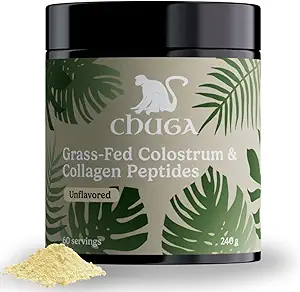
Functional unwind
Collagen Peptide & Plant Adaptogens
Disclosure: As an Amazon Associate, we earn from qualifying purchases. The link above is an affiliate link, which means we may receive a small commission if you make a purchase—at no additional cost to you. This helps support our editorial and research efforts.
Disclaimer – Botanical research & wellness notice: This product is a dietary supplement / functional beverage ingredient. Statements regarding plant adaptogens and relaxation have not been evaluated by the FDA. This product is not intended to diagnose, treat, cure, or prevent any disease. Always consult a qualified healthcare provider before adding any new supplement to your routine, especially if you are pregnant, nursing, or taking medication.
Popular categories of functional drinks include:
- Energy drinks
- Sports and electrolyte beverages
- Kombucha and probiotic drinks
- Protein shakes
- Relaxation beverages
- Cognitive or “brain health” drinks
- Botanical alcohol alternatives
The Sobriety Curve: Can Functional Spirits Really Replace Alcohol?
For centuries, the ritual of “having a drink” has been a social cornerstone. A glass of wine to unwind, a cocktail to kick off the weekend, a whiskey to take the edge off a hard day. Alcohol is the world’s oldest social lubricant. But it comes with a brutal ledger: hangovers, impaired judgment, liver damage, and addiction.
Enter the challenger. Walking the shelves of trendy liquor stores and dry-January pop-ups is a new category of beverage known as functional spirits. Bottles that look like gin, taste like bitters, and promise the relaxation of a glass of wine—without the intoxication.
But can a drink that doesn’t get you drunk actually replace the one that does?
What Exactly is a Functional Spirit?
Unlike standard non-alcoholic beers or sodas, functional spirits are designed with intent. They are complex, bitter, and botanical—meant to be sipped neat or mixed into mocktails. But the key difference lies in the ingredients.
Instead of ethanol, these bottles contain adaptogens (like ashwagandha and rhodiola), nootropics (like L-theanine), and botanicals (like passionflower or skullcap). Brands like Kin Euphorics, Recess, Three Spirit, and Apothekary are leading the charge, claiming to offer specific mood-altering benefits: relaxation, energy, focus, or euphoria.
They are not psychoactive in the way alcohol is. You won’t slur your words or lose your inhibitions. But proponents argue they provide the targeted effect—calm without the sedation, joy without the jitters.
The Mechanism: Alcohol vs. Adaptogens
To understand if a replacement is possible, you have to look at the science.
Alcohol works by binding to GABA receptors in the brain, acting as a depressant. It slows down your central nervous system, which is why it reduces anxiety initially. However, it triggers a rebound effect as it metabolizes, leading to increased cortisol (stress hormone) and poor sleep quality.
Functional spirits take a different route. Adaptogens help the body “resist” stress by modulating the HPA axis (hypothalamic-pituitary-adrenal axis). L-theanine (found in green tea) promotes alpha brain waves, creating a state of “alert calm.” These ingredients don’t hijack your nervous system; they support your body’s natural ability to regulate itself.
In short: Alcohol gives you borrowed happiness with high interest. Functional spirits offer a small, sustainable dividend.
The Social Ritual: The Placebo of the Glass
The biggest hurdle for functional spirits isn’t biological—it’s psychological.
Humans are creatures of ritual. The clink of a glass, the bitter bite of a Negroni, the act of pouring a liquid into a crystal tumbler—these cues tell your brain it is time to relax.
Studies in behavioral psychology show that ritualistic behavior can enhance the perceived efficacy of a substance, a phenomenon known as the “placebo effect.” If you drink a functional spirit expecting to feel calm, you likely will.
However, functional spirits fail to replicate one crucial aspect of alcohol: disinhibition.
Alcohol lowers your prefrontal cortex’s control. That slightly reckless, unfiltered version of yourself at a party? That is chemically induced. Functional spirits do not provide that. You will not become funnier, braver, or more flirtatious by drinking a can of Recess. For many social drinkers, that is a dealbreaker.
The Verdict: Replacement or Reduction?
Can functional spirits replace alcohol? The answer depends entirely on why you drink.
- For the escape: If you drink to turn off your brain, to numb anxiety, or to lose control, no functional spirit will ever satisfy you. They are not intoxicants; they are tonics.
- For the ritual and wellness: If you drink to unwind after work, to enjoy complex flavors with dinner, or to transition into a relaxed state before bed, yes, they can absolutely replace alcohol. In fact, they are superior because they don’t disrupt your sleep or raise your heart rate.
- For the flavor: For the bitter lovers and amaro enthusiasts, functional spirits are a fascinating new frontier. They offer the complexity of a high-end cocktail without the metabolic tax.
The Future Is “Sober Curious”
We are unlikely to see a world where functional spirits replace wine at Italian restaurants or tequila at college parties. The demand for intoxication is too primal and too profitable.
However, we are entering the era of liquor cabinet plurality. The future isn’t a choice between being drunk or being sober. It is a spectrum.
Functional spirits are not a cure-all, but they are a critical tool. They offer a life raft for the “sober curious”—the millions who don’t have a drinking problem but feel the creeping health toll of a nightly glass of wine.
They succeed not by mimicking the buzz of alcohol, but by offering a different question entirely. Instead of asking, “How can I feel less?” they ask, “How can I feel better?”
For a growing number of people, that is an upgrade worth toasting.
These botanical brain drinks, often powered by GABA-boosting ingredients and adaptogens, are becoming the wellness alternative to wine and cocktails. From stress relief to social ease, consumers are swapping traditional alcohol for functional GABA beverages that support relaxation naturally, allowing you to sip smarter and feel truly connected. Inside this shift, neuroscientists are rethinking relaxation itself: rather than sedating the nervous system like ethanol, these botanical spirits aim to help you unwind without compromise—clean, repeatable, and designed for the modern wellness seeker.
So, as mindful drinking trends take center stage in 2026, the question is no longer if people want a better way to relax, but whether functional spirits can truly replace alcohol at the heart of social life.
Examples of benefits brands often promote:
- Better focus and mental clarity
- Stress support and relaxation
- Improved sleep quality
- Gut health support
- Faster recovery after exercise
- Calm socializing without alcohol
For example, functional spirits are alcohol-free or low-alcohol botanical drinks formulated with ingredients like GABA-supporting compounds, herbs, or adaptogens to help people relax and socialize without traditional alcoholic effects.
Disclaimer
The information provided in this article is for educational purposes only and is not intended as medical advice. Some links may be affiliate links, which means we may earn a commission at no additional cost to you if you make a purchase. All opinions expressed are based on research, editorial review, and available information at the time of publication.