Introduction
Walk down the cookware aisle in 2026 and you’ll find roasting pans in three primary materials: stainless steel, aluminum, and ceramic. Each promises even heating, durable construction, and a golden-brown turkey. But they deliver very different results in practice—and choosing the wrong one can mean the difference between crispy skin and soggy bird, easy cleanup or an hour of scrubbing.
The stakes are higher than they seem. A roasting pan is a once-or-twice-a-year purchase for most households, but it needs to perform when it counts. Professional chefs consistently recommend heavy-gauge stainless steel, cast iron, or anodized steel for serious roasting, while cautioning against flimsy disposable aluminum pans for anything beyond reheating. Yet aluminum and ceramic both have legitimate strengths that make them worth considering for specific cooks.
This guide breaks down how each material heats, browns, and holds up over time—so you can choose the pan that matches how you actually roast.
Select us as a preferred source in Google:
The Short Answer: Which Material Wins
Stainless steel with an aluminum core (tri-ply construction) is the best material for roasting pans in 2026. It combines aluminum’s excellent heat conductivity with stainless steel’s durability and stovetop compatibility. America’s Test Kitchen and Serious Eats have repeatedly ranked tri-ply stainless pans at the top of their roasting pan tests, praising their even browning, ability to build fond for gravy, and resistance to warping.
Aluminum is the best pure heat conductor—it heats faster and more evenly than stainless steel alone. But bare aluminum is reactive to acidic ingredients and prone to warping. Anodized aluminum solves the reactivity problem but still lacks stainless steel’s durability and stovetop versatility.
Ceramic excels at easy cleanup and even, gentle heat distribution. But ceramic-coated pans don’t produce the same deeply caramelized fond that makes great gravy, and the coating degrades over time—typically within three years with regular use. Solid ceramic stoneware is even slower to heat and unsuitable for stovetop use.
The verdict: If you want one pan that browns well, makes gravy, and lasts for decades, buy tri-ply stainless steel. If convenience matters more than browning, ceramic is a reasonable alternative. Aluminum is best as a component within clad cookware rather than as a standalone roasting pan.
Stainless Steel: The All-Around Performer
How It Heats
Stainless steel alone is a poor heat conductor. That’s why high-quality stainless roasting pans use clad construction—typically tri-ply, with an aluminum or copper core sandwiched between layers of stainless steel. The aluminum core does the conductive work; the stainless exterior provides durability and a non-reactive cooking surface.
Serious Eats found that clad stainless pans produced “supremely caramelized potatoes and a golden brown chicken” with rounded corners that made whisking pan sauces easy. The flat cooking surface allows for even browning across the entire pan, and the pan can go from oven to stovetop for deglazing and gravy-making.
The Browning Advantage
Stainless steel’s ability to develop fond—the browned bits of protein and sugar that stick to the pan—is its greatest strength for turkey. That fond is the foundation of rich, flavorful gravy. Nonstick surfaces (including ceramic) prevent this buildup, which is why Serious Eats noted that ceramic pans “prevent proteins and sugars from adhering and browning into a true fond.”
Durability and Versatility
A well-made tri-ply stainless pan can last decades. It’s oven-safe to high temperatures, broiler-safe, and compatible with all stovetops including induction. It won’t chip, peel, or degrade like coated surfaces. The trade-off is cleanup: bare stainless requires soaking and scrubbing, especially after roasting a turkey.
Tri-Ply Stainless Steel Roasting Pan with Rack
The all-around performer for browning, gravy, and long-term value
This heavy-gauge tri-ply stainless steel roasting pan delivers the even heating and fond-building performance that chefs recommend. The aluminum core ensures consistent browning, while the stainless exterior resists warping and is stovetop-safe for gravy. Includes a sturdy rack that elevates the bird for airflow underneath.
Pros: Even tri-ply heating, stovetop-safe for deglazing and gravy, durable for decades
Cons: Not nonstick; requires soaking and hand washing
Capacity: Fits a standard turkey (16–20+ pounds depending on model)
 Check Price on Amazon
Aluminum: The Heat Conductor
How It Heats
Aluminum is the best heat conductor among common cookware materials. It heats quickly and distributes heat evenly, which is why it’s used as the core in high-end clad stainless pans. King Arthur Baking found that dark aluminum pans produced the crispiest, most evenly browned crusts in their testing, outperforming glass and ceramic.
The Reactivity Problem
Bare aluminum reacts with acidic ingredients like vinegar, tomato products, and citrus, which can darken, pit, or corrode the pan over time. For turkey roasting, this isn’t a major concern unless you’re using acidic marinades or glazes. But it limits the pan’s versatility for other cooking tasks.
Warping and Durability
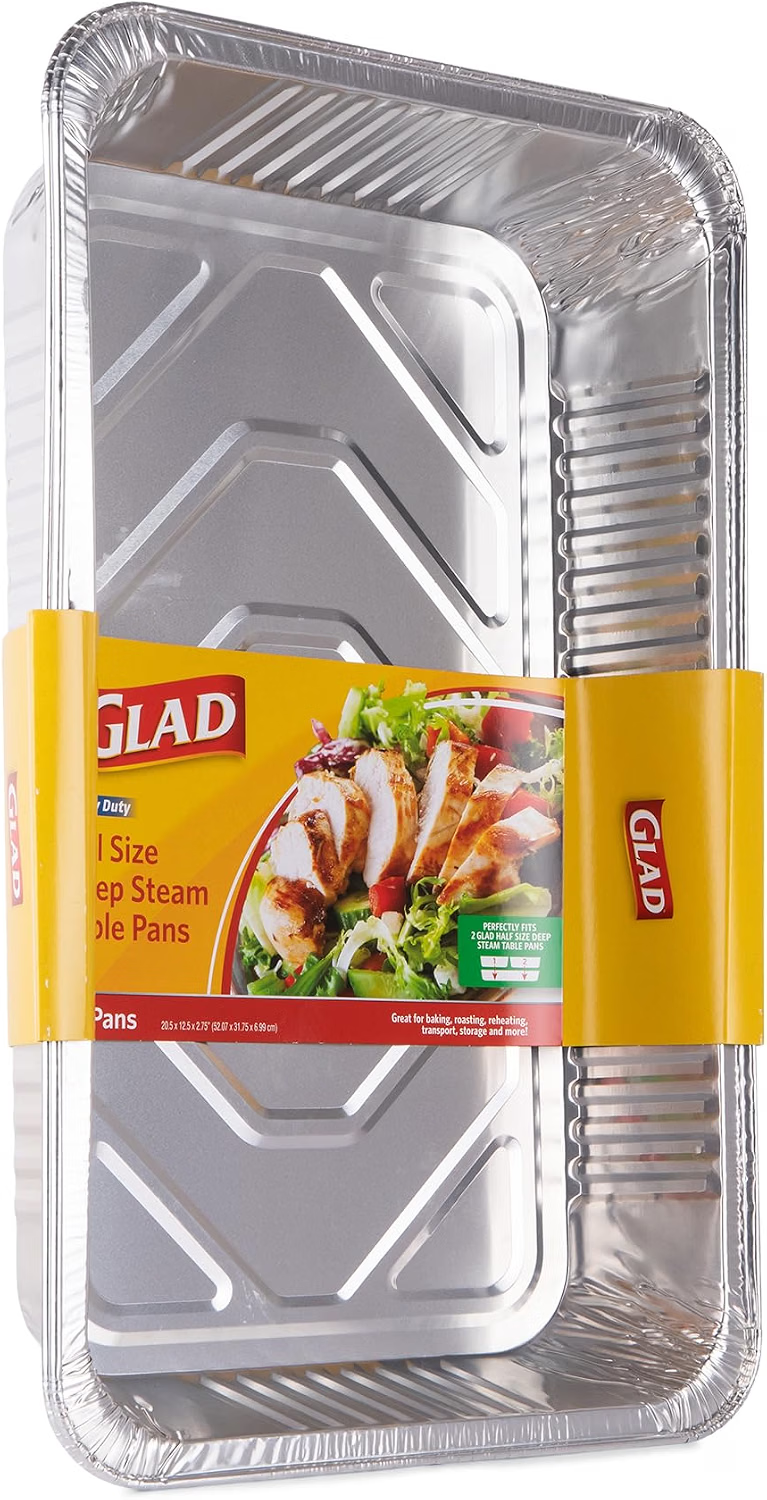
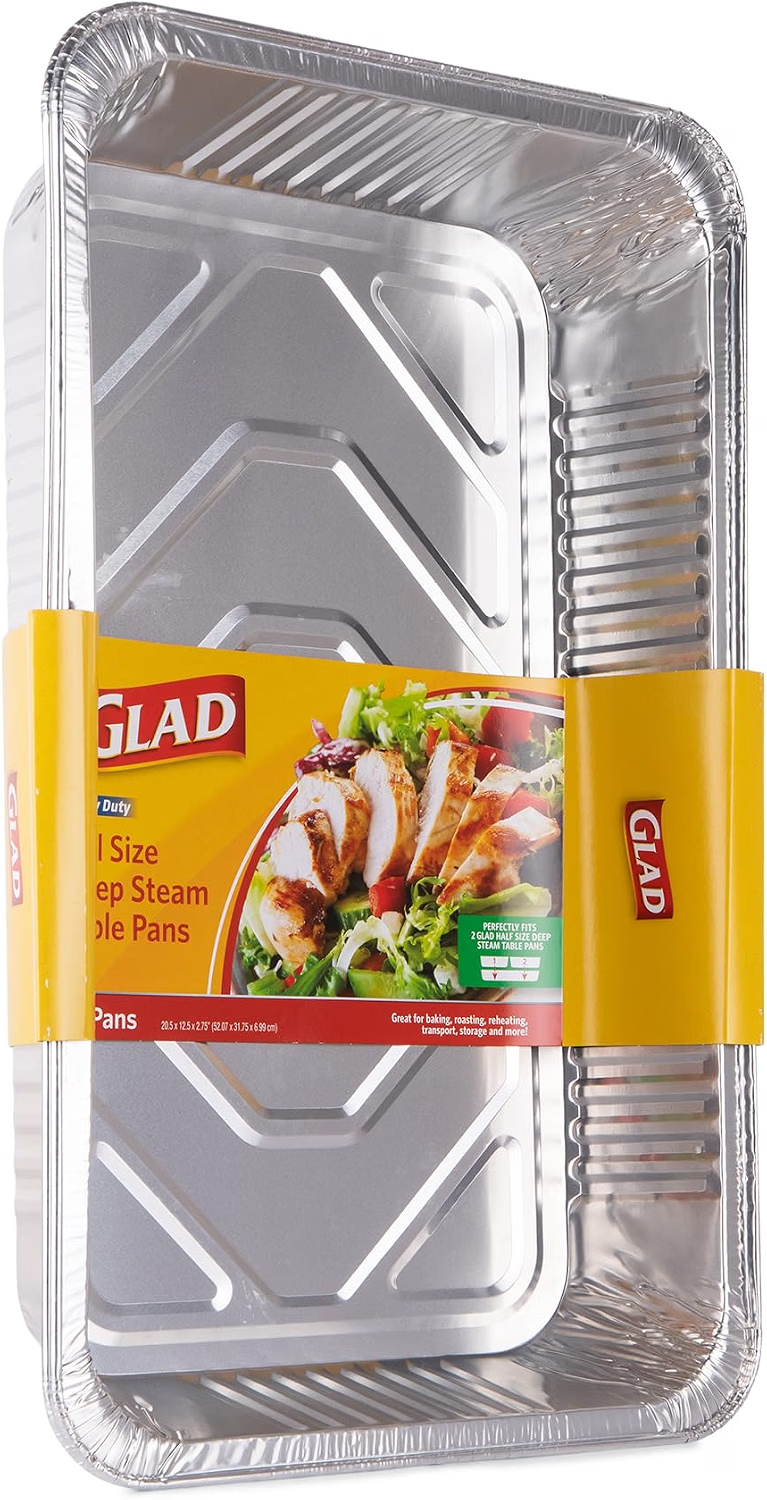
Thin aluminum pans warp easily under high heat. Anodized aluminum—treated electrochemically to harden the surface—resists warping better and is non-reactive, but it’s still less durable than stainless steel. Disposable aluminum pans are convenient but too flimsy for serious roasting; chefs recommend them only for reheating or keeping food warm.
When Aluminum Makes Sense
Aluminum works best as part of a clad construction (stainless-aluminum-stainless) rather than as a standalone roasting pan. If you’re buying a dedicated aluminum roaster, choose a heavy-gauge anodized model and avoid acidic ingredients.
Ceramic: The Easy-Cleanup Option
How It Heats
Ceramic—whether solid stoneware or a ceramic coating over aluminum—heats gently and evenly, with no hot spots. This makes it excellent for casseroles, braises, and baked dishes. For turkey, however, ceramic’s slower heat transfer means less aggressive browning on the bird’s underside and edges compared to metal pans.
Serious Eats tested the Caraway ceramic-coated roasting pan and found it “heated evenly” and produced “moist, well-browned chicken,” but noted the slick surface prevented true fond development. The pan was oven-safe to 550°F and stovetop-compatible, including induction.
The Cleanup Advantage
Ceramic’s standout feature is effortless release. A quality ceramic coating keeps drippings and grease from sticking, making hand-washing quick and easy. Many ceramic pans are dishwasher-safe. For cooks who dread post-Thanksgiving scrubbing, this is a genuine quality-of-life improvement.
The Durability Limitation
Ceramic coatings wear over time. Unlike stainless steel, which can last decades, ceramic-coated pans typically need replacement after a few years of regular use. Metal utensils will scratch or chip the coating, and high-heat searing can damage it. Solid ceramic stoneware is even more fragile and not suitable for stovetop use.
When Ceramic Makes Sense
Ceramic is the right choice if easy cleanup is your top priority, you prefer a nonstick surface, or you’re cooking for a smaller household and don’t need a 20-pound bird capacity. It’s a convenience-first material, not a performance-first one.
Head-to-Head Comparison Table
| Factor | Stainless Steel (Tri-Ply) | Aluminum (Anodized) | Ceramic (Coated) |
|---|---|---|---|
| Heat conductivity | Excellent (via aluminum core) | Excellent (best pure conductor) | Moderate; even but slower |
| Browning quality | Excellent; builds rich fond | Very good; can over-brown in dark pans | Good; prevents fond formation |
| Gravy making | Excellent; stovetop-safe | Good; stovetop-safe if thick enough | Varies; some coated pans work |
| Durability | Decades | Good; prone to warping if thin | ~3 years before coating degrades |
| Reactivity | Non-reactive | Reactive if bare; anodized is safe | Non-reactive |
| Cleanup | Requires soaking/scrubbing | Moderate; anodized easier | Easy release; often dishwasher-safe |
| Best for | Serious roasters, gravy makers | Budget-conscious cooks, even browning | Convenience-focused cooks |
What the Experts Say
Professional chefs consistently steer home cooks toward heavy-gauge stainless steel for roasting pans. Chef Nick Zocco of Urban Hill in Salt Lake City told Yahoo that “the pan itself should be heavy-gauge stainless steel, cast iron or anodized steel,” adding that “stainless steel is durable and relatively easy to clean.” Chef Matthew Cappellini of Offshore Rooftop in Chicago emphasized that you want a pan that’s “thick, not thin” and “heavy-duty” enough to handle hot food.
America’s Test Kitchen’s testing reinforces this: their top-rated roasting pans use tri-ply stainless steel construction, and they explicitly criticize thin single-ply stainless pans for uneven browning and flimsiness. Serious Eats’ extensive testing concluded that “stainless steel roasting pans were superior,” citing durability, easy cleanup, and the ability to deglaze and make gravy on the stovetop.
For ceramic, the consensus is more measured: it’s a valid choice for easy cleanup, but it sacrifices the fond and browning that make a roast turkey memorable.
Which Material Should You Buy in 2026?
Buy stainless steel (tri-ply) if:
- You want the best browning and richest gravy
- You plan to keep the pan for decades
- You don’t mind soaking and scrubbing after roasting
- You want stovetop-to-oven versatility
Buy aluminum (anodized) if:
- You’re on a tighter budget
- You prioritize even heat distribution above all
- You don’t use acidic marinades or glazes
- You’re comfortable replacing the pan every few years
Buy ceramic (coated) if:
- Easy cleanup is your non-negotiable priority
- You prefer a nonstick surface
- You’re cooking smaller birds and don’t need maximum capacity
- You replace cookware every few years anyway
For most Thanksgiving cooks in 2026, tri-ply stainless steel is the clear winner. It heats beautifully, browns deeply, makes exceptional gravy, and will outlast every other pan in your kitchen. The cleanup is a small price to pay for a turkey that looks and tastes like it came from a restaurant.
Disclosure & Disclaimer
Disclosure: This article contains affiliate links. If you purchase through these links, we may earn a small commission at no additional cost to you. This does not influence our recommendations; we select products based on performance characteristics and available product information.
Disclaimer: Product specifications, prices, and availability are accurate as of the publication date and are subject to change. Material performance descriptions are based on published expert testing and manufacturer claims; individual results vary by oven, pan model, and cooking technique. Always follow manufacturer care instructions for your specific pan. This article does not constitute professional culinary advice.