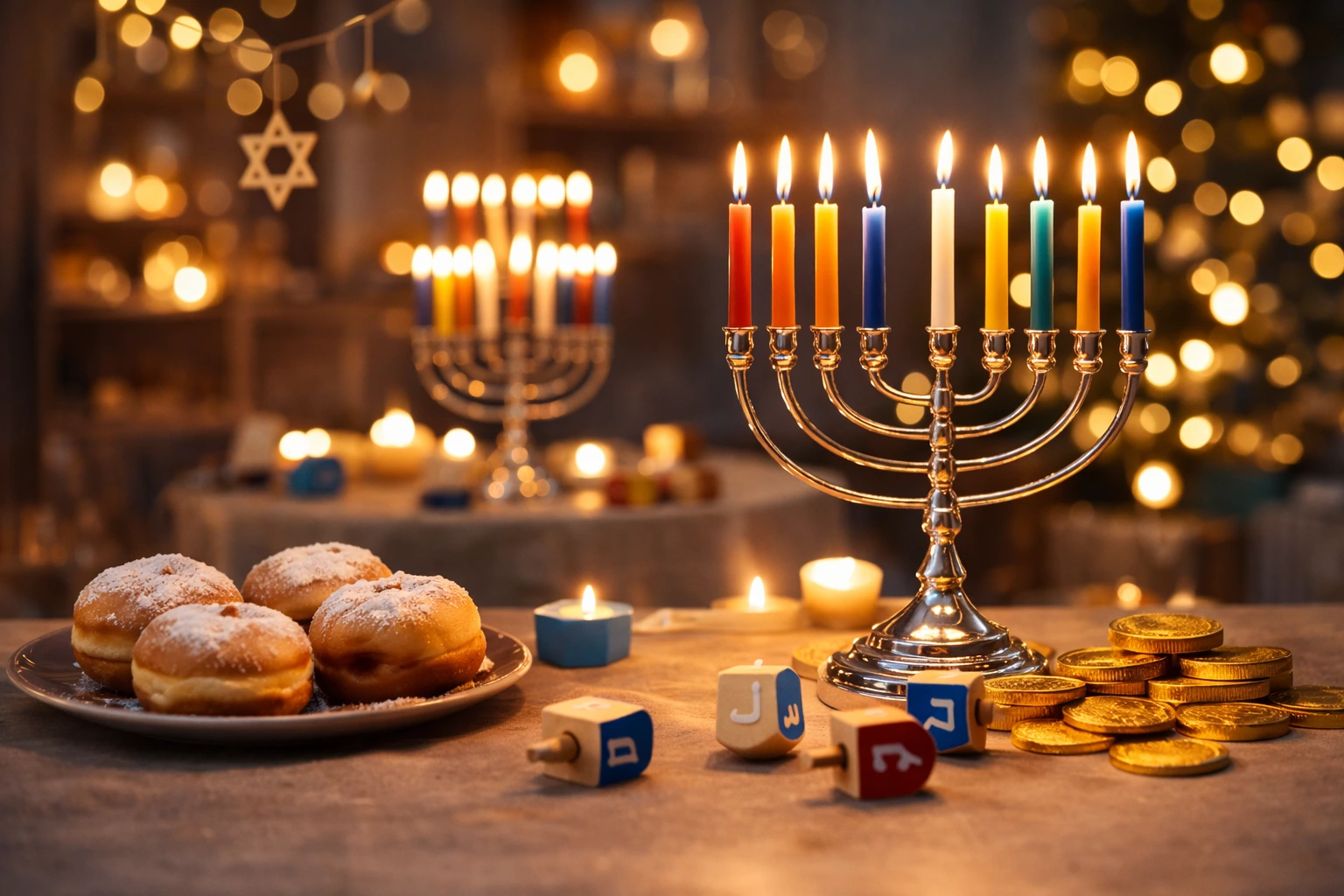
Most people know Hanukkah for candles and celebrations—but the real story is far more powerful. Discover the true history, hidden war, and lasting meaning of Hanukkah.
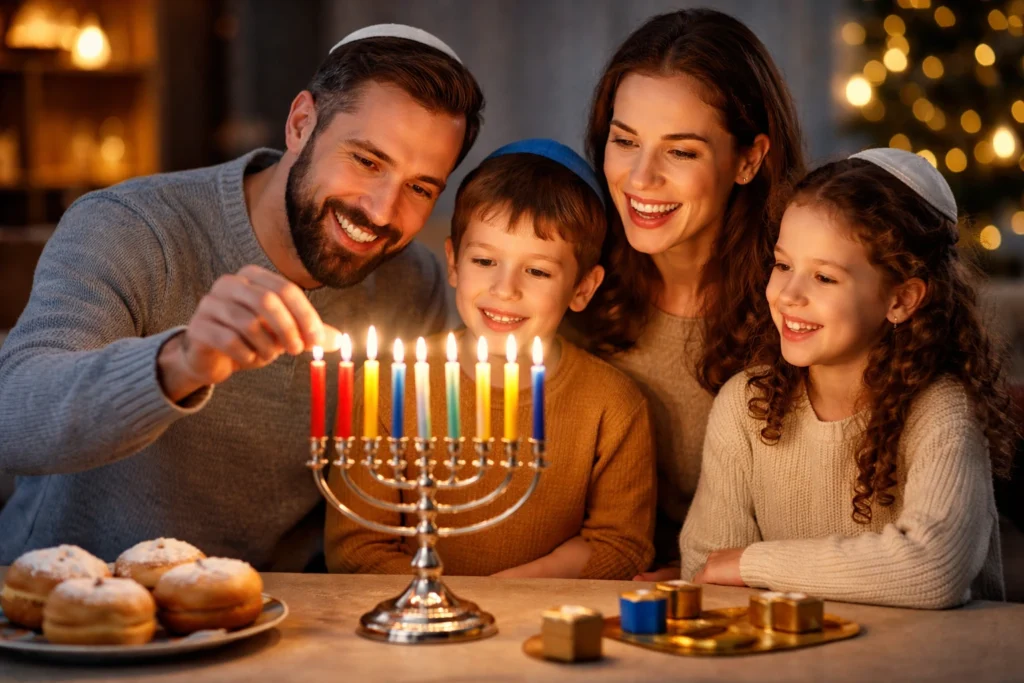
What Is the True Story of Hanukkah?
Hanukkah, often called the Festival of Lights, is one of the most widely recognized Jewish holidays. While it is frequently associated with menorahs, candles, and gifts, the true story of Hanukkah is rooted in a dramatic historical struggle for religious freedom, cultural survival, and identity.
Historical Background: Judea Under Greek Rule
The story of Hanukkah begins in the 2nd century BCE, when the land of Judea was under the control of the Seleucid Greek Empire, ruled by King Antiochus IV Epiphanes. Antiochus aggressively promoted Greek culture and religion, a process known as Hellenization.
To enforce this cultural shift, Antiochus outlawed key Jewish religious practices, including:
- Observing the Sabbath
- Studying the Torah
- Performing circumcision
He also desecrated the Second Temple in Jerusalem, placing a Greek idol there and sacrificing pigs—an act considered profoundly offensive in Judaism.
The Maccabean Revolt: A Fight for Faith
In response to these persecutions, a small group of Jewish rebels known as the Maccabees, led by Judah Maccabee, launched a revolt against the powerful Seleucid army.
Despite being vastly outnumbered and poorly equipped, the Maccabees used guerrilla warfare and deep motivation rooted in faith. Against all odds, they succeeded in reclaiming Jerusalem and regaining control of the Temple in 164 BCE.
This military victory is a central—often underemphasized—part of the true Hanukkah story.
Rededication of the Temple
After reclaiming the Temple, the Maccabees sought to purify and rededicate it for Jewish worship. The word Hanukkah itself means “dedication” in Hebrew.
According to Jewish tradition recorded in later rabbinic texts, there was only enough consecrated oil to keep the Temple’s menorah lit for one day. Miraculously, the oil lasted for eight days, giving the priests enough time to prepare new sacred oil.
This event is known as the Miracle of the Oil, and it is the reason Hanukkah is celebrated for eight nights.
History vs. Tradition: What Is the “True” Story?
Historically, the earliest accounts of Hanukkah (such as the Books of Maccabees) focus primarily on:
- The rebellion
- The military victory
- The rededication of the Temple
The miracle of the oil appears in later rabbinic writings, notably the Talmud, written centuries afterward. This has led historians to note that Hanukkah’s original emphasis was more political and nationalistic, while later tradition highlighted its spiritual and miraculous dimensions.
Both perspectives are considered essential to understanding the full meaning of Hanukkah today.
Why Hanukkah Still Matters
The true story of Hanukkah is ultimately about:
- Religious freedom
- Resistance against oppression
- Preserving cultural identity
- Hope in times of darkness
Its message continues to resonate in modern times, reminding people that even small groups can stand against powerful forces when guided by conviction and faith.
Hanukkah is far more than a holiday of candles and celebrations. Its true story is one of courage, perseverance, and the enduring human desire to live according to one’s beliefs. By remembering both the historical rebellion and the spiritual miracle, Hanukkah stands as a timeless symbol of light overcoming darkness.
Hanukkah originated in the 2nd century BCE after the Jewish Maccabees defeated the Seleucid Greek Empire and reclaimed the Second Temple in Jerusalem. The holiday commemorates the rededication of the Temple following religious persecution.
Is Hanukkah based on a historical event or a religious miracle?
Hanukkah is based on both. Historically, it marks a military victory and the restoration of Jewish worship. Religiously, it also commemorates the miracle of the oil, when a one-day supply of sacred oil is said to have burned for eight days.
Why does Hanukkah last eight days?
According to Jewish tradition recorded in the Talmud, the menorah in the Temple remained lit for eight days using a single day’s supply of consecrated oil, allowing time to prepare more.
Are there historical records of the Hanukkah story?
Yes. The Books of Maccabees provide historical accounts of the revolt and Temple rededication. The miracle of the oil appears in later rabbinic texts rather than in the earliest historical records.
Why is the Maccabean revolt important?
The Maccabean revolt represents a successful struggle for religious freedom and cultural survival. It led to a period of Jewish self-rule in Judea and remains a symbol of resistance against oppression.
Why is Hanukkah considered relevant today?
Hanukkah continues to resonate because it reflects timeless themes such as freedom of belief, perseverance in adversity, and hope during difficult times.
Is Hanukkah mentioned in the Hebrew Bible?
No. Hanukkah is not mentioned in the Hebrew Bible. Its story comes from historical texts and later rabbinic tradition, which explains its unique place among Jewish holidays.
Why is Hanukkah celebrated for eight days?
Because Jewish tradition teaches that a single day’s supply of sacred oil miraculously burned for eight days after the Temple was rededicated.
Is Hanukkah mainly about the miracle or the war?
Historically, it commemorated a military victory. Over time, religious tradition emphasized the spiritual miracle to highlight faith over force.
Why is Hanukkah considered relevant today?
Its story reflects timeless themes of religious freedom, cultural identity, and resilience against oppression.