Explore the only five U.S. Presidents with beards — Lincoln, Grant, Hayes, Garfield, and Harrison. Discover their beard history and how grooming shaped politics.
Introduction
When we think of U.S. Presidents today, clean-shaven and polished looks come to mind. But in the 19th century, beards were a symbol of strength, leadership, and power. From Abraham Lincoln’s iconic chin curtain to Benjamin Harrison’s thick beard, facial hair once ruled the White House. So, which U.S. Presidents had beards? Here’s the full list and the surprising stories behind their whiskers.
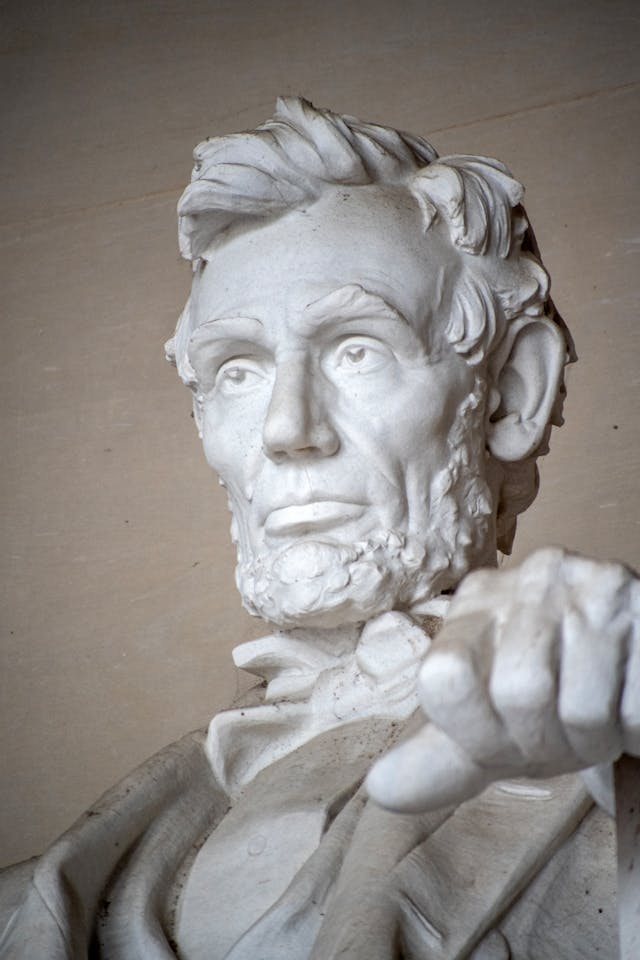
📝 Full List of U.S. Presidents With Beards
| President | Years in Office | Beard Style |
|---|---|---|
| Abraham Lincoln | 1861–1865 | Chin curtain / Full beard |
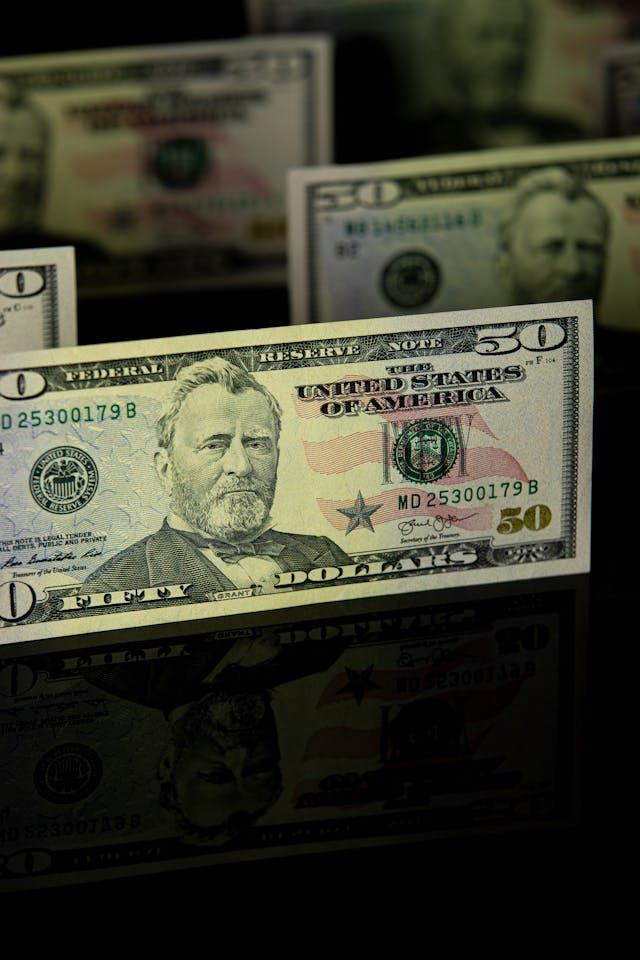
| Ulysses S. Grant | 1869–1877 | Full beard |
| Rutherford B. Hayes | 1877–1881 | Full beard |
| James A. Garfield | 1881 | Full beard |
| Benjamin Harrison | 1889–1893 | Full beard |
🧔 Beard Stories Behind Each President
1️⃣ Abraham Lincoln – The Most Iconic Presidential Beard
Lincoln didn’t always have a beard. An 11-year-old girl named Grace Bedell wrote him a letter before his campaign, suggesting he grow whiskers to win more votes. He did — and it worked! Lincoln’s beard became a symbol of his legacy.
2️⃣ Ulysses S. Grant – The Warrior Beard
A respected Civil War general, Grant’s rugged beard followed him to the White House. Soldiers admired strong facial hair, and Grant embraced that identity.
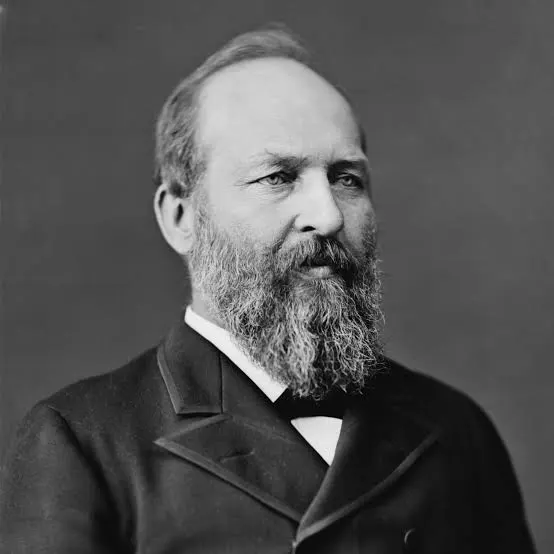
3️⃣ Rutherford B. Hayes – Strength With a Purpose
Hayes grew his beard during the war and reportedly used it to hide facial scars. His dignified beard helped shape his presidential image.
4️⃣ James A. Garfield – Scholar With Style
Known for his intellectual persona, Garfield wore a thick beard that gave him a wise, commanding look — important for his brief but noted presidency.
5️⃣ Benjamin Harrison – The Last Bearded President
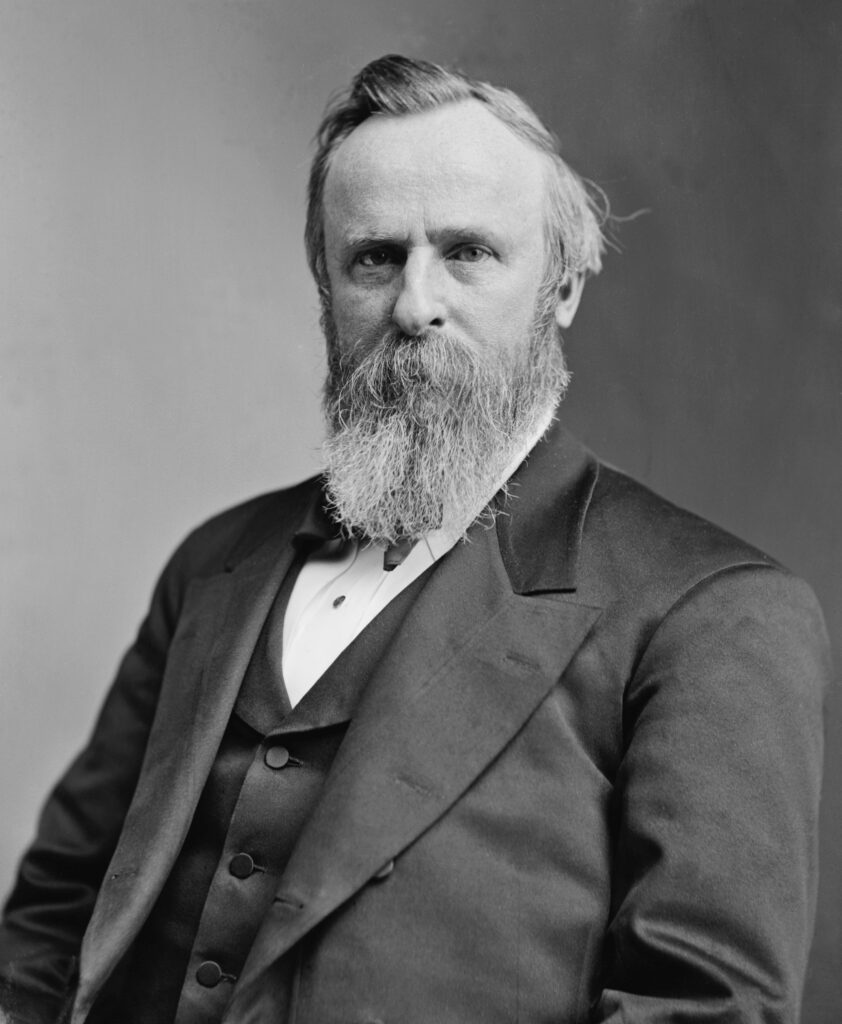
Harrison marked the end of an era. His beard helped him appear more authoritative — but after him, beards faded from political fashion.
🤔 Why Don’t Modern U.S. Presidents Have Beards?
There hasn’t been a bearded president since 1893. Here’s why:
- Shifting fashion — clean-shaven became the “modern leader” look
- Photography & television — facial hair often appears messy on camera
- Military equipment — WWI gas masks required smooth cheeks
- Political image — voters associate clean-shaven with honesty and trust
Today, you’ll see facial hair more in everyday culture — but in the White House, razors still rule.
📌 Conclusion
Only five U.S. Presidents in history have had full beards:
➡️ Lincoln, Grant, Hayes, Garfield & Harrison
Their facial hair helped define an era where beards represented bravery, masculinity, and moral authority. Though beard trends change, their legacy remains iconic in U.S. political history.
Abraham Lincoln grew his beard largely because of a letter he received from an 11-year-old girl named Grace Bedell.
Here’s the story:
- During the 1860 presidential campaign, Lincoln was clean-shaven.
- Grace Bedell from New York wrote to him and suggested he would look better with a beard.
- She said men liked beards and women liked men who had them—so he would get more votes!
- Lincoln actually replied to her letter, somewhat humorously unsure whether a beard would help.
- Soon after, he began to grow one—and by the time he was elected and traveled to Washington, D.C., he had his now-iconic full beard.
- On that train journey, he even stopped to meet Grace and showed her he took her advice.
Why did the beard help his image?
- It softened his very thin face and prominent features.
- It made him appear warmer and more statesmanlike.
- It gave him a unique, memorable look during a time when photography was becoming popular.
So, the famous Lincoln beard wasn’t just a style choice—it was a mix of political image improvement and a young girl’s suggestion that changed history!
Leave a Reply